Aging Well: The marvel of mindfulness
I am a real believer in the benefits of mindfulness and also meditation — especially for all of us over 70.
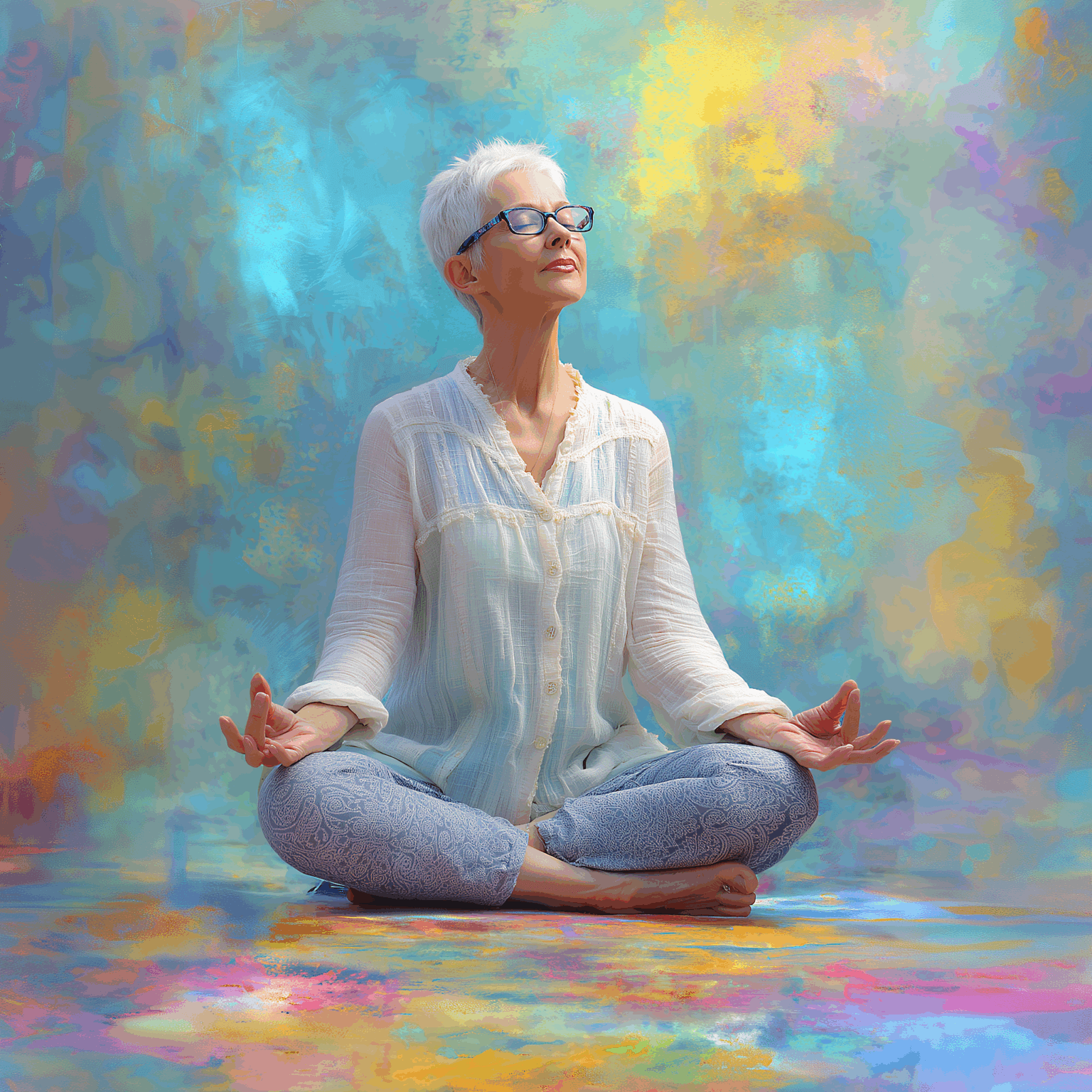
Some of you, dear readers, may be thinking, “Oh, no, Katharine. You wouldn’t fall for New Age fads and meditation, would you? You seem too grounded.”
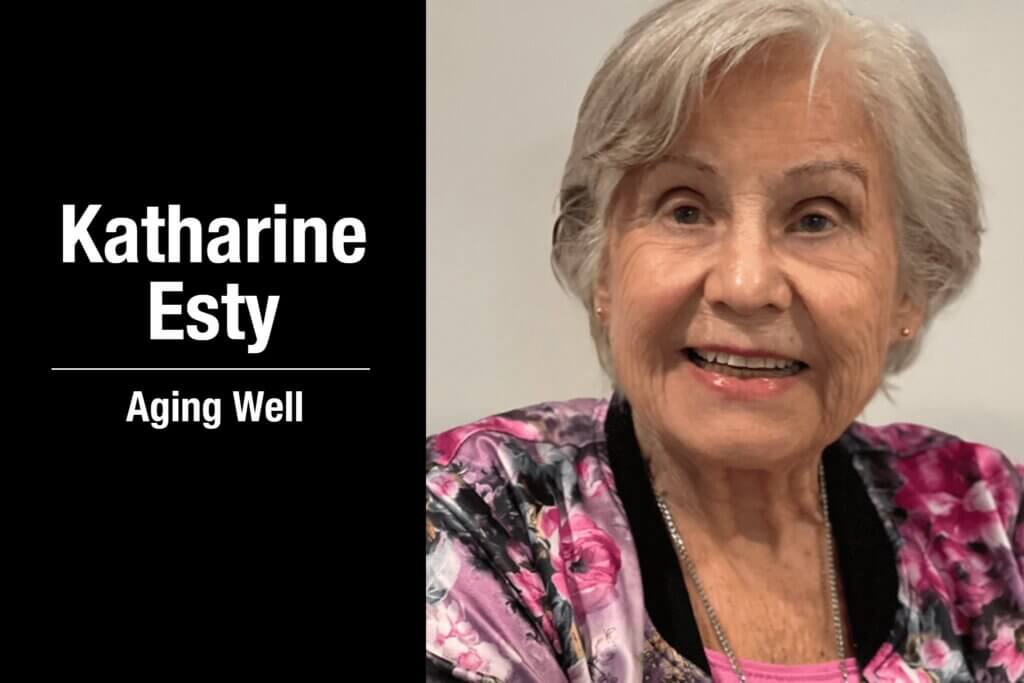
I’d say to you, “I am a real believer in the benefits of mindfulness and also meditation — especially for all of us in the over-70 generations — and this column will explain how it happened for me.”
As the first step in our exploration of mindfulness and meditation, please answer the following two questions below.
When you are walking or driving somewhere, do you often find yourself not paying attention to what you are seeing and experiencing along the way?
Do you often work on routine tasks and become quite unaware of what you are doing?
If you answered “yes” to one or both of the questions, that mindless state is what I call being on autopilot. If you want to learn more about present-moment awareness and how mindfulness has changed my life and the lives of tens of millions of Americans, read on.
What exactly is mindfulness?
Mindfulness is bringing attention to the experience of the present moment without judgment. It is being aware of your feelings, thoughts, and bodily sensations. It is noticing what’s new and different in this moment from other moments. Being mindful is being flexible, not limited by preconceived notions of what is possible.
My first encounter with the concept was in Ellen Langer’s book “Mindfulness,” which I read around 1990. Langer’s research showed how much of what we call aging is actually mindlessness, or not paying attention. Older people often believe that any problem they have, such as depression or fatigue, is normal because they’re aging. Furthermore, they tend to accept that nothing much can be done to help them.
In contrast, when people become more aware of their present-moment experiences, they become more alert and see options. They become healthier and happier. Langer’s pioneering research and ideas set me on a lifelong journey to become more mindful.
Next stop: yoga
I began practicing yoga from a book and was astonished to find that I could stand on my head. When I did, I felt calmer. I now had a tool to manage my unpredictable bouts of anxiety. After I aged out of being able to do headstands, a yoga class helped raise my relaxation levels for decades.
Meditation came next. I kept hearing about the wonders of meditation from people I admired, and seeing positive changes in them and others after they began practicing. I had made several attempts to meditate, but I just couldn’t sustain it. It felt too hard. Then around 2005, a friend suggested I take the Mindfulness-Based Stress Reduction (MBSR) course offered at the University of Massachusetts Medical School. This eight-session course developed by Jon Kabat-Zinn, a meditation guru, had been attended by thousands of people and carefully researched since 1979.
The benefits of the MBSR course and ongoing meditation, according to their research, were dramatic. People who faithfully meditated for at least 20 minutes a day over six or more months experienced less stress, reduced blood pressure, improvements in their heart disease, less anxiety, increased self-esteem, improved relationships, more equanimity, reduced pain, improved concentration, better overall health, and a sense of well-being.
I was amazed by these findings. Who doesn’t want more of all these things? I wondered if this could possibly be true.
Heart, mind, body
I decided to try meditation once again and signed up for the MBSR course. Interestingly, some of my fellow students had chronic pain and had been sent to the course by their doctors. Many had mental health issues, and many were healers by profession. At the first class, the teacher announced that our homework was to meditate for 40 minutes a day, five days a week, for the eight weeks of the course. Groans all around the room. I am a disciplined person, but I knew that 40 minutes would be a huge challenge for me. Our teacher gave us each a CD of guided meditation to use.
‘Get serious’
Two people in our class beseeched us, “Get serious or you will regret it.” They explained they, sadly, had to repeat this expensive and difficult course. They had not done the homework, and now they were in the course for the second time. They impressed me so much that I stuck with the regime. And wonder of wonders, when the course was over, I found meditating for 20 minutes was now possible, if still not easy for me.
The impact on my life has been huge. My high blood pressure — I was on medicine to control it — dropped significantly. My doctor couldn’t believe the change. She checked my blood pressure three times in her office. She was even more surprised that my lower level endured.
Other important changes I experienced are less anxiety, more energy, and needing less sleep. And almost everyone in the class reported some improvement, including those with chronic pain.
Of course, I can make no guarantees about changes you will experience, but the research shows that meditating faithfully over time is a very good bet for positive results.
A potent change agent
Over recent decades, researchers have studied the impact of meditation on older adults and again found that we get significant benefits from meditating. Older adults showed a 50% reduction in anxiety and depressive symptoms and experienced less fatigue, less confusion, more vigor/activity, and greater cognitive flexibility.
Now, years after that MBSR course, I am still meditating. After the course concluded, I began using a user-friendly app called Headspace and have done so for about five years. I have attended a 15-minute online Buddhist meditation every weekday morning. I usually add another five to 15 minutes of meditation. But just now, as I write this column, I realize I am skipping the added minutes more and more often. So today, back to the full 20 minutes.
I will end with a loving-kindness meditation from the Buddhist tradition. I often use it to calm myself when I am anxious or to help me get back to sleep. I hope you find it useful.
May I be filled with loving kindness;
May I be healthy in mind and body;
May I be safe and protected from all harm;
May I be happy, truly happy;
May I live within my body at ease, at peace, and at home.