Can you trust what you see? My free Zoom series will target online fakery
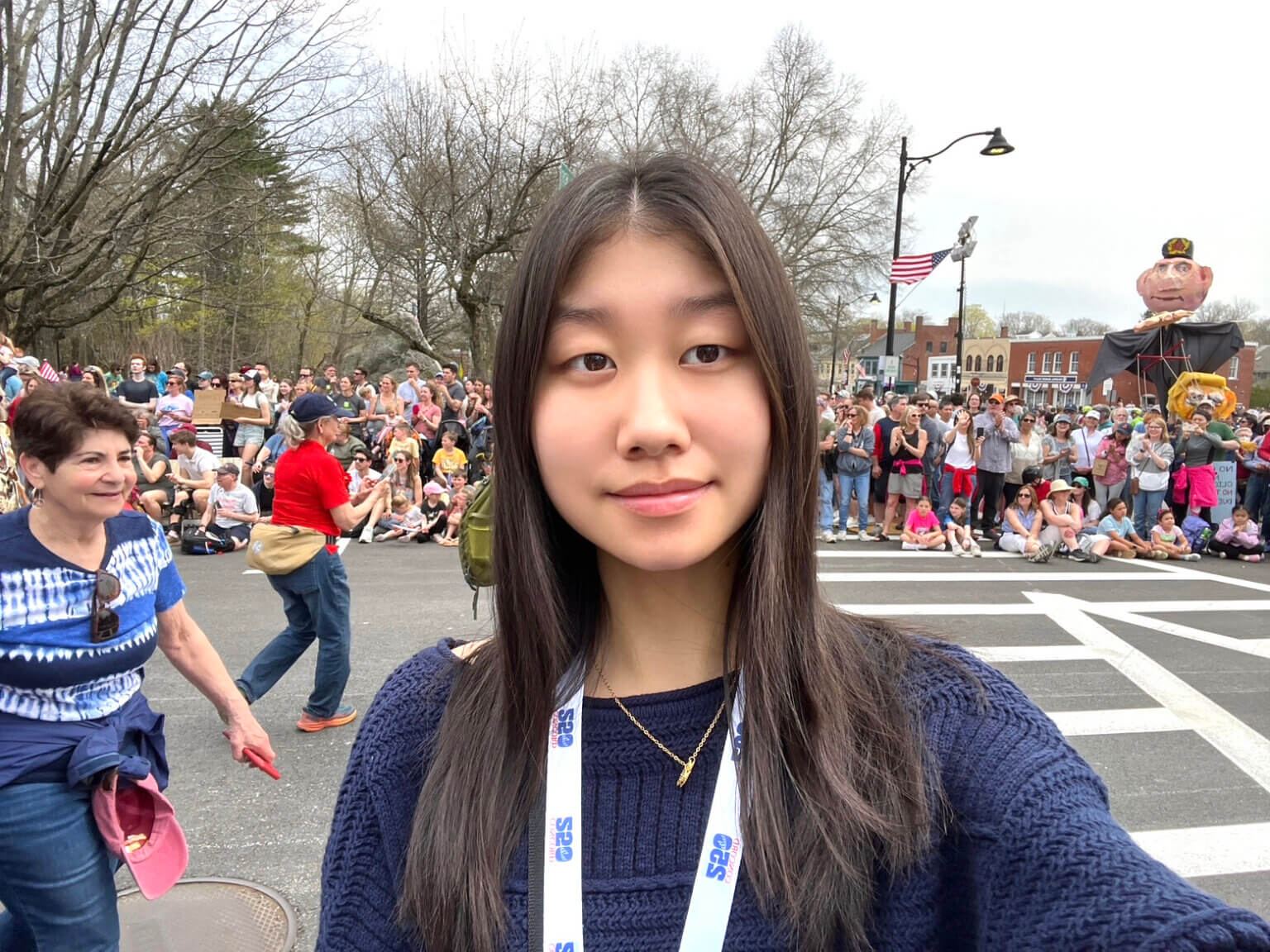
Sarafina Zhang will host Media Smart, a workshop series for Acton-Carlisle students in grades 5-12, beginning August 2.
Ever watched a TikTok video and later learned it was fake? You’re not alone.
The deluge of dubious — and sometimes deliberately deceptive — online content inspired me to create Media Smart, a free summer workshop series for Acton-Carlisle students in grades 5-12. Through four Zoom sessions on Saturday evenings in August, we will address a crucial question: Can you trust what you see?
The workshops will discuss practical skills like spotting fake information, understanding how algorithms shape our feeds, recognizing bias in news, and even how AI and deepfakes can distort reality. We’ll also talk about how these topics connect to our own community and how the media shapes the way we view each other. My hope is to make media literacy feel fun, empowering, and relevant.
I’m excited to invite Acton-Carlisle families to spread the word and encourage your kids to sign up for the workshop. I also hope this starts conversations at home about what young people see online.
Last summer, I began exploring media literacy through a course at UC Berkeley, where I learned about social media marketing, algorithms, platform responsibility, and trends. I created a presentation on clickbait, which my professor plans to use in future lessons.
Recently, I participated in the USC media literacy course, which covered topics including misinformation, design elements, image manipulation, and amplified (or silenced) voices in the media. For that I created a podcast about the potential TikTok ban.
Studies from the Pew Research Center show people trust local news more than national media. Yet many teens get their news from social media and rarely engage with local reporting or recognize its importance. Part of being media literate is learning not just how to avoid misinformation, but also how to value credible, community-based sources.
Media literacy isn’t just for journalists or fact-checkers; in an age when nearly all young people use social media, it’s an essential skill for them to become smarter, more thoughtful digital citizens.
With the right tools, I believe this generation can navigate the fast-changing media landscape with confidence and stay better connected to their communities along the way.
Sign up at forms.gle/Fy7Mn68iHJVAh1ft5 or email [email protected].