Coping with heartbreaking grief
“When a community experiences a tragedy, as we in Acton have with the loss of three young people, it is a profound event.”

When a community experiences a tragedy, as we in Acton have last week with the loss of three young people, it is a profound event. It is heartbreaking when any young person dies, and to lose three young people in an accident is almost unbearable.
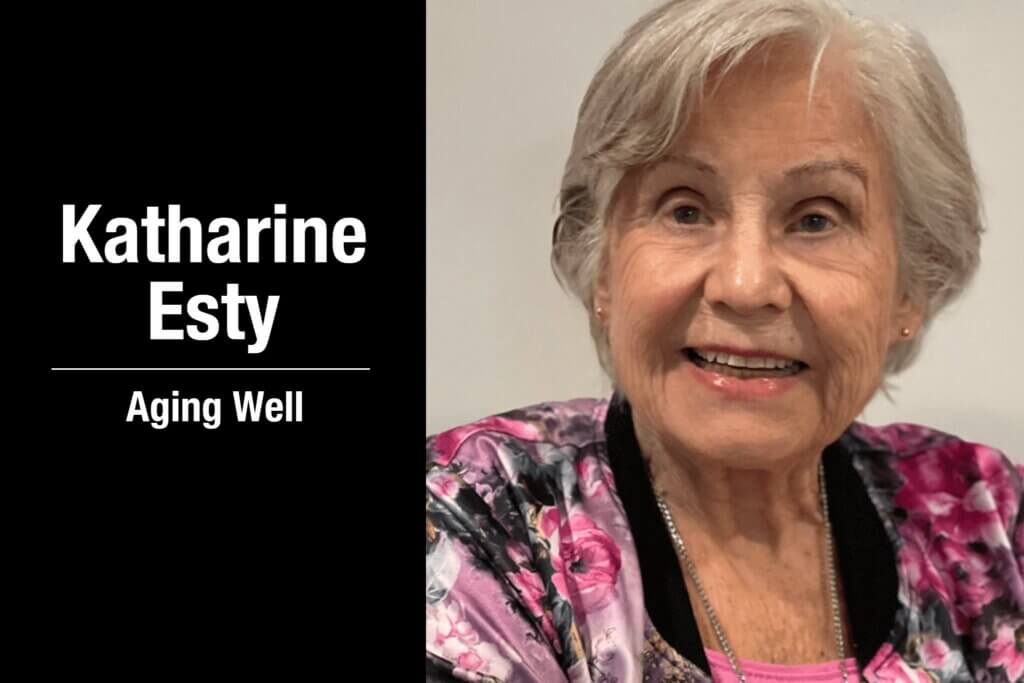
We all ask questions: “Why did this happen?” “Why not me, who is 90, rather than these young people just starting out?” And I felt, “This is so unfair.” We are all affected — even if we didn’t know any of the young people personally.
Acton came together as a community on Patriots Day in joyful celebration of our town’s historic role 250 years ago in the American Revolution.
Now, we need to come together as a community to mourn the lives of the young people we have lost. There will be funerals and memorial services, and our churches and schools will work to create spaces for healing, allowing us to honor and remember those who have passed. During this difficult time, let us support one another.
Each of us here in Acton has to find our own way to mourn this tragic event. I hope that you, dear readers, will find helpful reflections in this essay as you grapple with what has happened.
Four steps of grieving
I believe there is no right or wrong way to grieve. There is no order for these steps. We each need to find a pathway that meets our own needs.
1. Acknowledge
A crucial step when we experience a major loss is to acknowledge it has happened. Sometimes we want to deny our losses. Sometimes we are overcome by our emotions and our sadness. We may say to ourselves, “I shouldn’t fuss, because so many people have it so much worse.” But all of us are touched, and we need to take ourselves seriously.
2. Take time alone
Allow yourself some time to be with yourself and the loss. Just pause, letting yourself feel what you are feeling. This is something we rarely let ourselves do. You can say to yourself, “For just 10 minutes, I will let myself feel my sadness about this.” You don’t have to weep and cry, although you may. For many of us, the tears don’t flow. Then you can ask yourself, “What else do I feel?” You may feel numb, worried, depressed, angry, relieved, anxious, or frustrated. You may need some time alone in a quiet space. As Concordians, many of us find our peace and healing in nature. You may find walking in the woods to be healing and helpful in times of loss.

3. Mourn
Another step on the pathway of grief is to mourn the losses with others. This is where being in community is part of our healing. We may gather together for services of all kinds, rituals and vigils — hearing words that have been used for hundreds of years to mourn the death of loved ones, lighting candles in church, listening to beautiful music. And we gather in our homes with friends and family to help each other at this time of devastating sorrow. We tell stories about the person or people who have passed and are able to laugh and be grateful for the time we have had with them. Their lives had meaning.
4. Translate grief into action
We also must find meaning in the loss. This seems impossible when we are talking about young people. But I have found that loss and grief are good teachers. They teach us what it is we love and what we value. What is it that we want more of in our own lives? What do we want to bring more of into the world? What will we do in the memory of those who died? By committing to some actions in the future, it can be our way of keeping their memories alive.
The ability to grieve is essential for all of us. We can not ignore our losses as individuals and as communities. Grieving is an ability we need not only for this time of mourning, but for our whole lives. And, as someone who is now 90, I have learned that to age well, and to retain our capacity for happiness and joy, it is absolutely necessary to learn how to grieve the inevitable losses that come our way.