Letter from Nanae: A world away from Acton
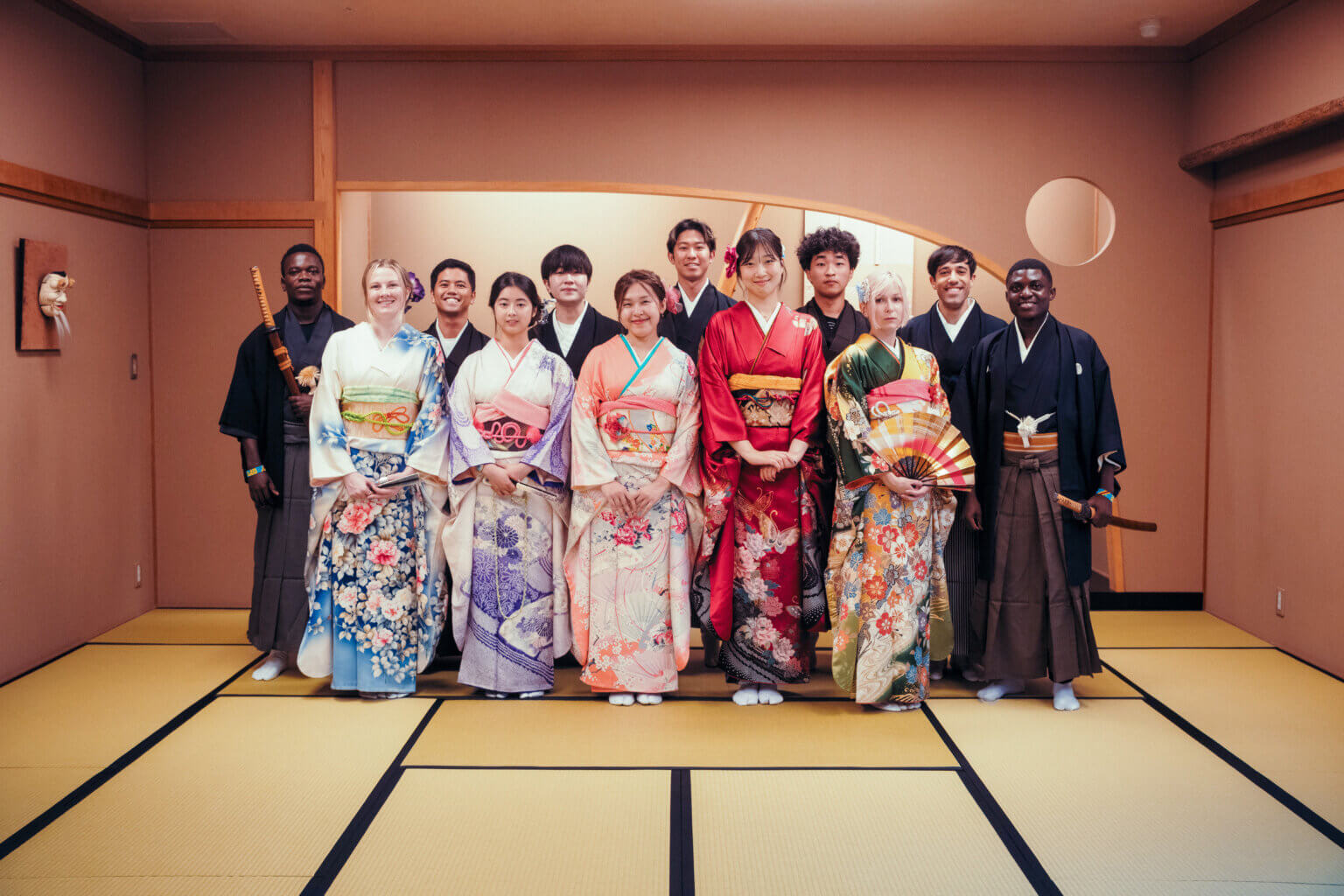
Emily Aldous is the Acton Nanae Network’s newest coordinator of international relations.
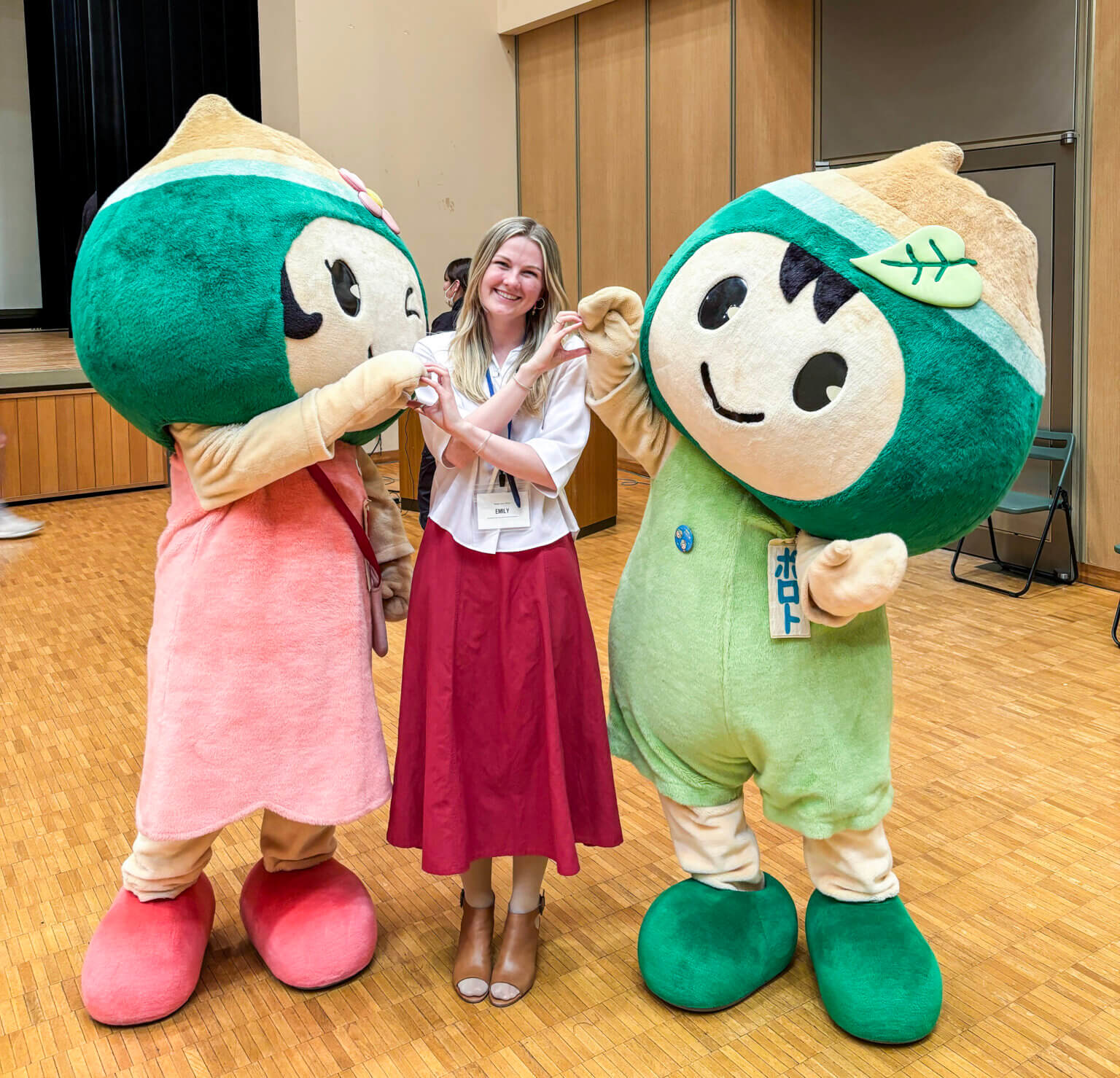
When I moved to Nanae, I never expected that — less than three weeks into living in a country with one of the world’s most vibrant food cultures — I would find myself sitting silently in a McDonald’s eating a 15-piece McNugget and large fries.
I’d never been a fan of McDonald’s; there was a time I refused to eat it. But it’s funny how moving to a foreign country can make you seek the familiar in the strangest places.
On the day I found myself munching on McNuggets, what I really craved was the comfort of American culture. Specifically, I missed living in an environment where I easily understood unspoken social norms and expectations. I also missed eating fries from Woods Hill Table.
I feel truly blessed to be living and working in Nanae, but that’s not to say there haven’t been many challenging days in my first few months here. Before moving, I told friends and family that I was prepared for the difficult language acquisition process and the culture shock. As one might expect, my reality has been very different from the hypothetical.
The unfamiliar commonplace
My first major challenge upon arriving in Japan was re-establishing my independence. Many of us take quotidian tasks for granted. I know I did — that is, before my complacency was disrupted.
For example, it took me three weeks to become comfortable driving on my own in Japan, as cars drive on the left side of the road. Additionally, my inability to read kanji (Chinese characters used in Japanese writing) made navigating grocery stores a time-consuming affair, as I relied on Google Translate to understand ingredient labels.
That’s not to mention the exciting, yet at times stressful, task of furnishing my apartment.
I found myself feeling cranky or irritable during phone calls from family. I wondered, “How do I explain that I am so happy to be here, but I am also mentally exhausted?”
Over time, I realized I was experiencing decision fatigue. Just last year, my sister-in-law and my brother had a major case of it while planning their wedding. The unique part of decision fatigue when you move abroad is how often it goes unnoticed — at first.
When you move abroad, you willingly strip away the familiar, causing even simple tasks to take more energy. Often the “easy” tasks are the most draining, especially with a language barrier. We’re used to being competent at simple things, so we don’t notice how much energy it takes when they stop being simple.
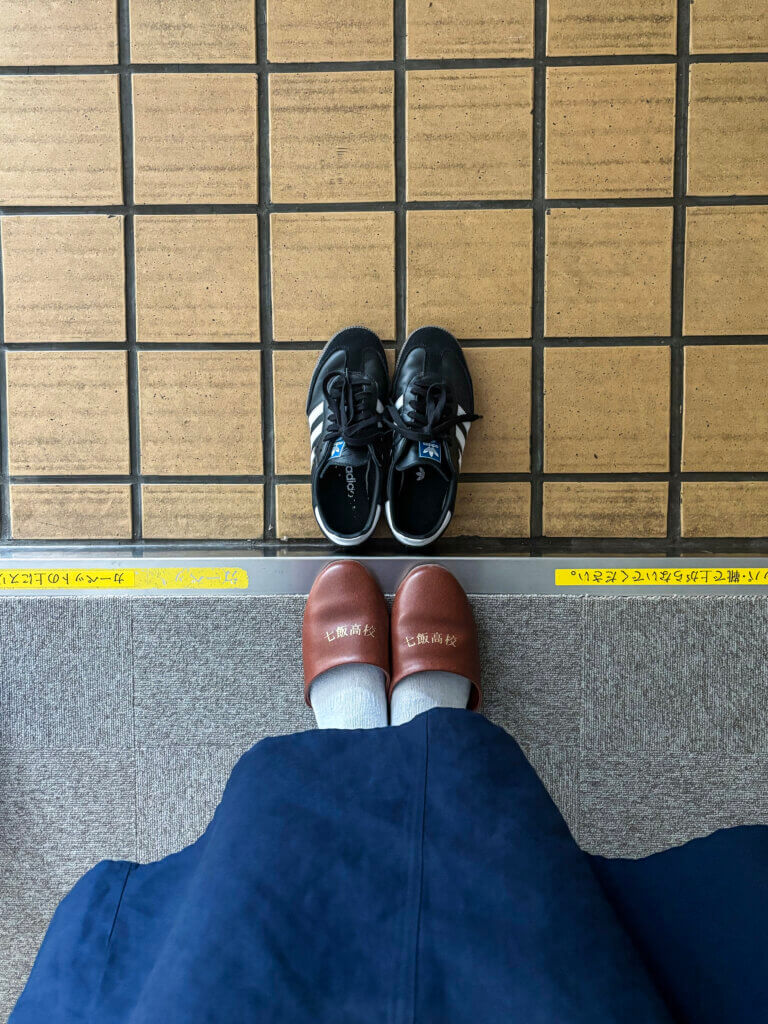
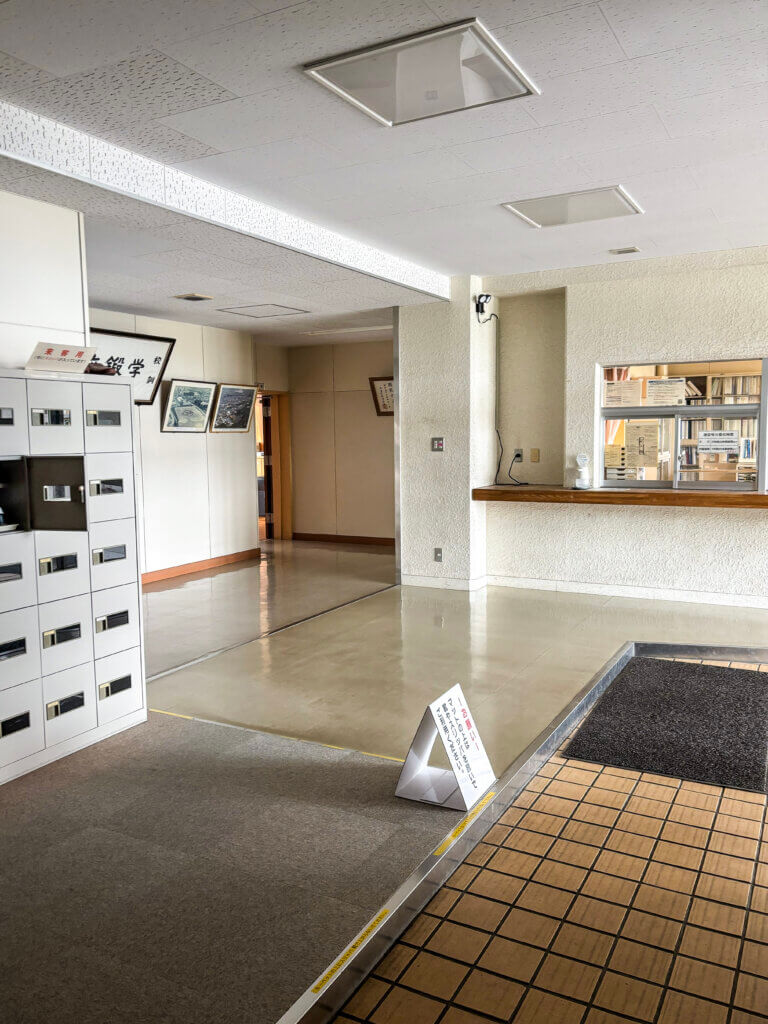
The genkan at Nanae High School is where students and visitors swap outdoor shoes for slippers or indoor shoes before entering. Photos by Emily Aldous
Crossing the genkan
What led me to order McNuggets and fries was a day of cultural misstep after misstep. It started small: I showed up for work five minutes late. In Japan, punctuality is very important. Then, at the konbini (convenience store), I misunderstood a co-worker’s instructions and ended up keeping our boss waiting. It’s never a good feeling to know you irritated your boss.
But the real cherry on top came at the gym, where I’d gone to sign up for a membership. I was so focused on typing my questions into Google Translate that I accidentally stepped over the genkan — wearing shoes.
In Japanese homes — and the gym — the genkan is an entryway where you’re expected to take off your shoes. Usually, the genkans are built lower than the indoor area of the building. Unfortunately, the difference between the genkan and indoor area at the gym was not a level change but a paint color difference. While it may have been an innocent mistake, the horror on the gym receptionist’s face as he reminded me about the genkan was plain — I had committed a major faux pas.
Local news matters. Click here to support our mission.
Some days, living in Japan reminds me of the iconic scene in my favorite movie, “Legally Blonde,” where Elle Woods shows up to what she thinks is a costume party to discover she’s the only person wearing bunny ears and a tail. Except in my case, nobody purposefully tricks me. My metaphorical bunny costume is composed of the cultural values and social norms I brought along from Acton.
Some things I can’t fully change. I’ll always wear my heart on my sleeve. Here, where so much is communicated by what you don’t say or show, my personality can come off as too much. But my goal isn’t to lose myself while trying to fit in. Instead, I’m learning in what situations I need a better poker face and when it’s OK to be who I am.
Easing in
Three months in, something had started to shift. I no longer worried about going to the supermarket, because I could understand the cashiers’ questions. Despite my disastrous first experience at the gym, I made friends with employees and other members. Even using Google Translate became second nature. I’d established a new routine, but I hadn’t realized how much I had learned.
Then my boyfriend, Aidan, came to visit from D.C. For 10 days, I was his cultural guide in Nanae. I would remind him every morning that the passenger door was on the other side of the car when he instinctively walked to the right-hand side. I taught him how to unwrap an onigiri, onsen etiquette, and which snacks were worth grabbing at 7-Eleven. I even drilled Japanese introductions into him before he met my co-workers. Every day, I got to share small nuggets of wisdom I had collected.
I see every day as a small way to make a little progress, and who knows how far along I’ll be in two years? I might not get it right most days, but I’ve stopped taking it to heart every time I do something wrong.
Before moving from Acton, I read countless warnings never to step past the genkan in your shoes. But in the end, the only way for me to get that deep, instinctive sense for that crucial rule was to get it wrong — in Japan. Sometimes the way you learn never to step over the genkan is by first stepping over it.
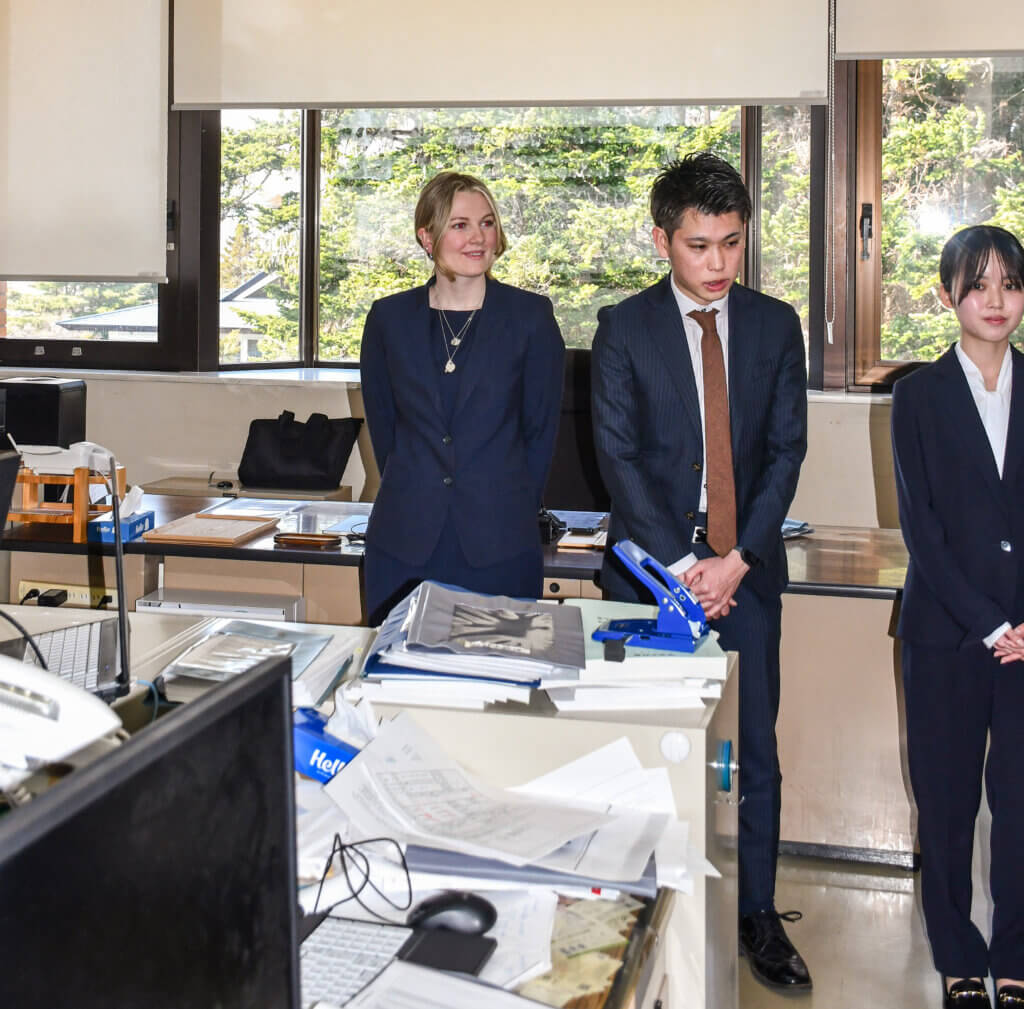
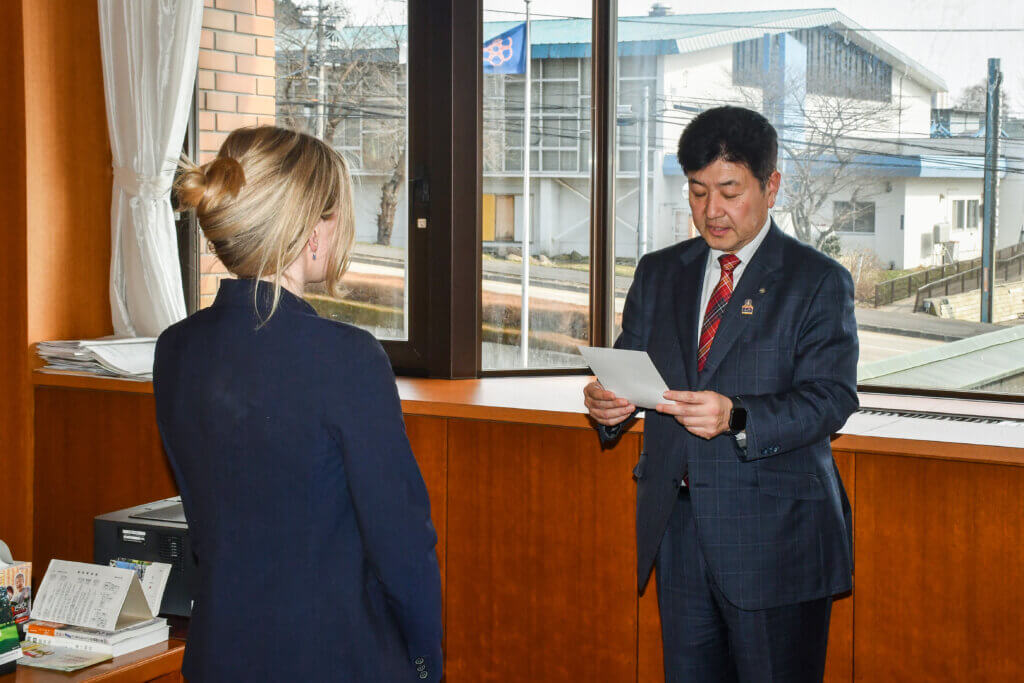
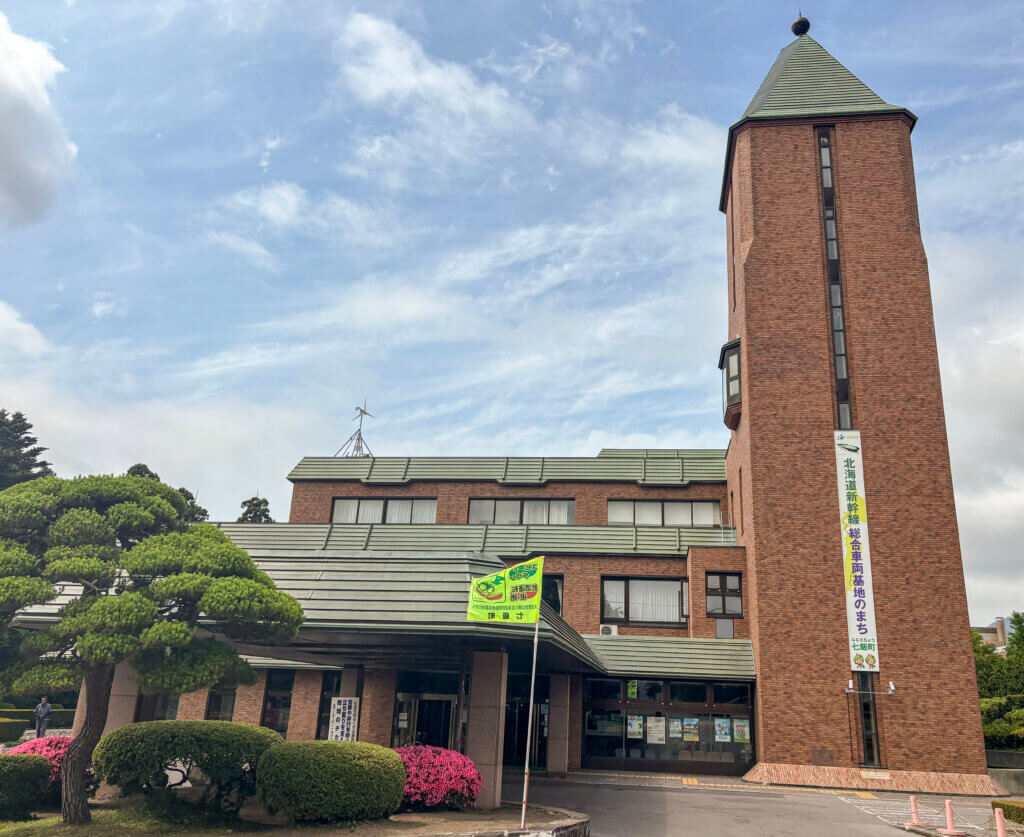
Emily Aldous became the 14th coordinator of international relations in Nanae, Acton’s sister city in Japan, on April 1. Prior to that, she attended Dartmouth College, where she studied biology and sociology. After graduating, she worked part time in the Lexington school district.
Opinions are the author’s.