Letter from Nanae: On marathon day, a sense of homecoming
Columnist Jack Brox McCarthy recounts the Hakodate marathon as a celebration of place and of people.
“What I Talk About When I Talk About Running” is a 2007 memoir by the famous Japanese novelist Haruki Murakami about his personal journey as a distance runner. My mother gave me a copy when I declared my determination to run in the Hakodate Marathon.
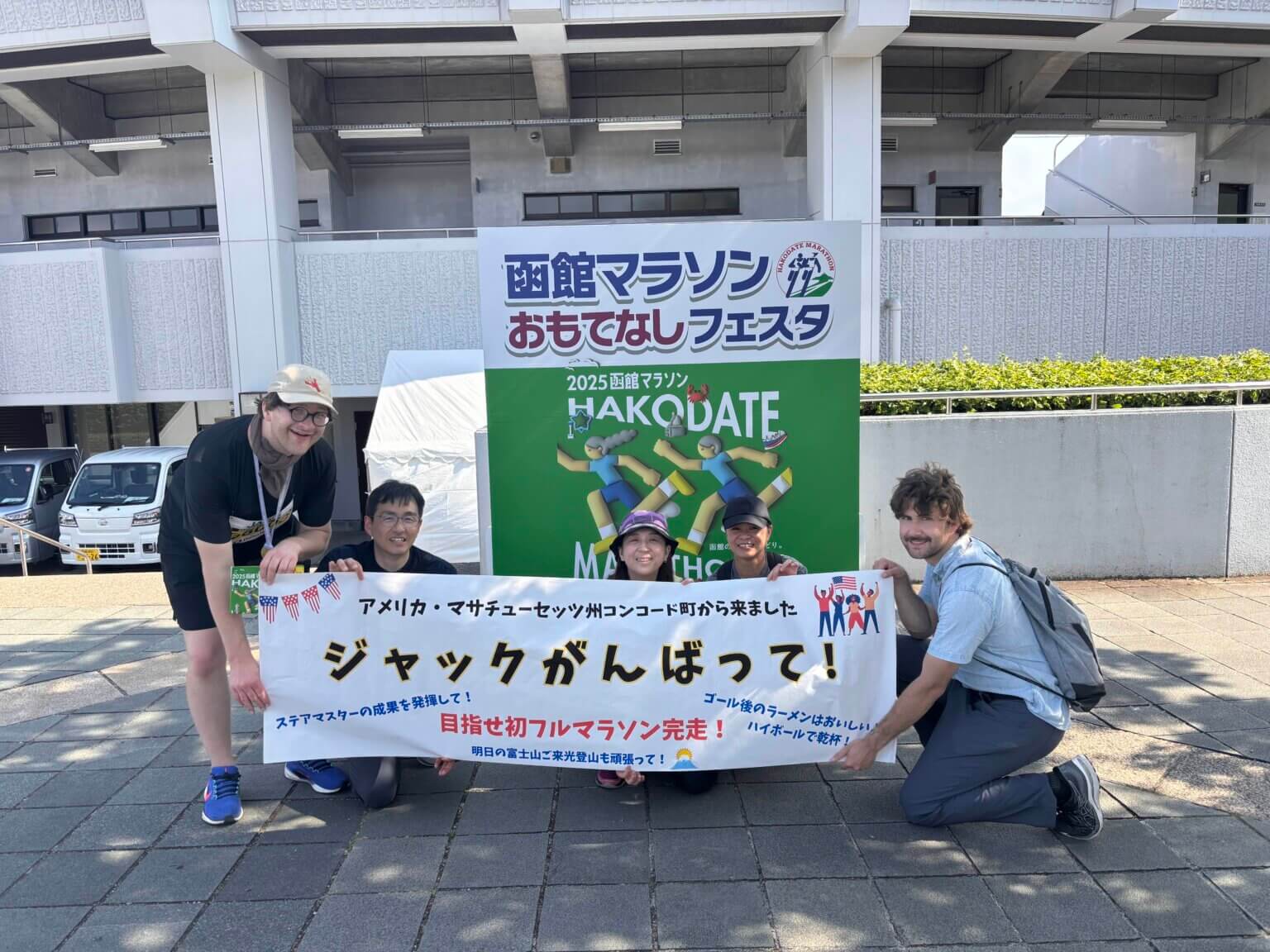
Hakodate is the nearest major city to Acton’s sister city of Nanae, and its marathon is known as being one of the most difficult in Japan (something I didn’t know at the time).
When I made my declaration, I’d hardly ever done more running than a few laps around CCHS during my years as a benchwarmer on the school fencing team. Chances of success were low. By the time I started making headway into Murakami’s book, I was training for a 28K road race — the first step on my marathon journey.
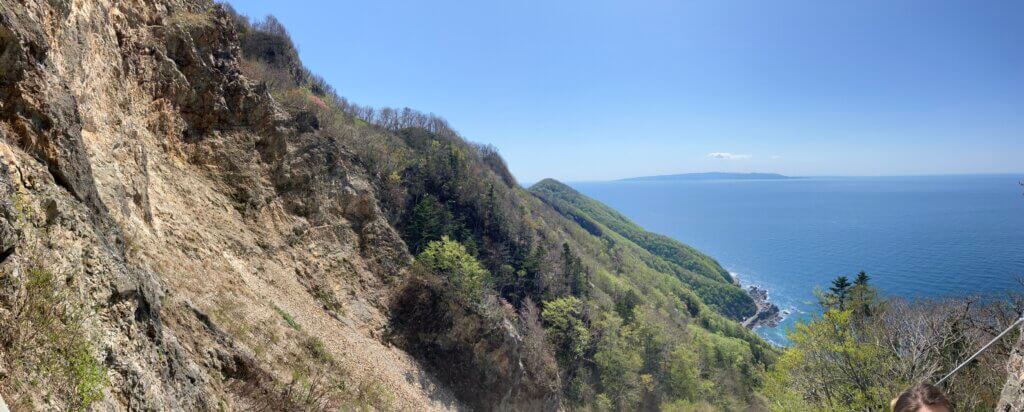
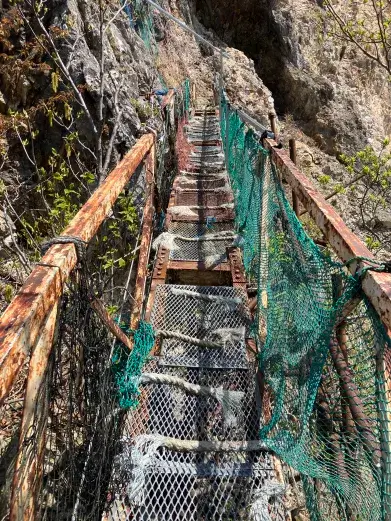
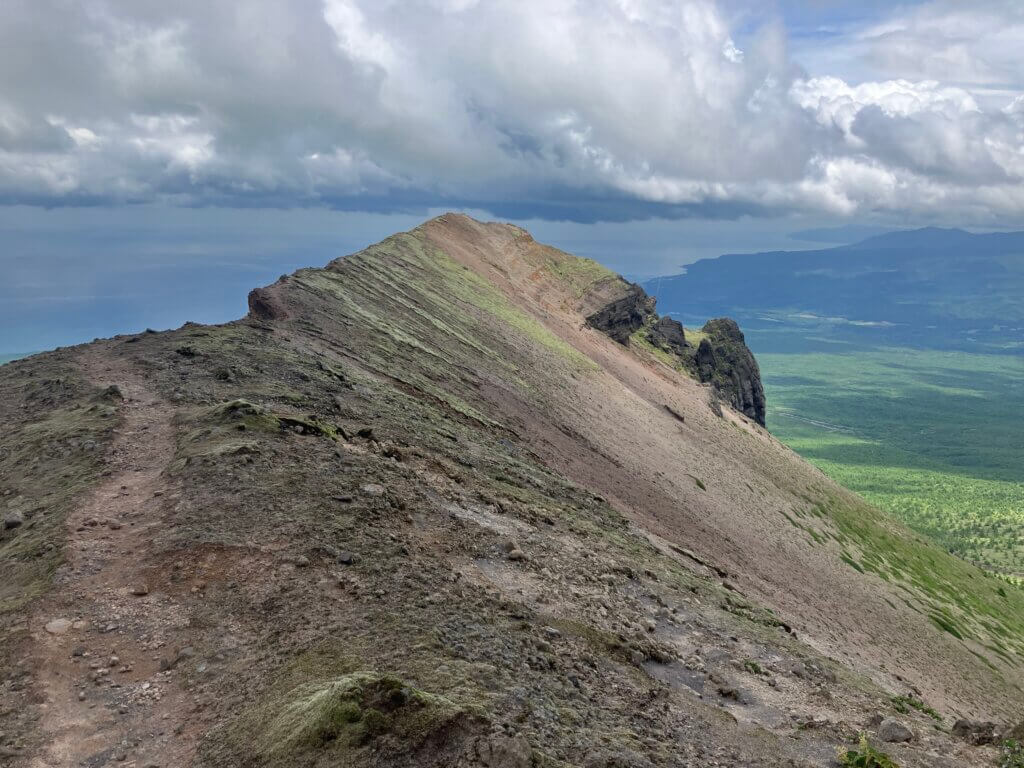
My push to get into marathon shape came with a general renewed interest in outdoorsmanship. The volcano overlooking Onuma has been the site of endless summer hikes, and this past spring I made the perilous trek to nearby Ota-jinja (known as “the most dangerous shrine in Japan”) with a friend from Acton. And I did Mount Yotei (called Hokkaido’s Fuji) with some Japanese friends this summer.
No meandering switchbacks on Hokkaido’s mountains — just one path straight up. But the tops of these volcanoes are lunar landscapes, barren and alien. There’s beauty there, I suppose.
And the landscapes are so different from the ones we have in Massachusetts. The Appalachians are splendid, but ancient and stoop-shouldered. In Japan, the land is young; the mountains still capture a real geological dynamism. Countless tall, sheer peaks give stunning vistas of open ocean and more spiky mountains beyond.
Something missing
I’ve grown to adore hiking these wild mountains since moving to Japan. However, especially when alone, there is something missing — something it took me until race day to really understand.
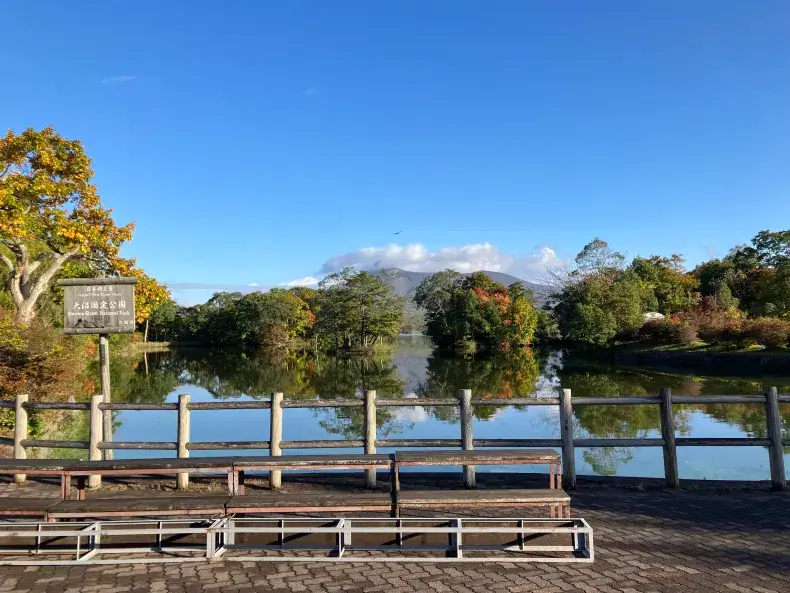
That first race I mentioned was the Onuma Great Run. Nanae encompasses the Onuma Quasinational Park, a beautiful lake filled with over a hundred small islands, all formed by rubble jettisoned from a nearby volcano and dropped in the lake some 400 years ago.
It’s a gorgeous run with all the fall colors. However, as I labored through my practice laps around the lake (ever on the lookout for bears), I had a hard time appreciating that beauty.
For me, running has always been an embarrassment. I sweat rivers and do more than my fair share of huffing and puffing. I suppose I know why I never ran into any Hokkaido bears: During the pandemic, I used to run near the Wayside House and Lexington Road in Acton, and I was always worried about frightening the dog walkers with my frantic gasps.
But the race day was still a kind of magical experience. It was a celebration of place and of people. Business owners stood outside woodland cafes and quiet farms to cheer on the runners as they passed; participants carried home gift baskets of Nanae goods (apples, milk, red bean-paste buns).
I suppose to any serious runner, the scene I’m describing is familiar. Many local races and marathons feature a kind of festival atmosphere. But as an outsider trying to make a home here, the Onuma race graced me with a real sense of inclusion in the community. Many of the business owners we ran past, I knew personally. Some were my students, and they cheered me on by name as I went by.
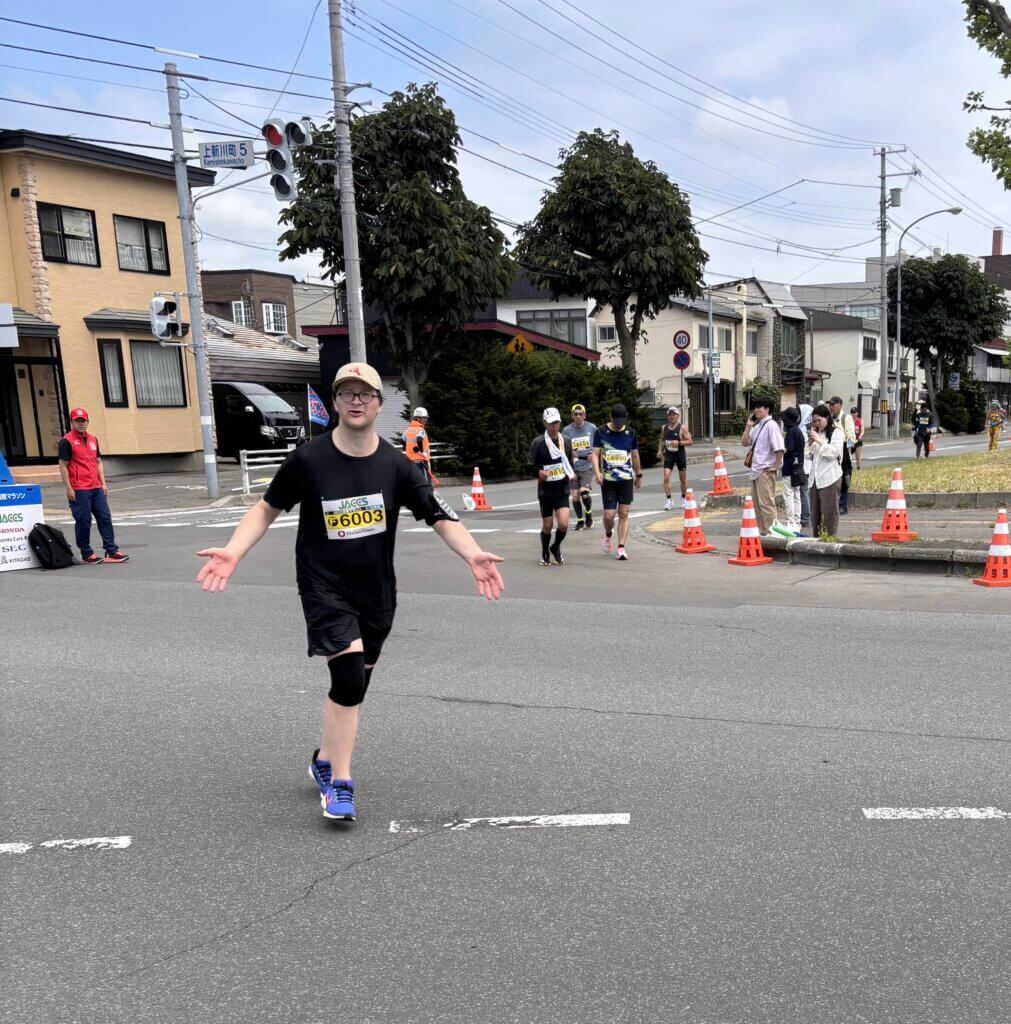
After a year of hiking, running, and working out on the gym’s StairMaster, the day of the Hakodate Marathon arrived.
The first real leg takes you out behind the airport, towards the course’s hilliest — and most desolate — section. Onlookers rarely wander out that far, and the city turns into more of a fishing village. Cresting one hill, I saw the ocean of fleeter runners stretching out ahead of me and my heart sank.
Then, my sweat-logged headphones died and the music cut out (with 80% of the marathon left to go).
‘It’s pretty tough’
At this lowest of lows, a fellow student from Japanese class pulled up alongside and said, “Wow! Jack, you’re running the Hakodate marathon? Are you sure you’ll be OK? It’s pretty tough.”
Thanks for the encouragement, buddy.
But when you double back out of the boondocks, you hit Hakodate’s main street, where it seems the whole city is out to cheer you on. Taiko performances, students chanting, yosakoi performances, music blasting from speakers. Retirement homes sit empty as their residents hand out electrolytes to runners; kindergarteners line up to high-five the passing athletes.
Full disclosure: I’ve never liked running — not in the Alcott Turkey Trot at age 10, and not now, at 27.
In his book, Murakami writes about chasing the “runner’s void” — the bliss that bubbles up when you run long distances. But for me, the feeling of being part of a community looms largest when I think about the marathon or the Great Run. That’s something anybody who has done a major race can talk about. But to someone who has had to travel so far and make a second home, it holds a special meaning.
As I heard the cheers of the crowd lining the streets where I’ve spent the past three years, for a couple of hours, anyway, I learned to love running.
Jack Brox McCarthy has been living in Nanae, Acton’s sister city in Japan, as a teacher, cultural liaison, and town office worker.