Reviews & Views: A bumper crop of Earth Month reads
Of course April is Earth Month, so it seems appropriate to read about this glorious season.
Every spring is the only spring, a perpetual astonishment.
— Ellis Peters
Everyone seems to have been struggling this season with some kind of pesky illness. As I languished by the window with my own respiratory distress, I was cheered by small signs of spring in the midst of gray and drizzle. Of course April is Earth Month, so it seems appropriate to read about this glorious season and not just appreciate our planet, but also learn to protect and sustain all the bounty it holds.
During my illness, I was comforted by endless cups of herbal tea and honey. Ultimately, though, I was given antibiotics and began to mend. “A History of the World in Six Plagues: How Contagion, Class, and Captivity Shaped Us, from Cholera to Covid-19” by Edna Bonhomme (One Signal) and “Virus Hunters: How Science Protects People When Outbreaks and Pandemics Strike” by Amy Cherrix (HarperCollins) confirmed my view that we are lucky to have health care educators, researchers, and caregivers fighting for us, and for the resources to fund treatments and cures.
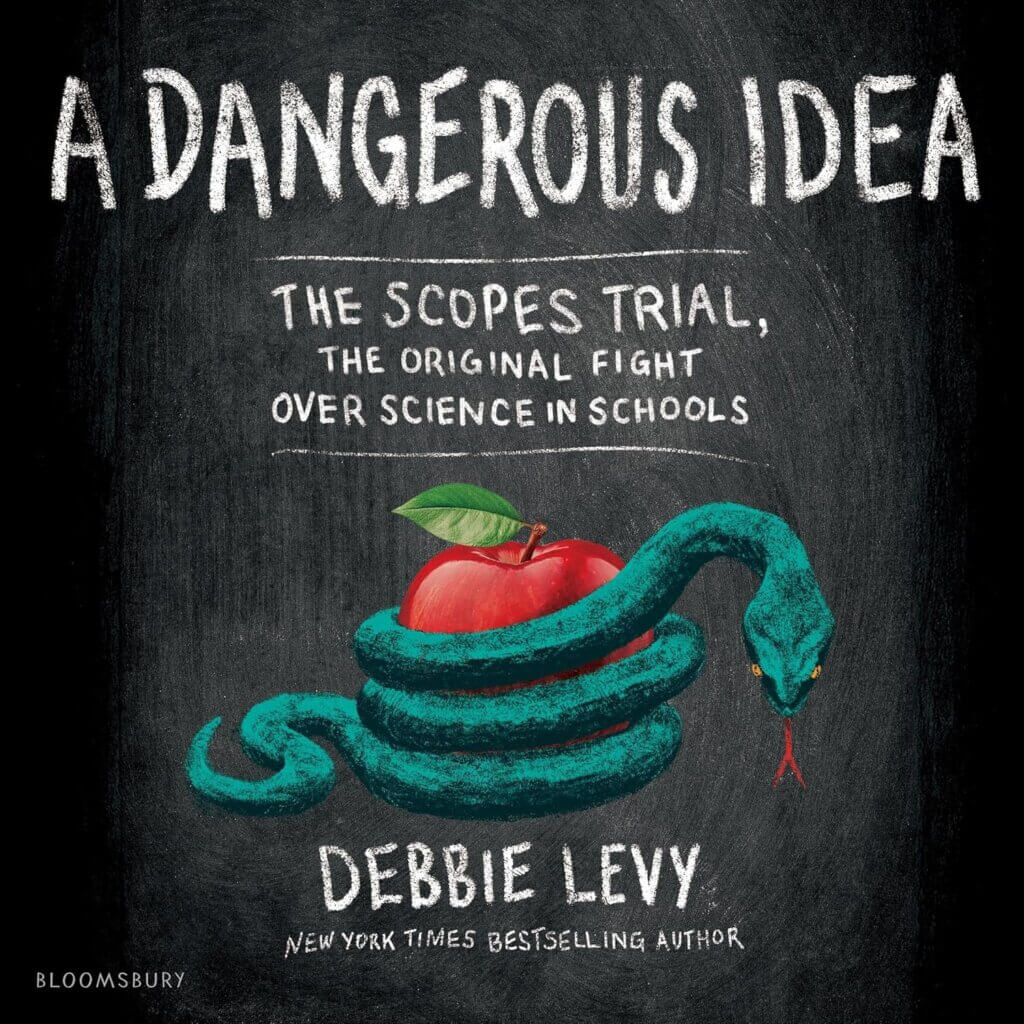
Why is it so hard for people to accept scientific truths? Give your 8- to 14-year-olds “A Dangerous Idea: The Scopes Trial, the Original Fight Over Science in Schools” by Debbie Levy (Bloomsbury) to explain the American origins of anti-science sentiment. It’s also a wonderful audiobook, read by Noe Nishizawa.
“The Ellesmere Wolves: Behavior and Ecology in the High Arctic” by L. David Mech, Morgan Anderson and H. Dean Cluff (University of Chicago): Ellesmere Island is 600 miles from the North Pole, and Merch has spent part of every year for a quarter-century living beside a pack of wolves and documenting their behaviors. This book, full of gorgeous photographs, is both an academic study and a fascinating read full of anecdotes and sharp observations of what wolf packs have to teach us.
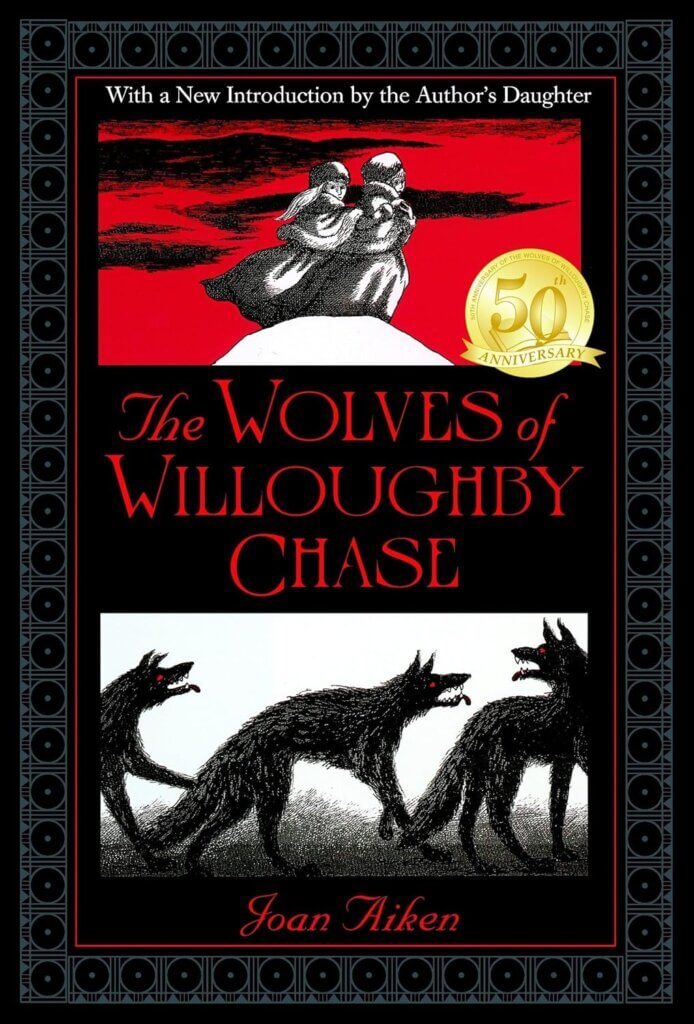
I have a lifelong fascination with wolves thanks to reading “The Wolves of Willoughby Chase” by Joan Aiken (various publishers) long ago, one of the best adventure stories ever written. It will leave your child with a yen for stories set on moors with dangers aplenty, yet full of courage to fight the villains. Try to get the edition with Edward Gorey’s perfect illustrations.
“Raising Hare: A Memoir” by Chloe Dalton (Pantheon) chronicles Dalton’s unexpected, golden time of sharing her life with a wild hare. The next time you see a bunny nibbling on your flowers, it may give you pause.
“Tamed: From Wild to Domesticated, the Ten Animals and Plants That Changed Human History” by Alice Roberts (The Experiment) offers a rare hopeful view of humanity’s influence on nature. “In the World of Whales” by Michelle Cusolito, illustrated by Jessica Lanan (Holiday House/Porter), is a real-time picture book of a diver’s adventures when he approaches a clan of sperm whales. A great book for New England kids who dream of seeing a whale one day.
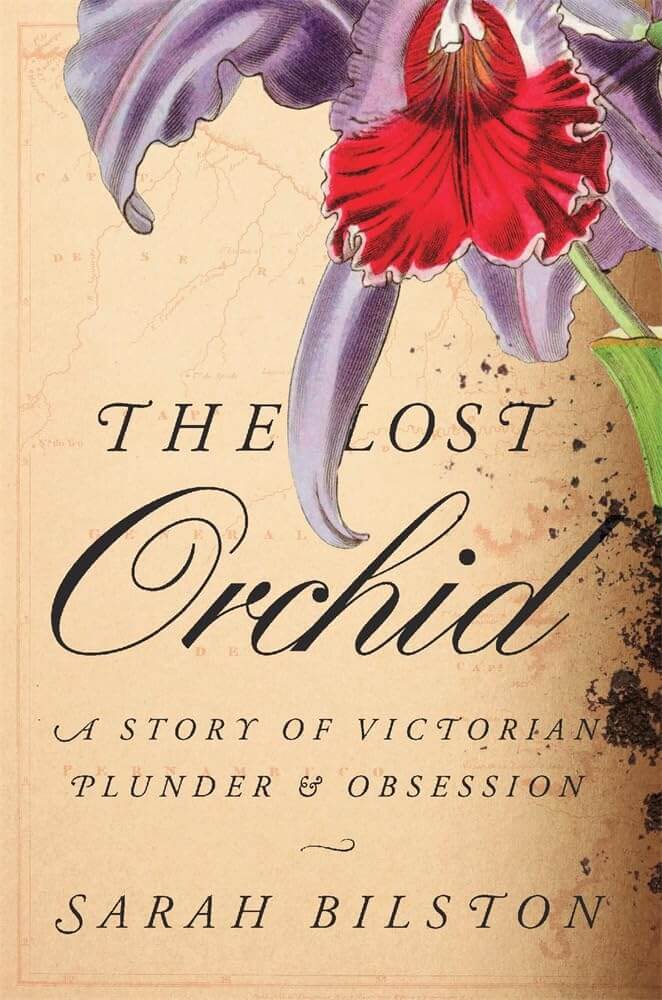
The Victorians, in all their contrary impulses toward science, spirituality, rationalism, and outright loony preoccupations, come alive in “The Lost Orchid: A Story of Victorian Plunder and Obsession” by Sarah Bilston (Harvard). Orchid whisperers will be thrilled to know their affinity for this gorgeous bloom has deep roots. I am reading “Staying Alive: The Go-To Guide for Houseplants” by Janet Melrose (Touchwood Editions) in the hope that I can keep mine flourishing through the year.
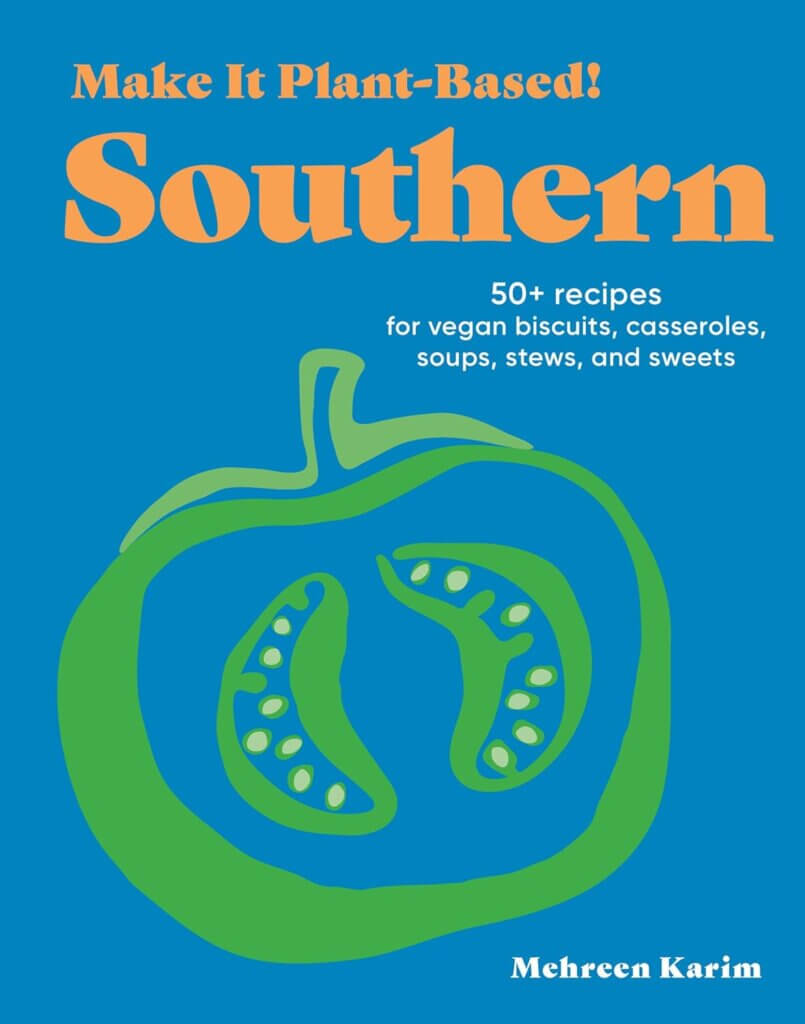
I do grow herbs successfully and have great faith in their humble way of surviving and endlessly giving back to my garden and my recipes. I am enjoying the “Make It Plant-Based!” (Workman) series of cookbooks, each featuring a different cuisine: Southern, Mexican, Indian, and Filipino.
I need to grow more vegetables than tomatoes on the vine, so I will tackle “Grow Cook Eat: A Food Lover’s Guide to Vegetable Gardening, Including How to Grow 50 Vegetables, Herbs and Fruits” by Willi Galloway & Jim Henkens (Sasquatch). If I ever have more than a postage-stamp-size area to build my family’s future on, “50 Projects for Building Your Backyard Homestead, Updated Edition: A Hands-On, Step-By-Step Sustainable-Living Guide” by David Toht (Creative Homeowner) should get me started. “No New Things: A Radically Simple 30-Day Guide to Saving Money, the Planet, and Your Sanity” by Ashlee Piper (Caledon) has non-judgmental, easy tasks to track consumption and detach a little from a consumerist society without throwing out everything you own and then having to buy all over again.
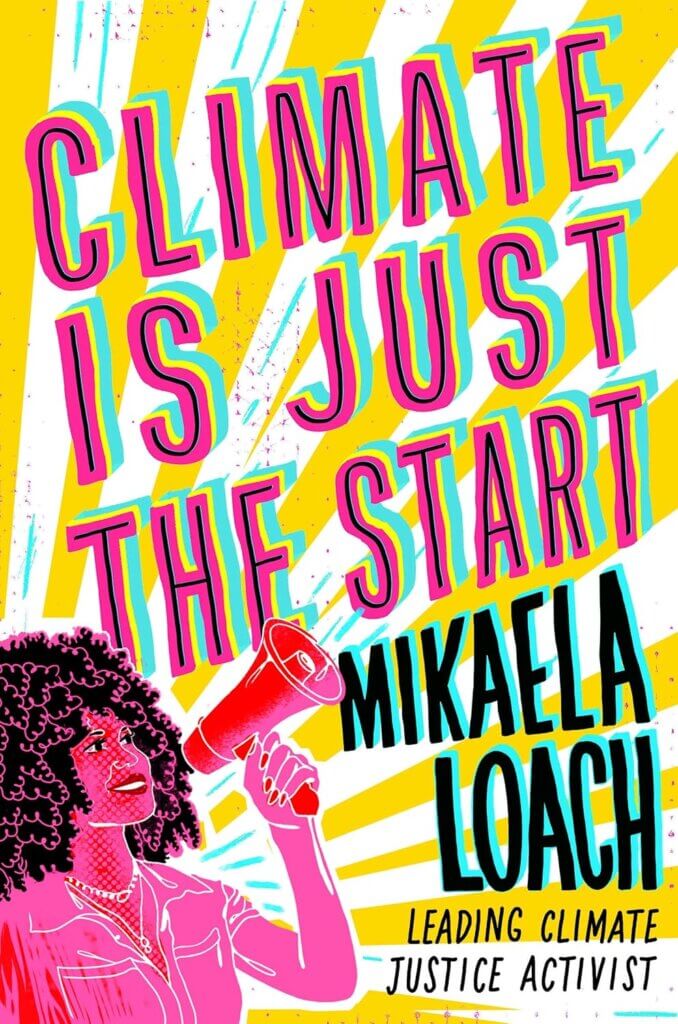
For younger climate activists, “Climate is Just the Start: How We Can Stop the Climate Crisis and Start Building a Better World” by Mikaela Loach, illustrated by Lauri Johnston (Bright Matter Books), is a reassuring way to encourage their hopes for the future.
“Wildfire Days: A Woman, a Hotshot Crew, and the Burning American West” by Kelly Ramsey (Scribner) is the true story of a woman who joined an elite Californian firefighting crew and saw firsthand the devastation wreaked not only on the environment but on her team and on her own psyche. The word is that this is coming to our screens soon, so as always, try to read the book first.
We must take better notice of our resources. “Is a River Alive?” by Robert MacFarlane (Norton) challenges the reader to think of a river as a living being, the nature of liquid as a physical and sentient creature, or at the very least, a metaphor for our own life experience.
I often wish I could read more contemporary poetry. “You Are Here: Poetry in the Natural World” ed. by Ada Limón (Milkweed Editions/Library of Congress), our 24th poet laureate, envisioned as her national project an installation of picnic tables in cooperation with the National Park Service with poems by various poets inscribed on them. If you like to meditate with words and images as your inspiration, “Everyday Wild: An Illustrated Guide for Mindfulness in Nature” by Kathryn & Bo Hunter (Clarkson Potter) or “A Dream Too Wild: Emerson Meditations for Every Day of the Year” by Barry M. Andrews (Red Wheel) are guides to sustaining that delicate feeling of connection to nature that spring brings out in every soul.
The Fowler Branch Library is holding a special “Earth Day Storytime,” for ages 5 and under, on Earth Day, April 26, from 11-11:45 a.m. in its beautiful backyard space. The event is in collaboration with the Acton-Carlisle High School Green Team and the Acton Chapter of Mothers Out Front. Attendees can make a mini-greenhouse using recycled materials and then sow native seeds to transplant in the coming months. The Acton Seed Lending Library is going strong at Fowler, so ask to see their catalog of seeds and take a few for your own garden.