Reviews & Views: Celebrating the rise of fall’s robust reads
Autumn means lots of new books get released, many long and heavy. I often hold off on reading these door stoppers until I’ve heard favorable reactions from trusted sources. Then I place holds.
Many Acton Free Public Library staffers read these titles before their release to best serve their patrons — ordering extra copies, chatting the books up to visitors. If you can’t wait for CFPL to receive it, put an order in at one of our local bookshops, which offer good advice. Having a book chat is an easy way to foster social interaction and plan for the months ahead, when a good read will get you through the lengthening darkness.
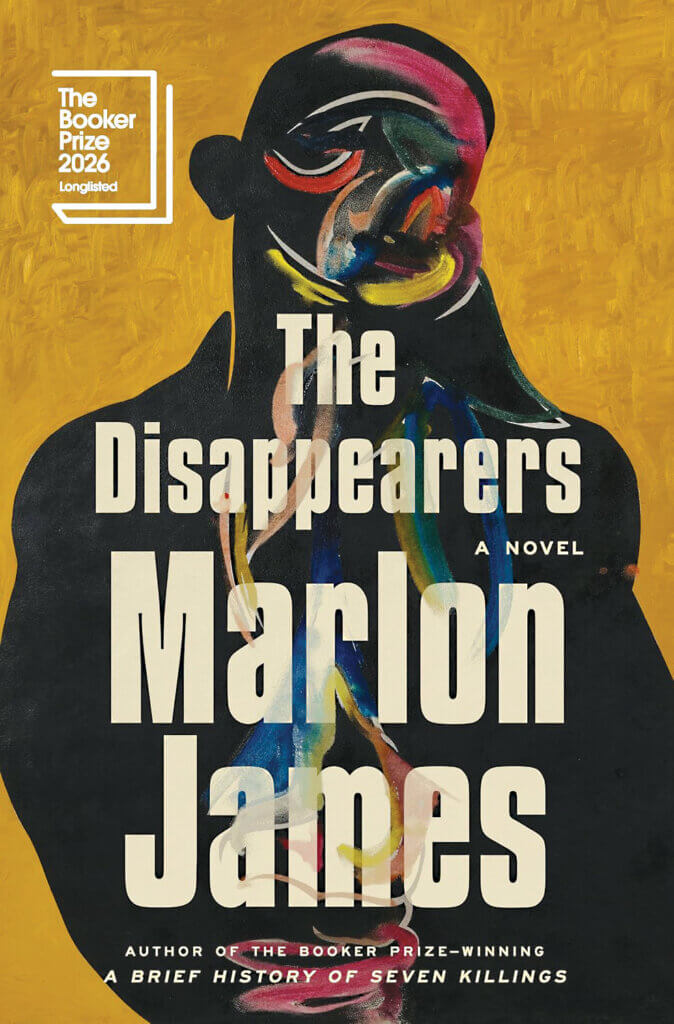
What can you say about a book that could win its author the Nobel Prize in literature? “The Disappearers” by Marlon James (Riverhead) is 600-plus pages about a group of gay men facing homophobia and violence in Jamaica. One of my favorite librarians is reading this, and I’m waiting for the review. They encouraged me to read “Lincoln in the Bardo” by George Saunders, one of the greatest American novels of this century. It’s being made into a film starring Tom Hanks as Lincoln, with Peter Dinklage and Willem Dafoe playing ghosts.
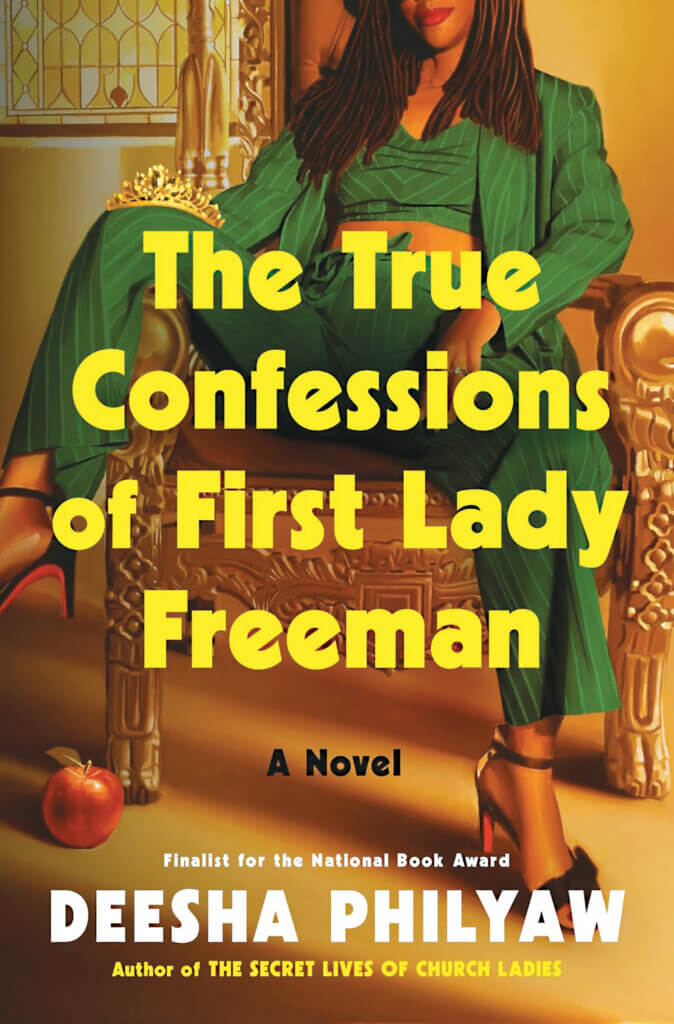
In “The True Confessions of First Lady Freeman” by Deesha Philyaw (Mariner Books), the wife of a megachurch pastor lands herself in a scandal. This sounds so funny, and I’m rooting for Taraji P. Henson to play the lead in the inevitable film.
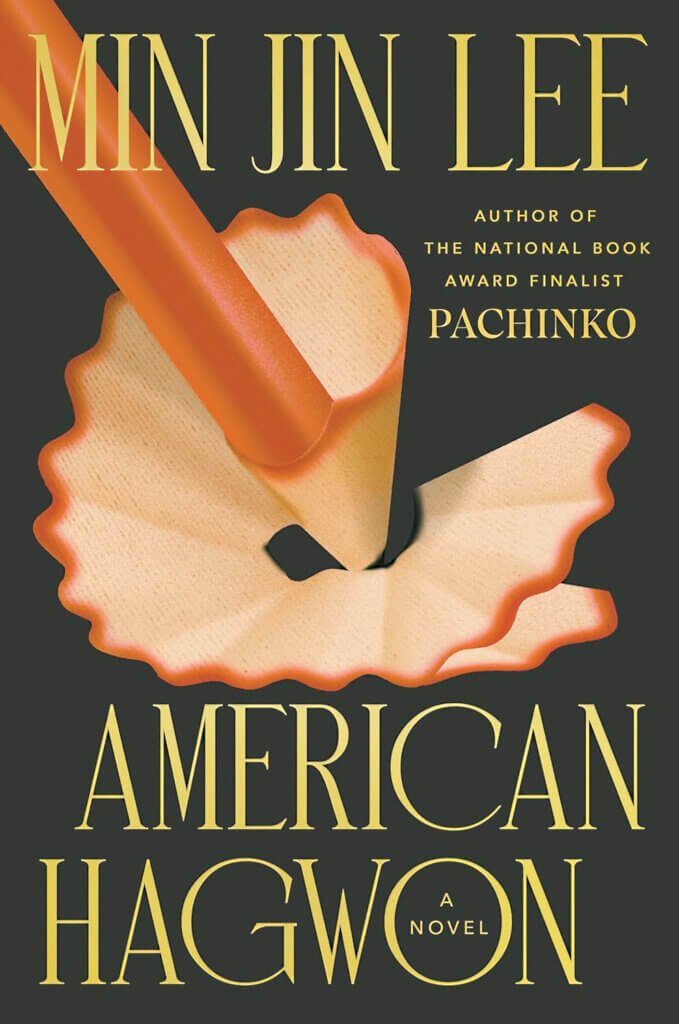
“American Hagwon” by Min Jin Lee (Cardinal), the author of “Pachinko,” is an examination of the unique pressures, strengths, and strained resources that make up the South Korean diaspora’s experience. Lee is an epic, fearless writer.
“Partita” by Barbara Kingsolver (Harper) asks: Can long-ago love affairs upturn your life? It’s not one of my fantasies, but Kingsolver apparently has written a beautiful and believable story.
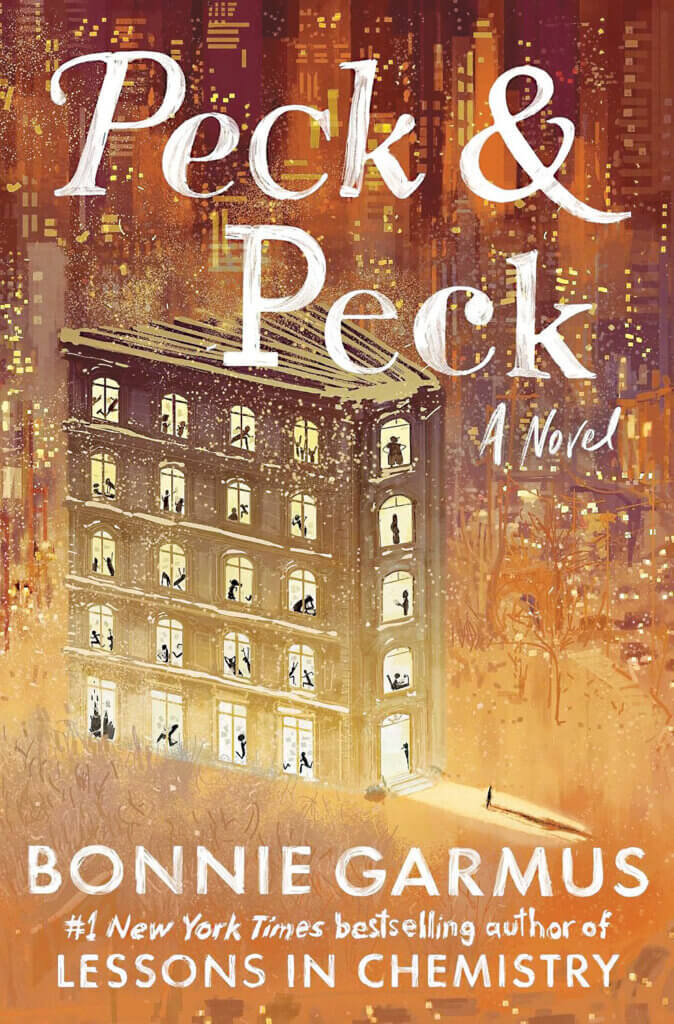
“Peck & Peck” by Bonnie Garmus (Scribner) prompts this confession: It took me a long time to read Garmus’ “Chemistry Lessons,” and I didn’t love it or the screen adaptation. But this novel of navigating the 1980s literary scene sounds promising and, as I mourn the loss of many magazines and publishers of that time, is so very nostalgic.
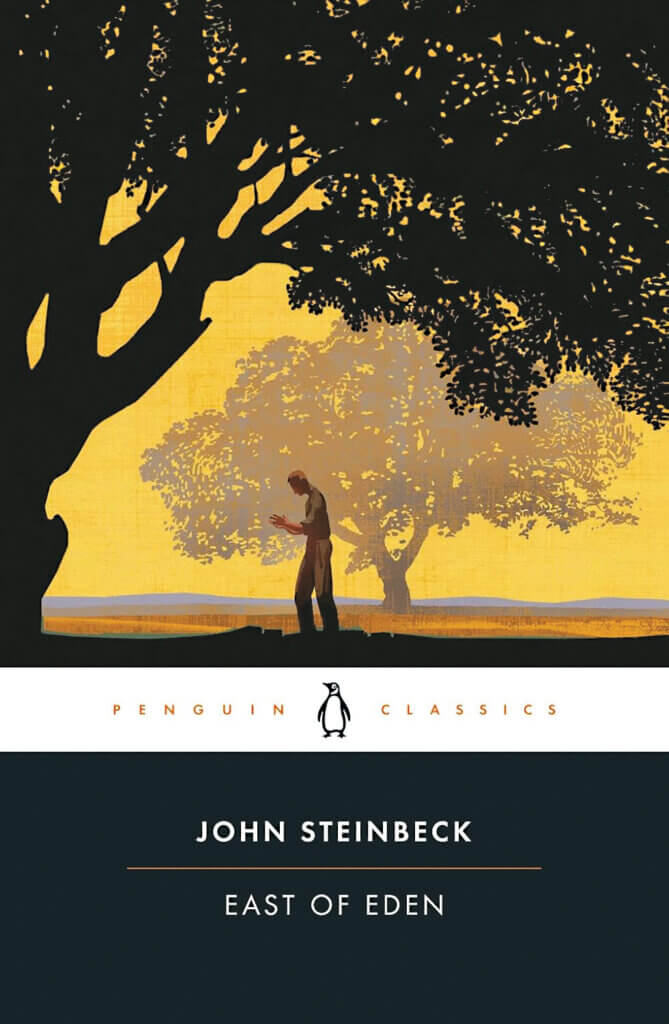
I’ve never made it through “East of Eden” by John Steinbeck (Penguin). Now there’s an upcoming Netflix production starring Florence Pugh. Director Zoe Kazan’s grandfather Elia Kazan directed the 1955 film starring James Dean. How about watching that with your teen, giving them the book, and then watching the new one? It puts Pugh’s version of Cathy at the center of the action, and it has one of my favorite character actors, Hoon Lee, with everyone standing against the most gorgeous California scenery. If your teen might be more of a Jane Austen fan, there’s a new version of “Sense and Sensibility” coming out.
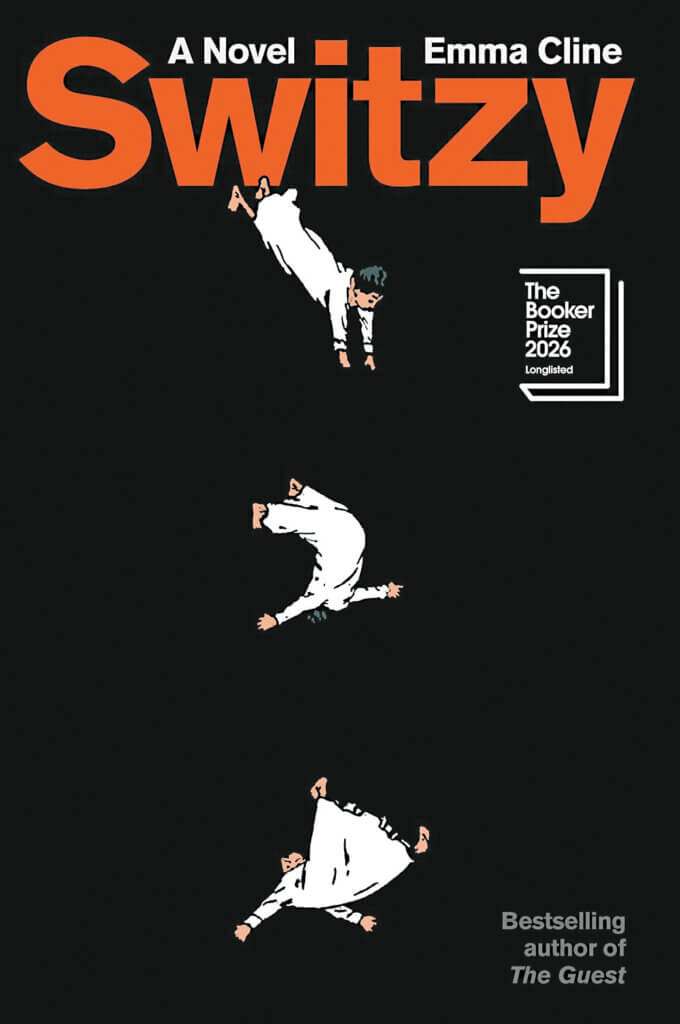
“Switzy,” a Random House release, is by Emma Cline, with whom I struggle a bit. She’s ambitious, talented, and literary, but she opts for the weirdest subject matter. This one is long-listed for the Booker Prize, as is “The Disappearers,” but that’s not necessarily a recommendation.
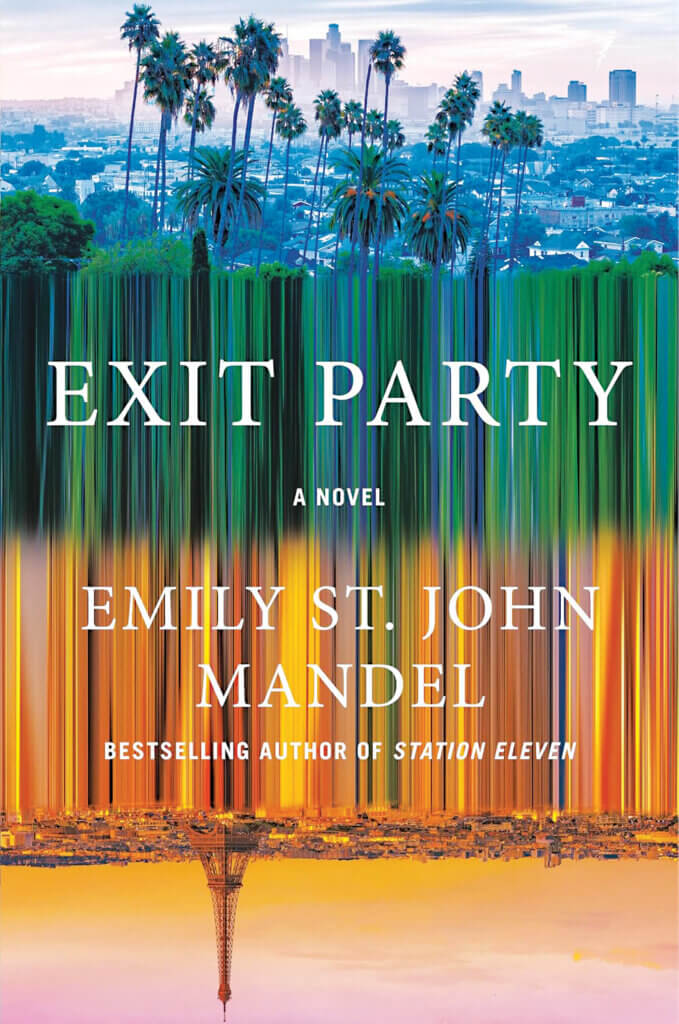
“Exit Party” by Emily St. John Mandel (Knopf): Very few contemporary authors have St. John Mandel’s impact or following, and if the word of mouth is that this book matches up to her “Station Eleven,” I’ll read it; her not-so-far-off dystopias are scarily believable.
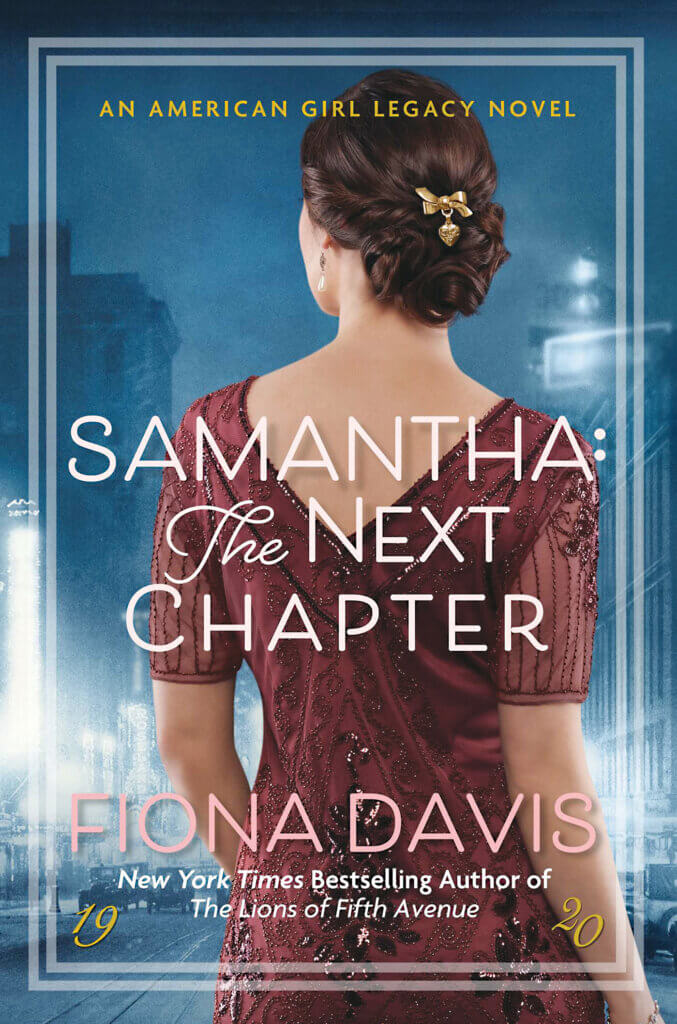
I’m buying “Samantha: The Next Chapter” by Fiona Davis (American Girl Publishing) for both daughters this fall. It’s a continuation of Samantha Parkington, an American Girl character from the early 1900s, after she leaves her Manhattan mansion for life downtown. Don’t roll your eyes; these books were cornerstones for a generation of girls’ literacy and could keep them reading in their 20s.
“The Museum of Modern Love” by Mariko Turk (Macmillan) is about a teen who gets locked inside the Metropolitan Museum of Art with her ex — an update on “From the Mixed-Up Files of Mrs. Basil E. Frankweiler” by E.L. Konigsburg (Atheneum). Please, get a copy of the latter and leave it around for your school-age child to do for their first book report this year. Better still, listen to it together; Konigsburg’s wry, dry tone and her refusal to condescend in her depictions of children are brilliant.
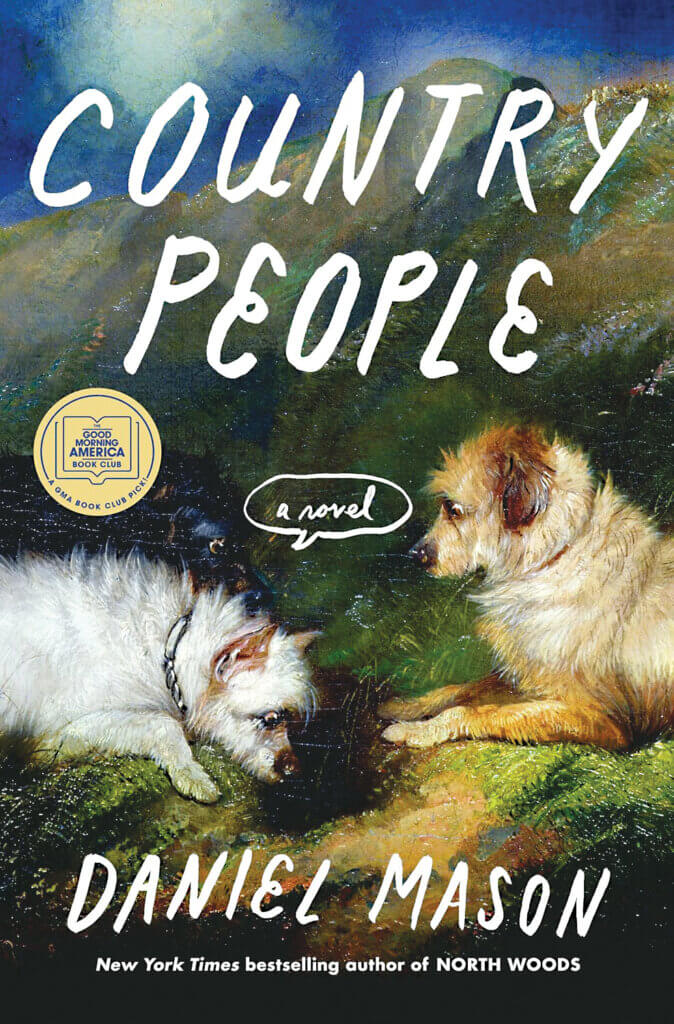
“Country People” by Daniel Mason (Random) is being read by the person I live with; he loved “North Woods” so much that he rereads it regularly. I’m sold on Mason’s new one, described as his most Chekhovian novel yet. (When facing Russian literature, I usually choose Chekhov.)
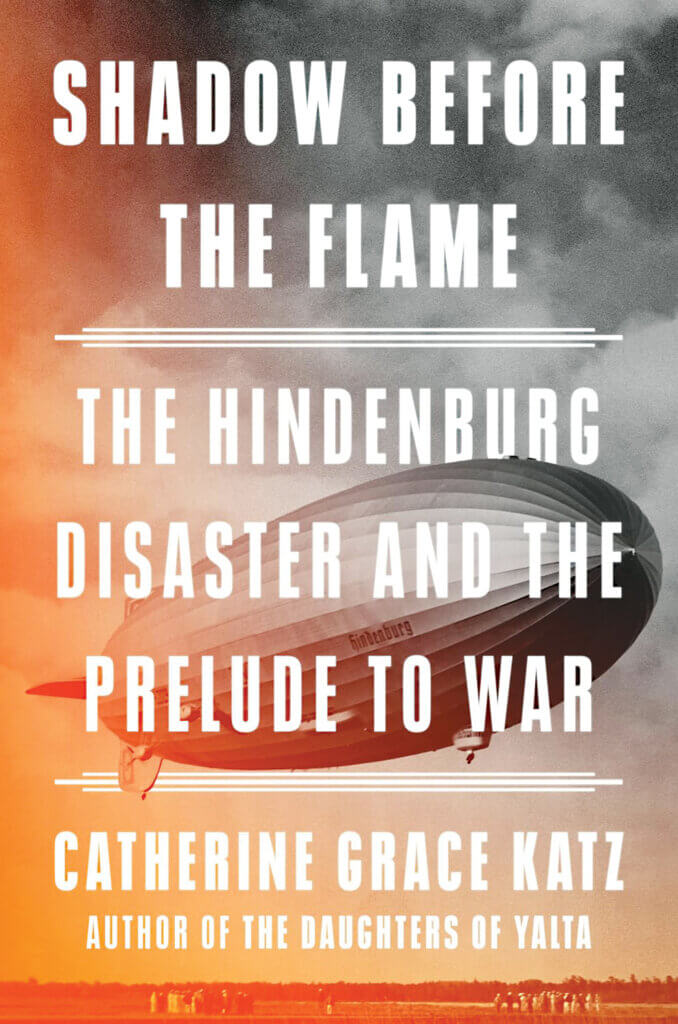
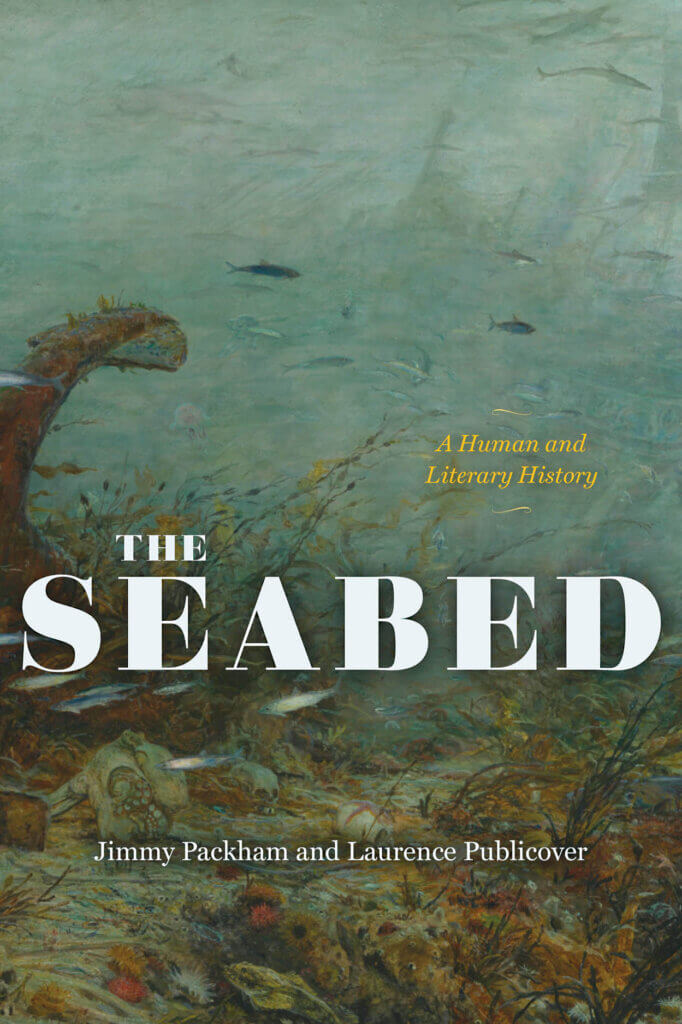
I always vow to read more non-fiction, so I’m considering “Shadow Before the Flame: The Hindenburg Disaster and the Prelude to War” by Catherine Grace Katz (Viking). Those old newsreels of the Hindenburg coming down in flames — even after all the disasters we’ve been forced to watch — still make one wonder at our technological arrogance. “The Rush: California Gold, the Civil War, and the Making of the Modern World” by Nathaniel Philbrick (Viking) could be a great one to listen to in the car, as Philbrick’s stylish writing makes history fascinating. “The Seabed: A Human and Literary History” by Jimmy Packham and Laurence Publicover (University of Chicago) has a gorgeous cover. Will someone tell me if it’s any good?
Views are those of the author.