Reviews & Views: Epics about other epochs
One consolation of the cold outside is that you have a good excuse to read a long book inside.
There’s something about immersing yourself in a stream of words that makes us smarter, better, stronger. Taking on a long book is actually an easier way to keep yourself reading, as you return with increasing eagerness to an increasingly familiar world.
I’ll never forget watching children read Harry Potter, turning through seemingly endless pages with utmost concentration, wishing the next book would be even longer. Adults can do it, too, if we allow ourselves the chance. Warning: Not one of the following books is under 500 pages.
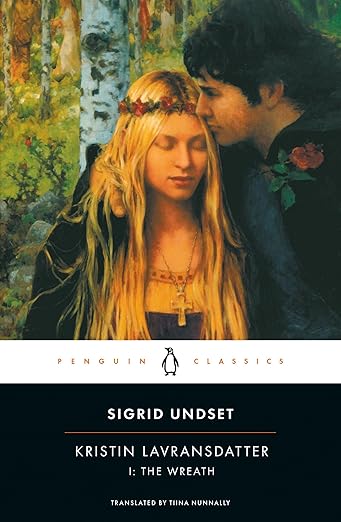
I have always vowed to tackle Sigrid Undset’s “Kristin Lavransdatter” (Penguin), her Norwegian trilogy of 14th-century life that melds folklore, myth, and the day-to-day of women into a 20th-century classic of feminist historical fiction and for which Undset was awarded the Nobel Prize. I’ve always meant to read it but just haven’t picked it up yet. And there’s always listening to the audiobook, available through the Acton Free Public Library, while I do chores.
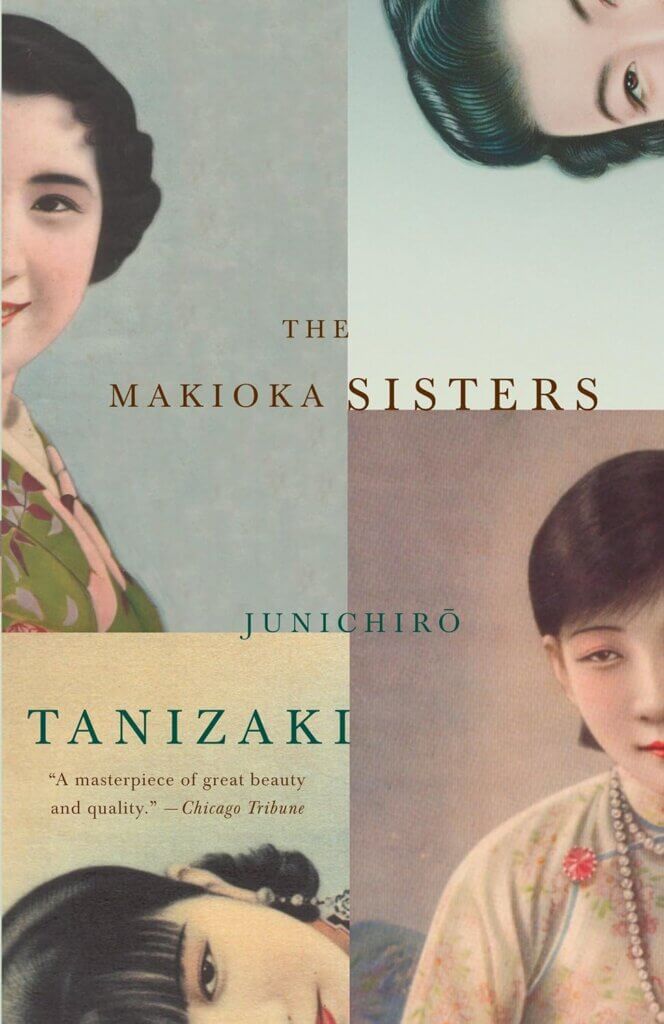
I will try the same for “The Makioka Sisters” by Jun’ichirō Tanizaki (Vintage), another classic that will give me a window into a different culture, that of prewar provincial Japan and a family’s struggle to maintain its wealth and traditions in the face of societal changes. The Criterion Classic collection has a film version that I will treat myself to — once I’ve read the book, of course.
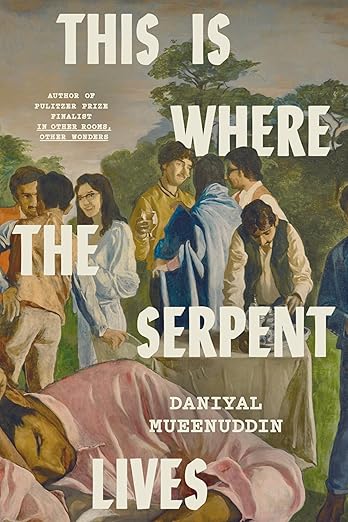
“This is Where the Serpent Lives” by Daniyal Mueenuddin (Knopf) is a winding tale of Pakistan, featuring multiple characters crossing paths through generations of 20th-century tumult. Critics love it, and it sounds great.
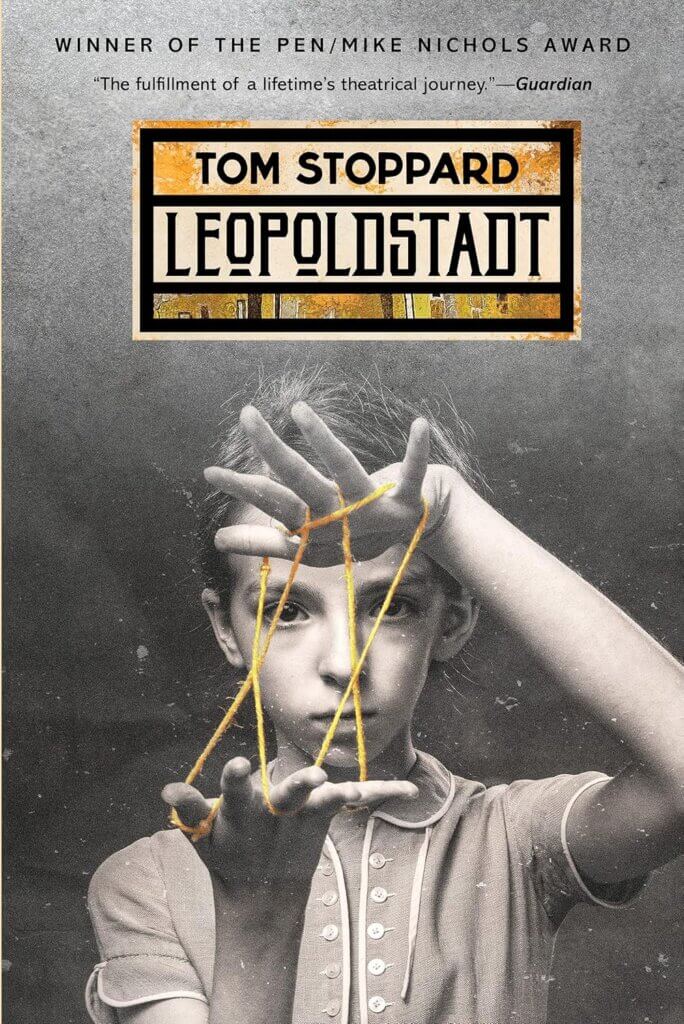
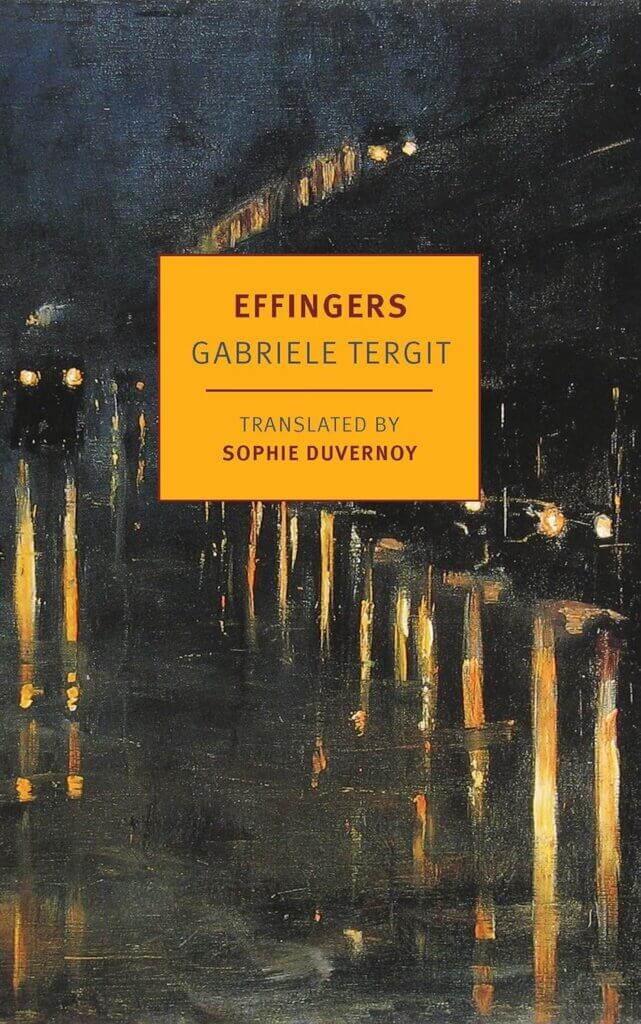
“Effingers” by Gabriele Tergit, translated by Sophie Duvernoy (NYRB), has been reissued in a lovely new paperback. It is a multigenerational tale of an Austrian-Jewish family’s rise, fall, and rebirth in the early 20th century. I recommend “Leopoldstadt,” a play by Tom Stoppard on the National Theater, which can be watched online through the National Theatre at Home streaming service. The production is available to rent or purchase as part of its global on-demand library. I caught the New York production, and it inspired me to read Hermione Lee’s doorstopper biography of Stoppard (Knopf). A good biography is a way to not just read about the subject but explore their world. Sir Tom’s was rich, spanning pre-World War II Jewish Czechia and a childhood escape through Europe, Singapore, and India, then ultimately to England and a career as a brilliant playwright. He became one of the 20th century’s glittering intellectual figures with his first great play, “Rosencrantz and Guildenstern are Dead,” but his works span time periods, blurring past and present, playing with memory and tricking us with different perspectives on history, large and small. My favorite work of his is “Arcadia,” but the three-play cycle “The Coast of Utopia,” apparently a chronicle of Russian intellectual history, is still daring me to try it.
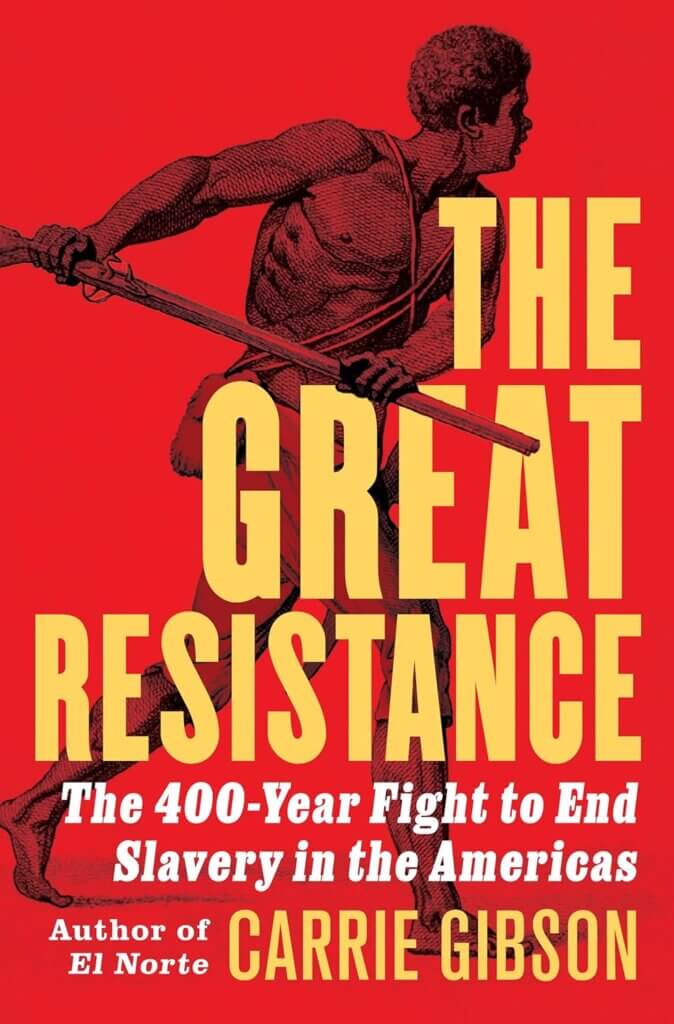
“The Great Resistance: The 400-Year Fight to End Slavery in the Americas” by Carrie Gibson (Atlantic Monthly) offers a new view of Black history that firmly dispels the notion that the abolitionist cause was a gift given to passive victims.
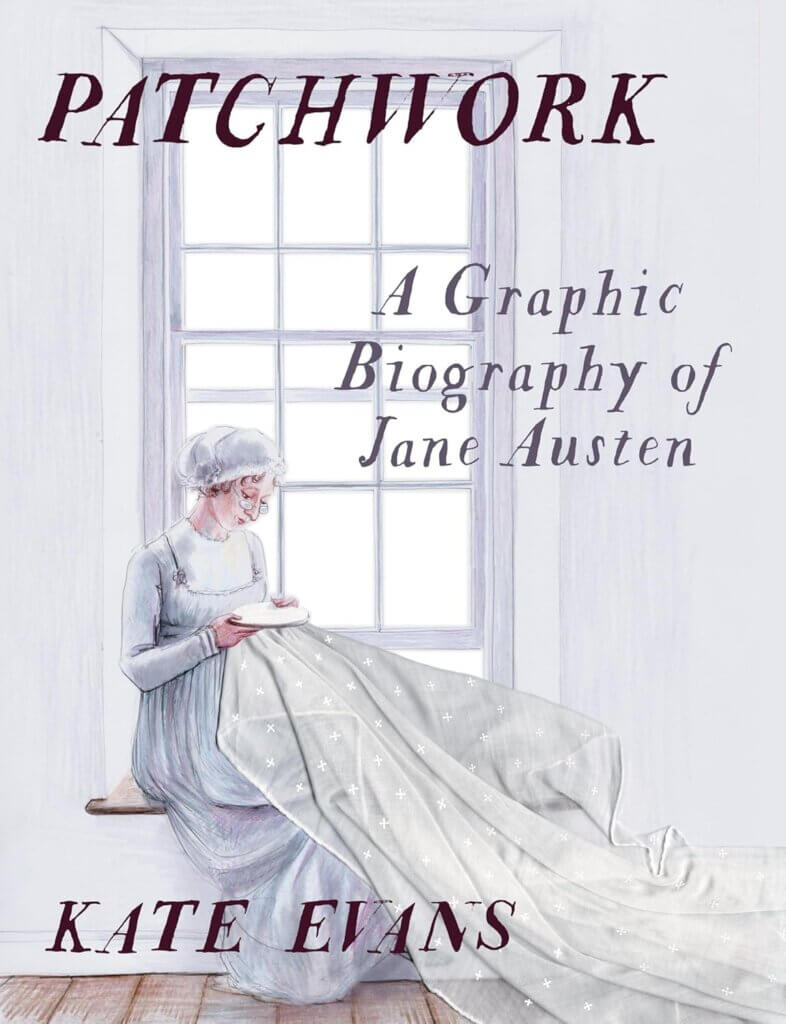
“Patchwork: A Graphic Biography of Jane Austen” by Kate Evans (Verso) offered this amateur Austen scholar a new perspective by supplying both images and details of Jane Austen’s life that I didn’t know. As was common in her time for babies of her class, she spent her earliest years in the home of a working-class couple, being nursed by the wife. Then she was collected back into the gentrified world of her country minister father and fretful mother to perform the unpaid labor of household tasks that women were expected to perform, starting with endless sewing. Evans’ illustrations convey the frustration of a writing genius continually expected to put down her pen and perform her duties.
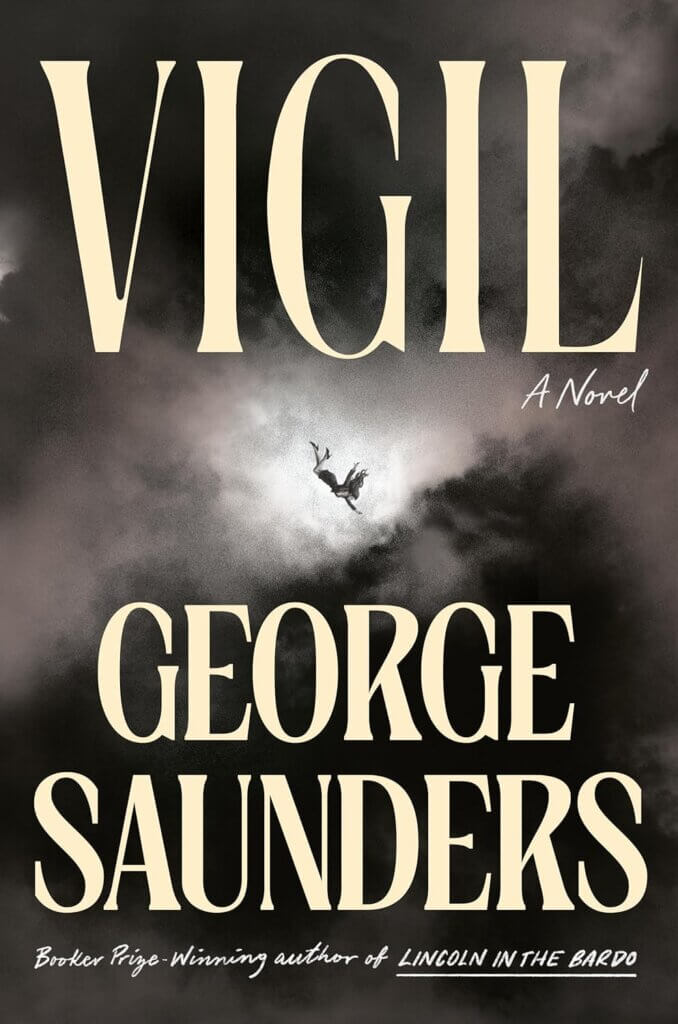
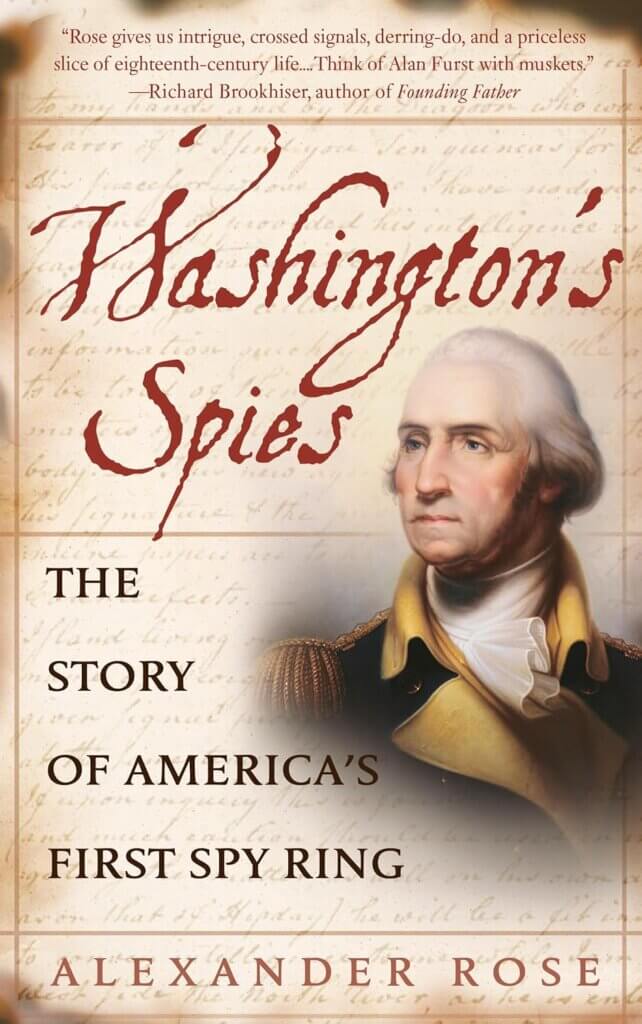
“Vigil” by George Saunders (PenguinRandom) is already one of the year’s big books. A bedridden oil company CEO about to be ferried to the next life must first face ghosts from his past. I plan to listen to the audio with a cast featuring Stephen Root and Judy Greer. I love Root in anything and am always delighted when he pops up unexpectedly. I finally got around to watching the American Revolution drama “Turn,” based on “George Washington’s Spies” by Alexander Rose (Bantam), and there was Root in a small part, stealing the show as American spy master Nathaniell Sackett. “Turn” has four seasons, so it’s quite a commitment, but I found its scenery-chewing, melodramatic take on the Revolution rather entertaining. As always I found myself preoccupied by how good everyone’s hair and teeth are, especially mystifying as Washington’s are literally coming out during some of the drama.
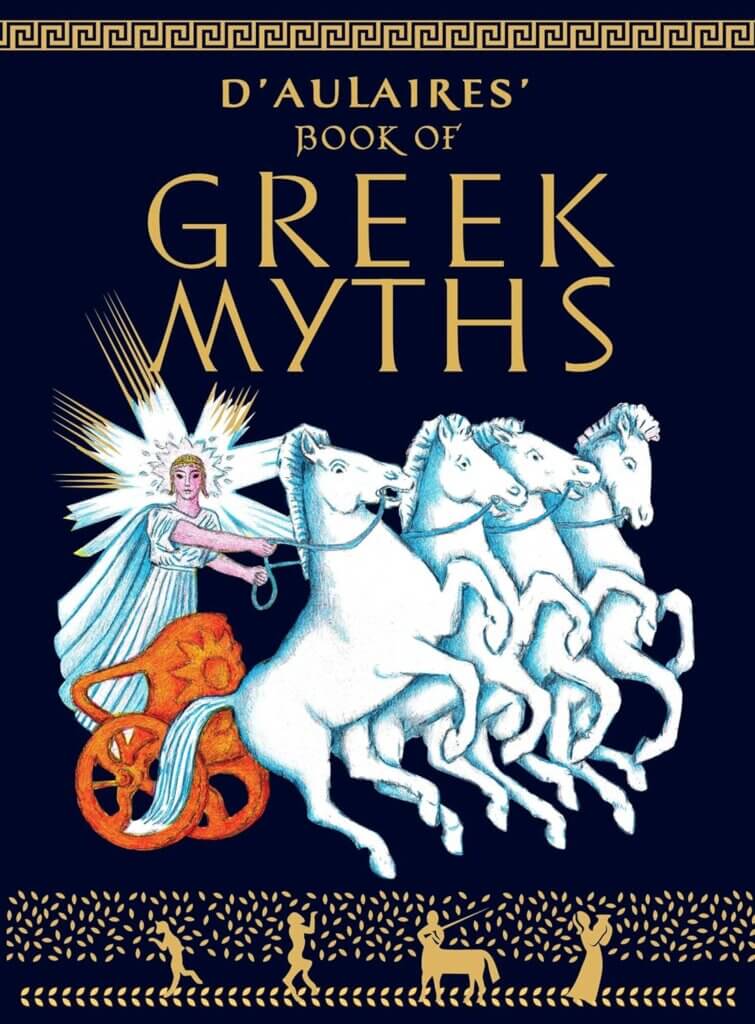
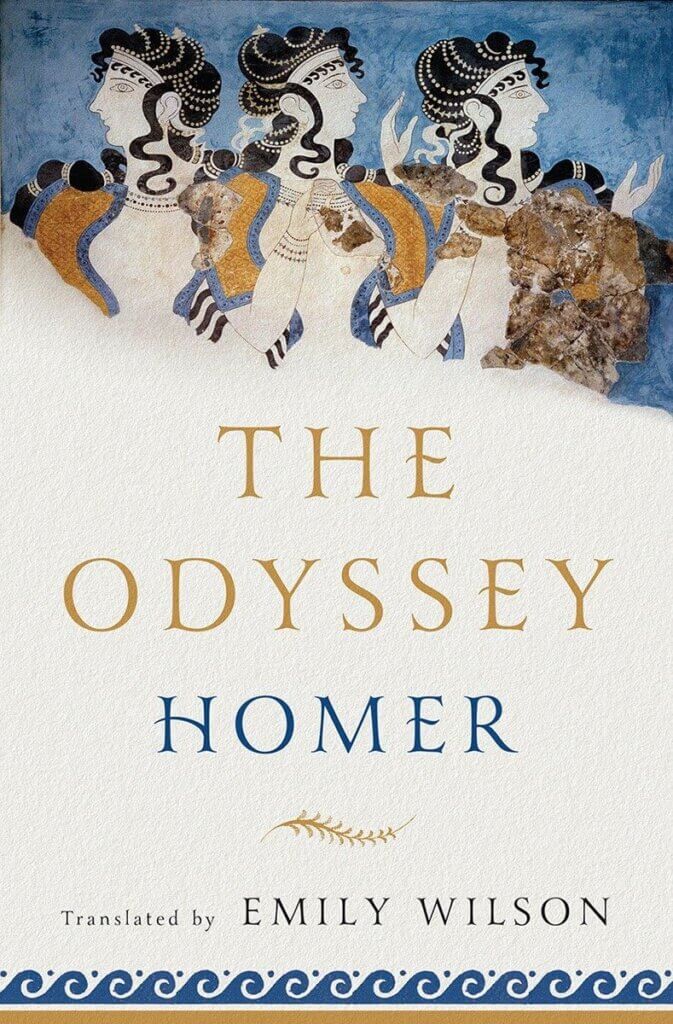
Be ambitious for the young readers in your house, too. For those over age 10, I suggest tackling “The Odyssey” on audio with a really good reader or even a large cast. Emily Wilson’s contemporary translation (Norton) is accessible, if a tad controversial due to the vaguely contemporary language. On Libby and Hoopla with your library card, you have access to dozens of versions. For the younger set, there is no better introduction than Ingri and Edgar D’Aulaire’s “Book of Greek Myths” (Delacorte) — the big scale of the pictures suits the epic perfectly.
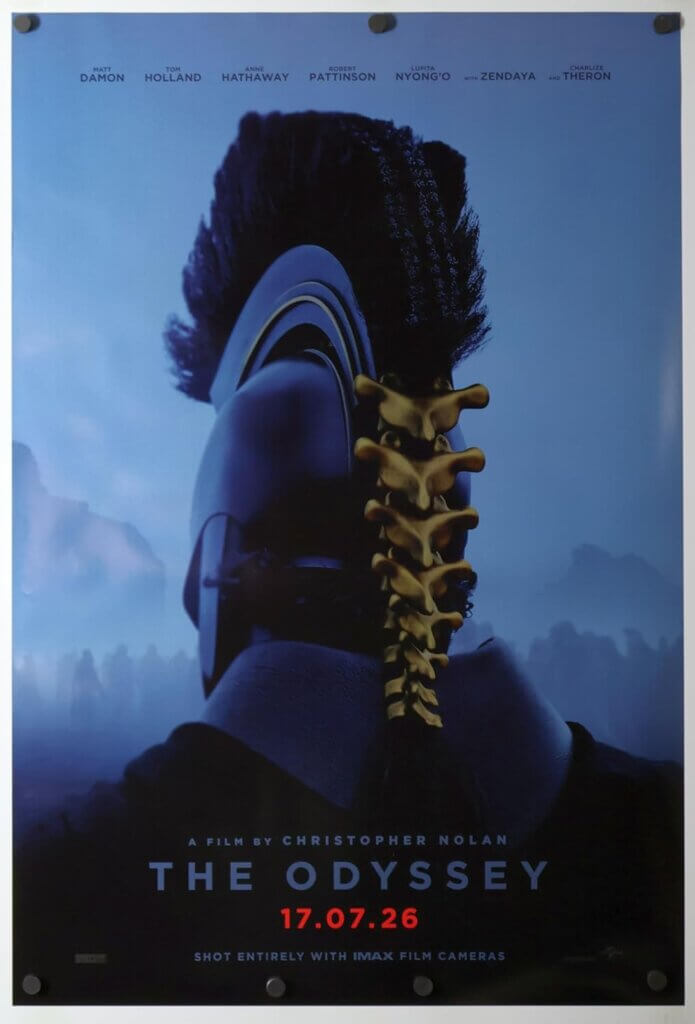
Why bother reading “The Odyssey”? It’s a ripping good yarn that lays a foundation of understanding for myth that will echo for their lifetime, but mostly because there’s a Christopher Nolan film coming out this summer with everyone from Matt Damon to Zendaya in it. Kids will enjoy it much more if they have a clue who Ulysses is. If they like one set of myths, it’s easy to go on with another — perhaps Norse or Egyptian. These act as giant building blocks for cultural literacy and give a lifetime of pleasure.