Reviews & Views: Finding solace in a page-turner
When life pushes you off kilter, you need something familiar, reassuring, loving to get back on track.
To clear my head of some sad thoughts, and with everything going on in the world, I’ve been gravitating toward comfort reads — books that take you out of yourself but keep you grounded by revisiting worlds and characters that welcome you back. I still have stacks of ambitious titles that I’ll attack with relish later, but when life pushes you off kilter, you need something familiar, reassuring, loving to get back on track.
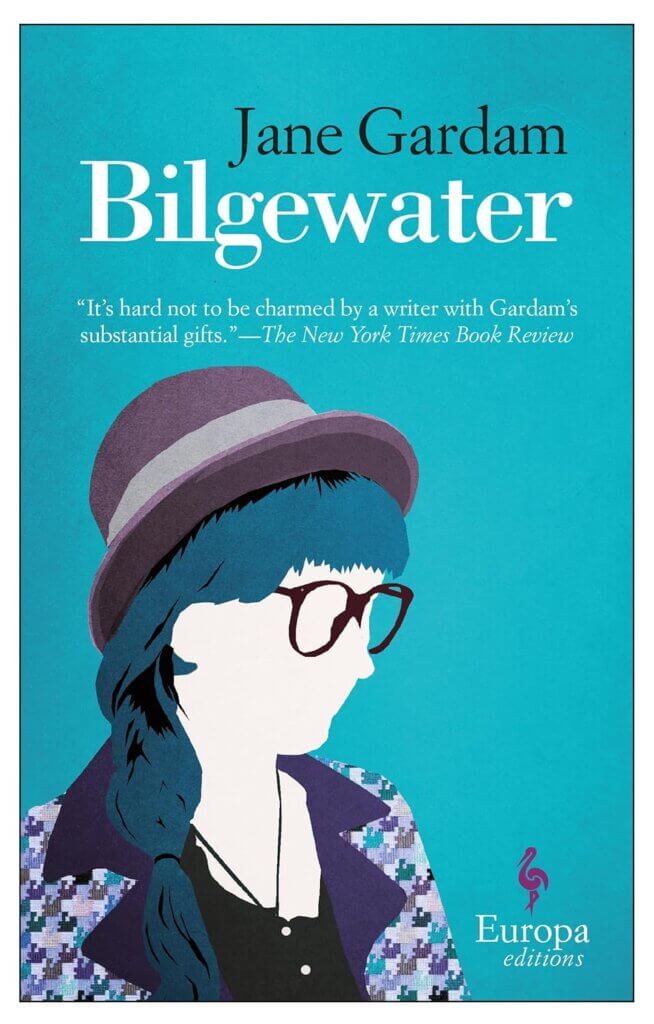
Jane Austen’s works are all on my shelf, but I’m also fond of Jane Gardam, another very English, very wise chronicler of wry characters going through emotional storms that end in a kind of happiness, or at least a nice cup of tea. Her first books were published for teenagers and are now placed in the adult section, but I think they’re for anyone. Gardam’s later works, especially her Old Filth trilogy, are better known, but “Bilgewater” (Europa Editions) is the one on my shelf. Its intelligent, sensitive, and short-sighted teen heroine muddles her way to happiness, or at least Oxford, on the campus of her headmaster father’s school for boys.
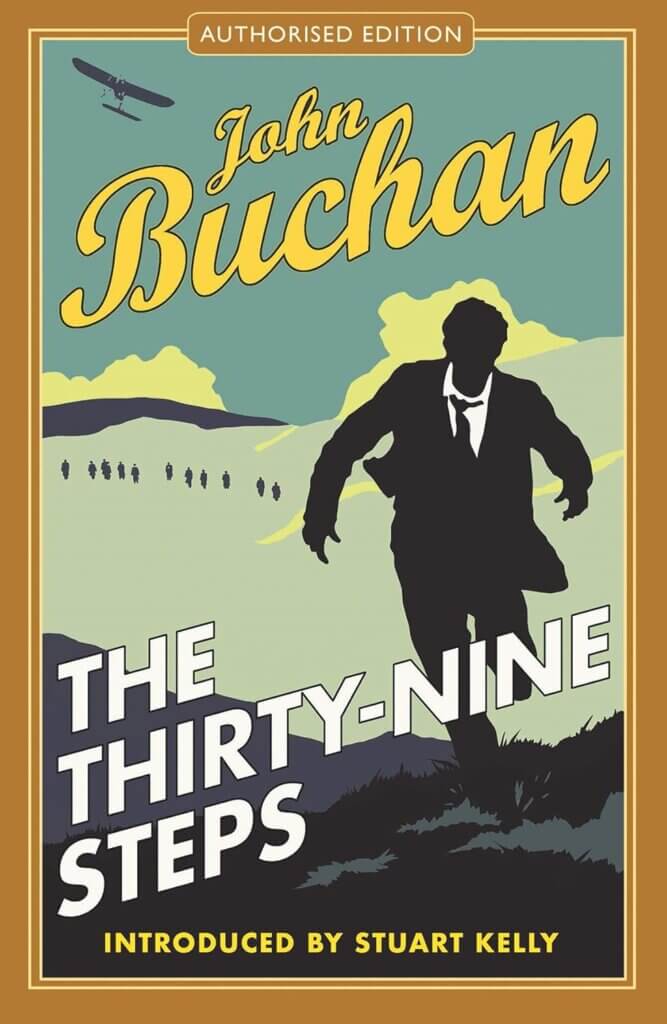
My father was a great reader of John Buchan, the Scottish writer, government official, and expert fly-fisherman. I reread his “The 39 Steps” (Berlinn) every year and watch the film faithfully — the Hitchcock one, now in the Criterion Collection. It’s astonishing how many tropes Buchan casually invented with his adventure of Richard Hannay running across the Scottish moors, wrongly accused of murder, chasing down foreign spies, and evading capture while yearning for a dram of whiskey. Try Rob Hart’s fantastic “Assassins Anonymous” (Putnam) series for a contemporary upgrade with chills and laughs in equal measure.
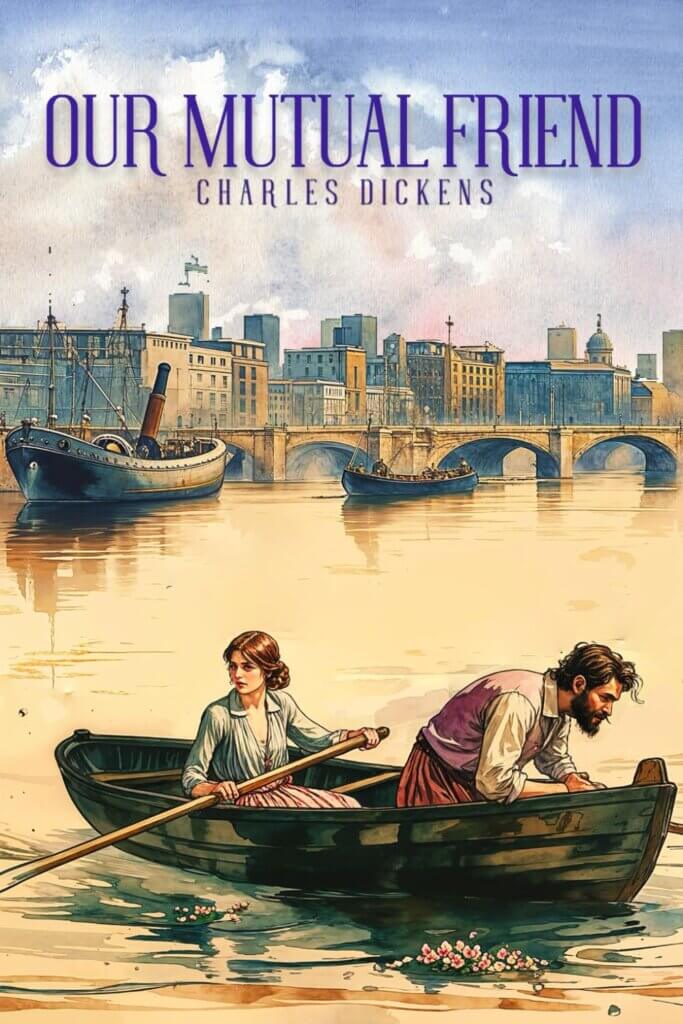
I’ve had to reread several Dickens novels for a project and found listening to them on Hoopla helped me discover a new appreciation for his descriptive writing of town and country. I did, I confess, watch several cinematic versions to get through the sheer tonnage of pages. “Nicholas Nickelby” (Penguin) will always remain the gold standard of adaptations (nine hours long with 39 actors playing 150 parts, available on Apple TV), with Roger Rees giving a performance for the ages as the titular hero. But the Dickens on my shelf is “Our Mutual Friend” (Penguin); it has some of Dickens’ only younger female characters who aren’t simpering idiots. I recommend the PBS Masterpiece version, which nicely shows the importance of an emerging class fluidity in Dickens’ world, if not the savage takedown of a capitalistic system that permits social mobility only if you’re lucky.
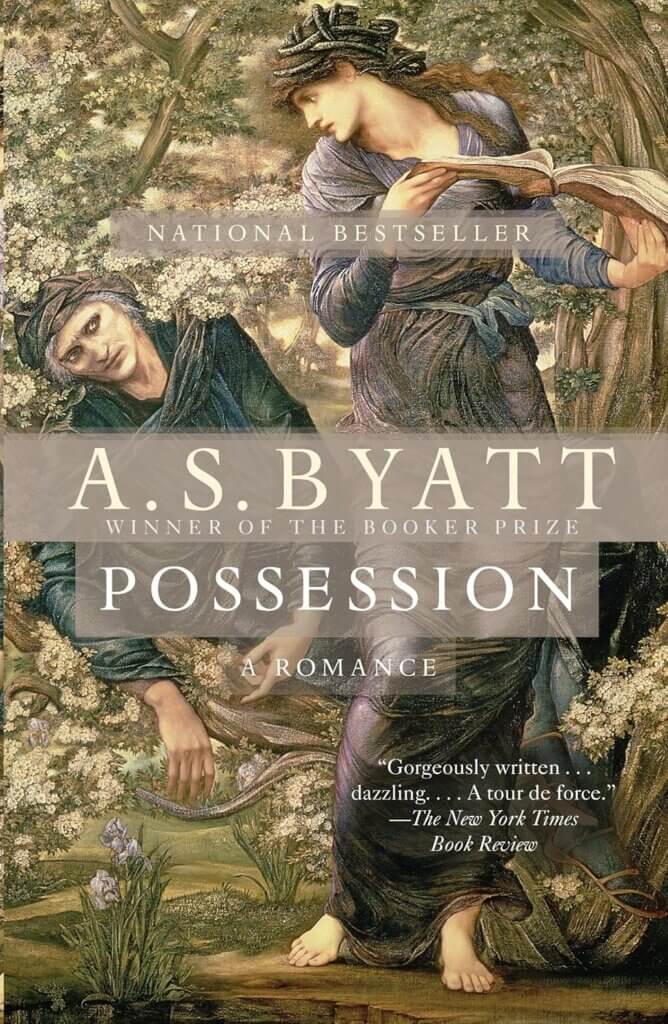
For those who want a contemporary story along with Victorian melodrama, “Possession,” by A.S. Byatt (Vintage) is the Booker Prize winner that delivers. Byatt, a rather dry and dusty writer sometimes, poured all of her talent into this tale of two 20th-century literary scholars investigating two poets’ connections from the 19th century. Their research quest becomes a race against time as others join in the hunt, one as exciting as any thriller. A lovely picture book by the wonderful Barbara McClintock is one I return to for my own pleasure: “Dahlia” (Purple House) does an amazing job of depicting Victorian England with the story of a feisty girl who, given an unwelcome doll, discovers imagination and courage can transform any relationship into a loving one.
Most of us read for pleasure but sometimes consciously for improvement. “Lost in Thought: The Hidden Pleasures of an Intellectual Life” by Zena Hitz (Princeton) is one of the great books about being hopelessly invested in the humanities and being unable to stop reading, thinking, and talking about this passion. Her essays about realizing that doing something you love can never be wrong, and how Hitz built a satisfying life doing just that, are terrifically inspiring.
“Much Ado About Nothing” is my favorite Shakespeare play, and I’ll watch any production of it. I don’t mind an irreverent take on the master playwright, and I stumbled upon a link to a new BBC offering, “The Talented Mr Shakespeare,” starring Mark Gatiss. It’s laugh-out-loud funny and still available, so search for it on BBC Sounds for a good listen.
“Ordinary Time: Lessons Learned While Staying Put” by Annie B. Jones (HarperCollins) has become a new favorite. I loved the book after reading an advance copy, so now I’m listening to the audio. Jones is an independent bookstore owner in Georgia and the host of a podcast, “From the Front Porch.” She is also a Christian who struggles to find a church to match her often liberal, inclusive views on the world. Her life choices have not always led her to where she expected to be, but her finding purpose in a small town, doing hard work for the greater good — like running a local bookstore — and looking for joy in daily small rituals is relatable and inspiring.
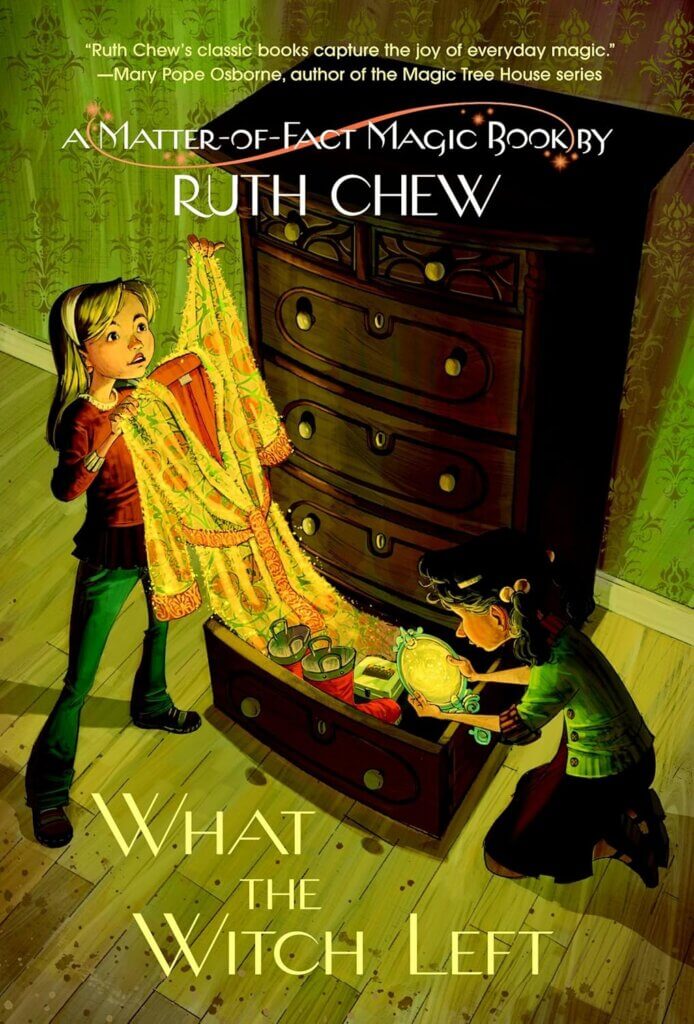
There are many children’s books on a comfort shelf, as we probably associate those reads with family, places, and times past that are still beloved. Help your child to discover a series, perhaps one of the great fantasies that can change meanings as one ages. The early chapter books of Ruth Chew fill a niche for young readers who are ready to imagine the sort of mischief that could happen if you met a witch in the park or borrowed the wrong broomstick. They are still in print, so start with “What the Witch Left” or “Secondhand Magic” (Random).
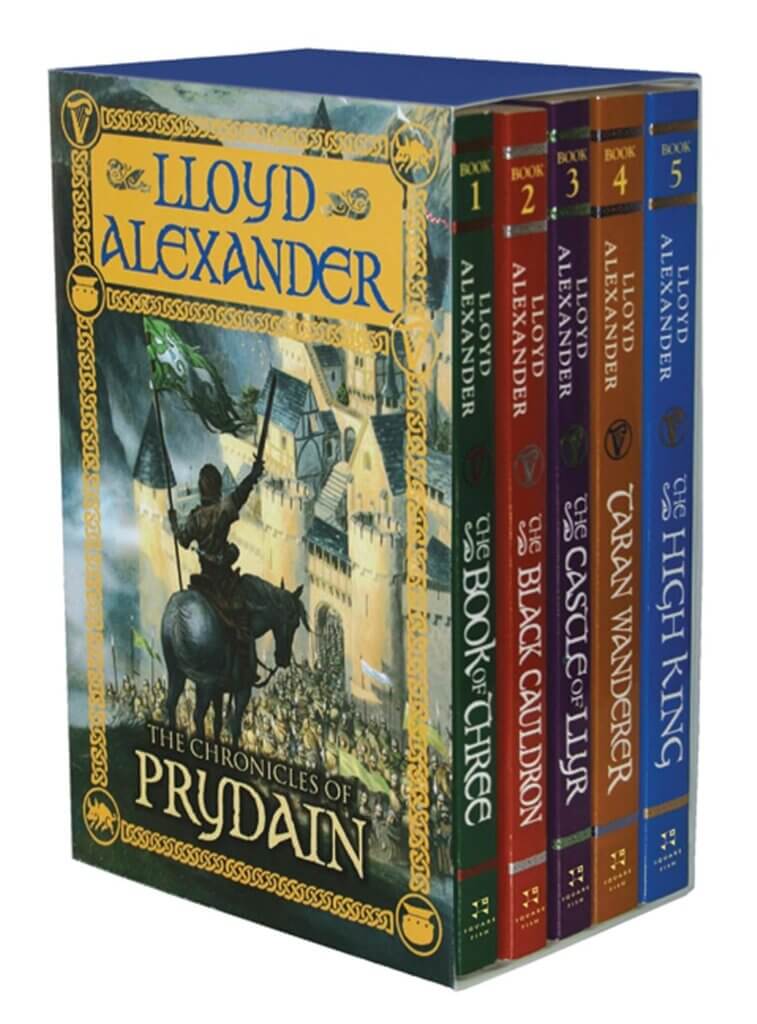
Then move on to the C.S. Lewis Narnia books, Harry Potter or “The Chronicles of Prydain” (Square Fish) by the great American fantasist Lloyd Alexander. The first title of that series, “The Book of Three,” is a rip-roaring adventure where Taran, an assistant pig keeper and would-be hero, finds adventure is more than he bargained for.
As for teens, keep trying with books from the library, or their favorite bookstore, or offering up something from your own shelves. With any child, read along with them, ask why they love a particular book, and be willing to pack it away to rediscover one day.