Reviews & Views: Have book, will travel
Travel can be occasionally difficult, so reading can be an escape from the demands of being on holiday.
A recent family trip to Paris made me think about how travel affects reading habits. Can one read at all while everything around you is in a state of change?
Travel can be occasionally difficult, so reading can be an escape from the demands of being on holiday. After hours of walking and gazing and trying not to trip over cobblestones, it’s something to look forward to, curling up and relaxing, particularly if you’ve been taxing your brain trying to speak another language all day. I don’t mean a guidebook; as gorgeous and essential as they are, they can feel like work, too.
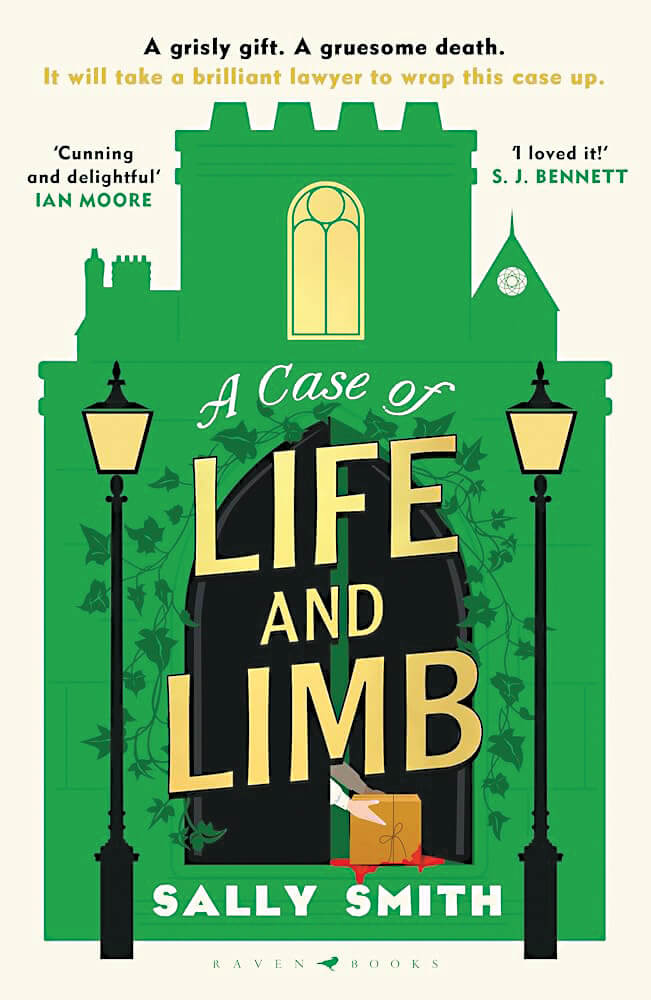
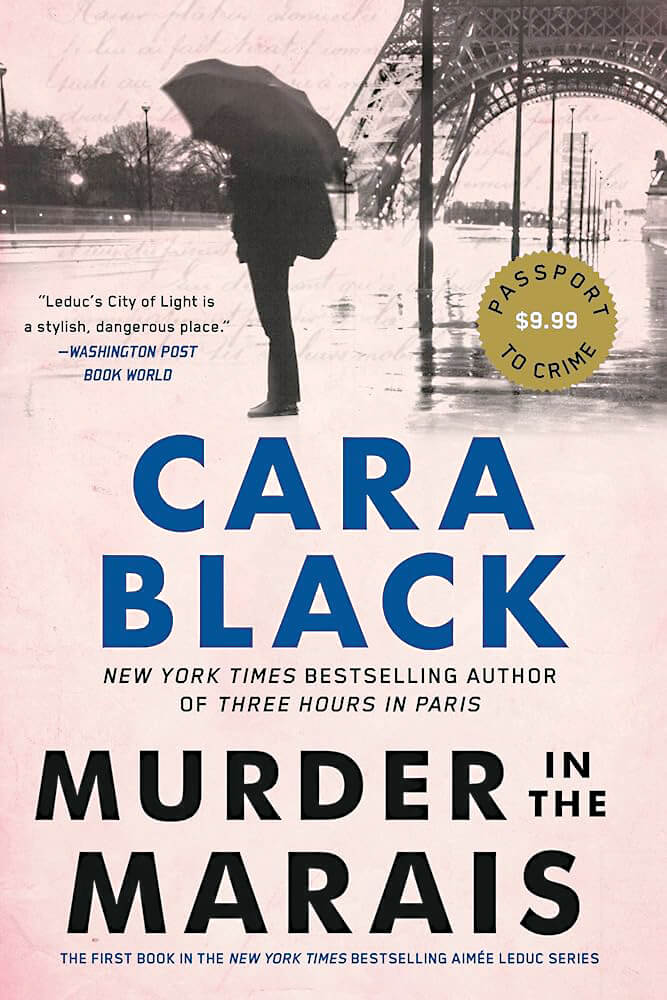
I like to check out airport bookstands, but with publishers pulling back on mass-market paperbacks, the selection of hardcovers and trade paperbacks at the gate is much more expensive. Of course there’s a Kindle to stock with reads in case you can’t find the perfect physical book, but remember to bring an adapter to charge it. My husband loves Kindle, and though he doesn’t usually read mysteries, he tried “A Case of Life and Limb” by Sally Smith (Raven Books). He found the second in the Cases of Gabriel Ward books set in early Edwardian London’s Inner Temple entertaining and liked learning about the legal systems at play while puzzling out whodunit. I have the Aimée Leduc Investigations series by Cara Black (Soho Crime), all set in Paris neighborhoods. (First up is “Murder in the Marais.”) Aimée is spiky and smart and ages like a real person throughout the books as she solves crimes in an often unromantic city.
Once you’ve arrived, find a bookstore or magazine shop that has English language publications. It’s grounding to recognize all the words after being stumped by a cafe menu. I bought an international New York Times edition, and everyone in the family read something in it. Then when you go back to struggling to order a tea in French with whole milk, no sugar, you won’t feel like your brain has broken.
If you need inspiration that speaking immaculate French is possible for any American, try viewing Jodie Foster in her latest film, “Vie Privée” or “A Private Life.” It’s an entertaining psychological mystery, set in an intriguing and slightly intimidating Paris.
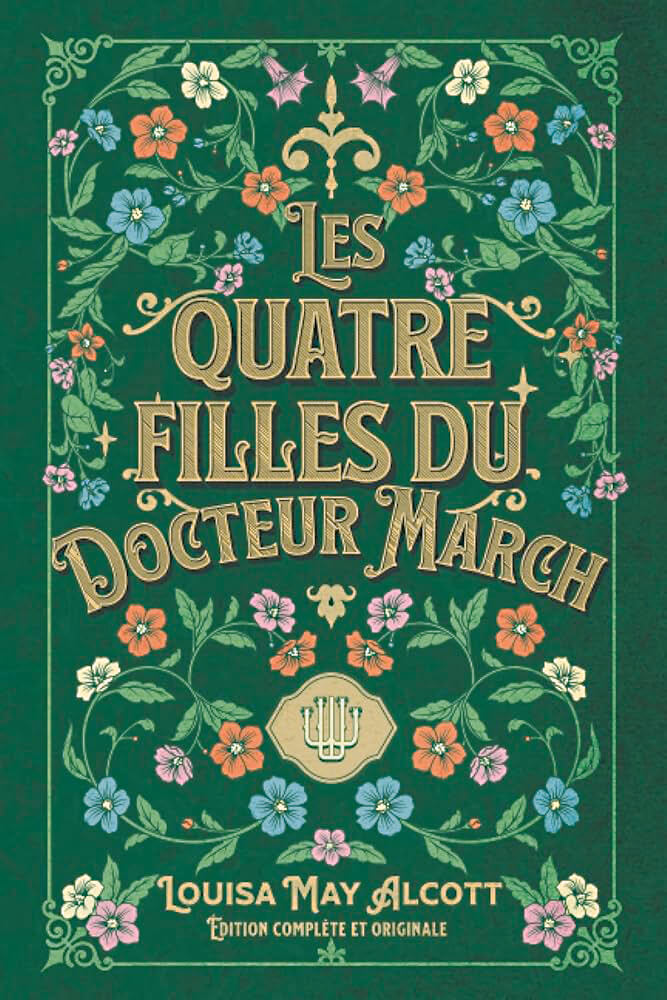
I read a little bit in French before the trip to get the rust out; an old trick is to read a children’s book you know well enough that as you reread in another language, you will actually comprehend what you’re reading. This time I chose “Little Women” or, en français, “Les Quatres Filles Du Docteur March.” It was strangely comforting that the character’s personalities and adventures came through as strongly as ever, even as I had to look up words for bonnets and food. What an astonishingly immediate tone Louisa May Alcott had with this book, forever unaltered by time.
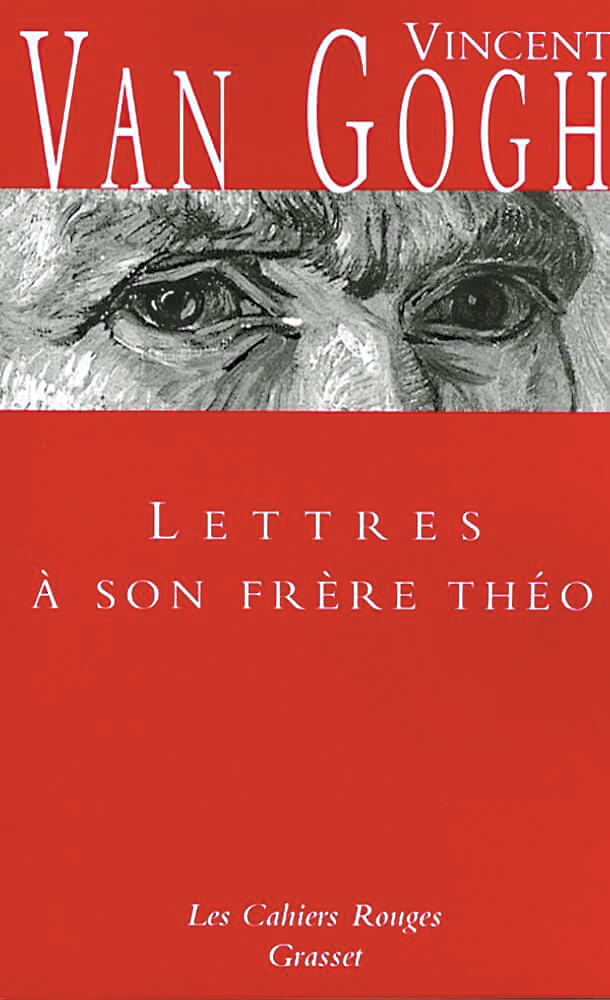
While in Paris I passed several stacks of books on the cobblestone curb meant for the taking. I picked up “Lettres à Théo” (“Letters to Theo”) by Vincent Van Gogh (Gallimard), his missives to his supportive brother who believed in Vincent’s genius, to the point of opening a gallery in Paris to showcase Vincent’s work. Did I mention they’re in French?
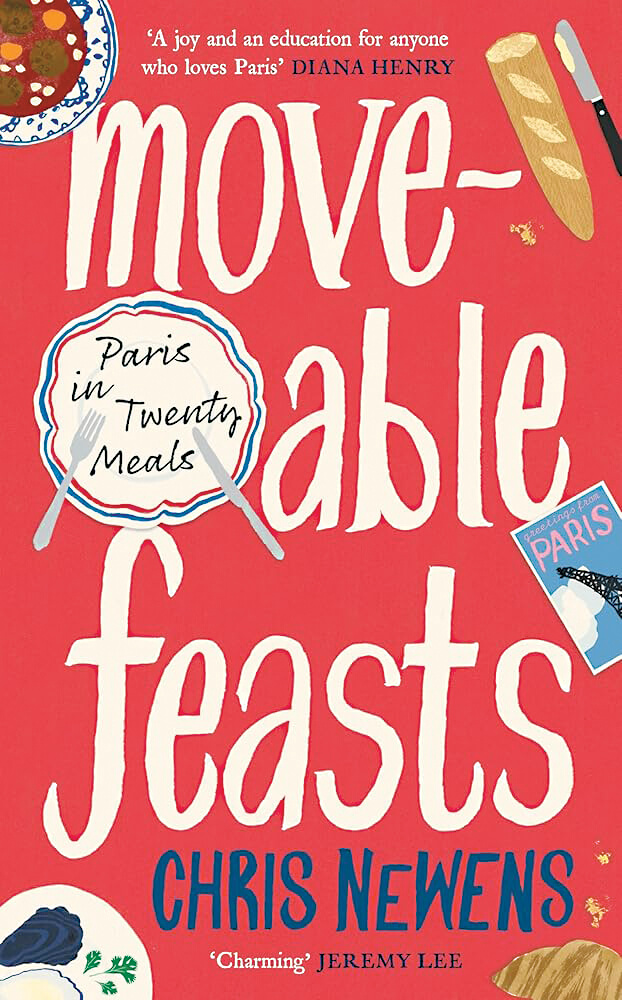
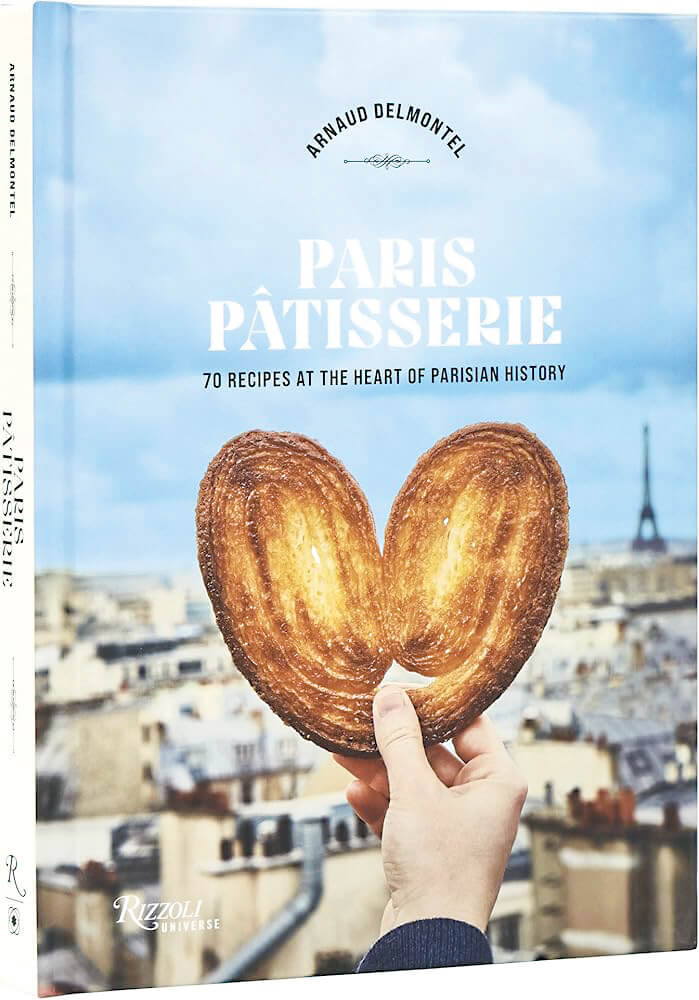
I have found a good culinary history can be helpful to understand not only the all-important culture of food, but also the spirit of the place. I picked up “Moveable Feasts: A Story of Paris in Twenty Meals” by Chris Newens (Pegasus Books). Even if I didn’t visit any of the restaurants mentioned, I learned again how Parisians cherish every mouthful as a way of living history. In a local bookshop, I studied “Paris Patisserie: 70 Recipes at the Heart of Parisian History” by Arnaud Delmontel (Rizzoli), a chronicle of the French capital’s most famous patisseries and recipes for their signature bakes. I was under strict orders not to bring a heavy book in our luggage, but one day I’ll try my hand at the Paris Savoy, a sponge cake that I suspect has more eggs and butter than any pound cake I’ve ever made.
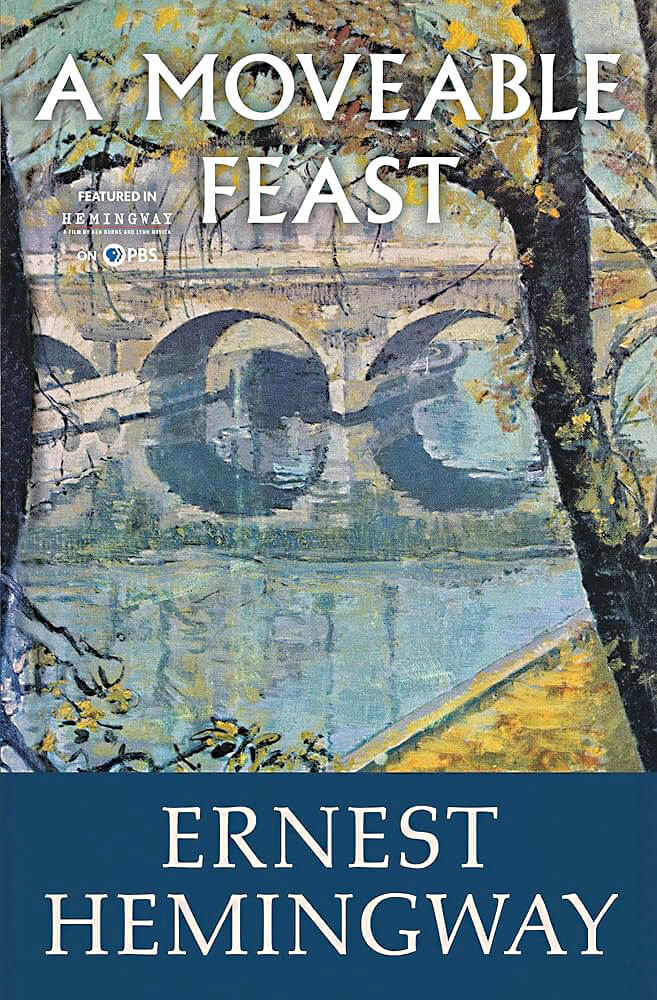
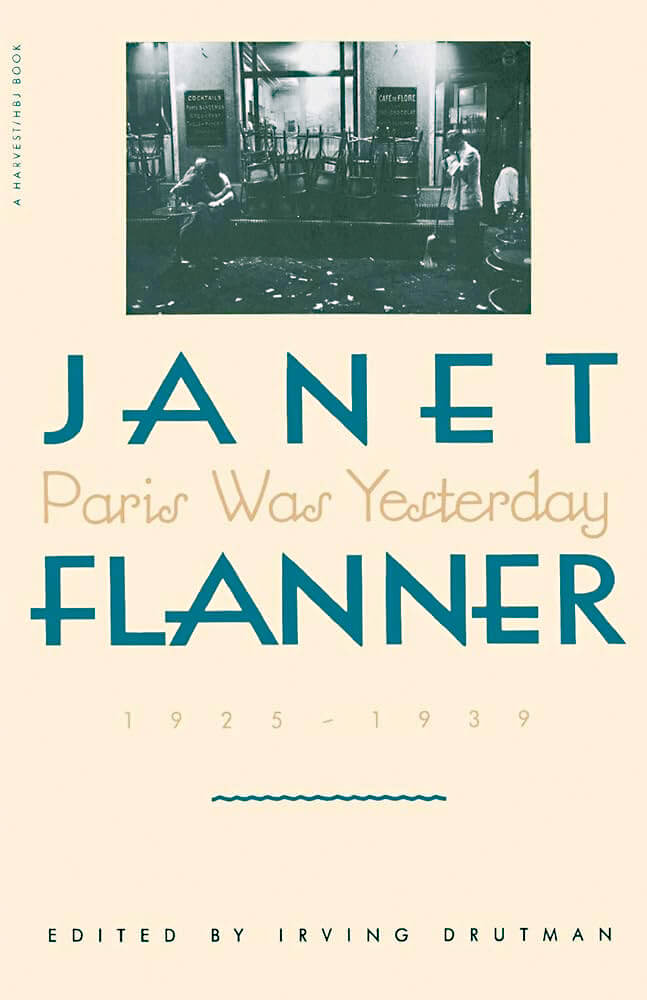
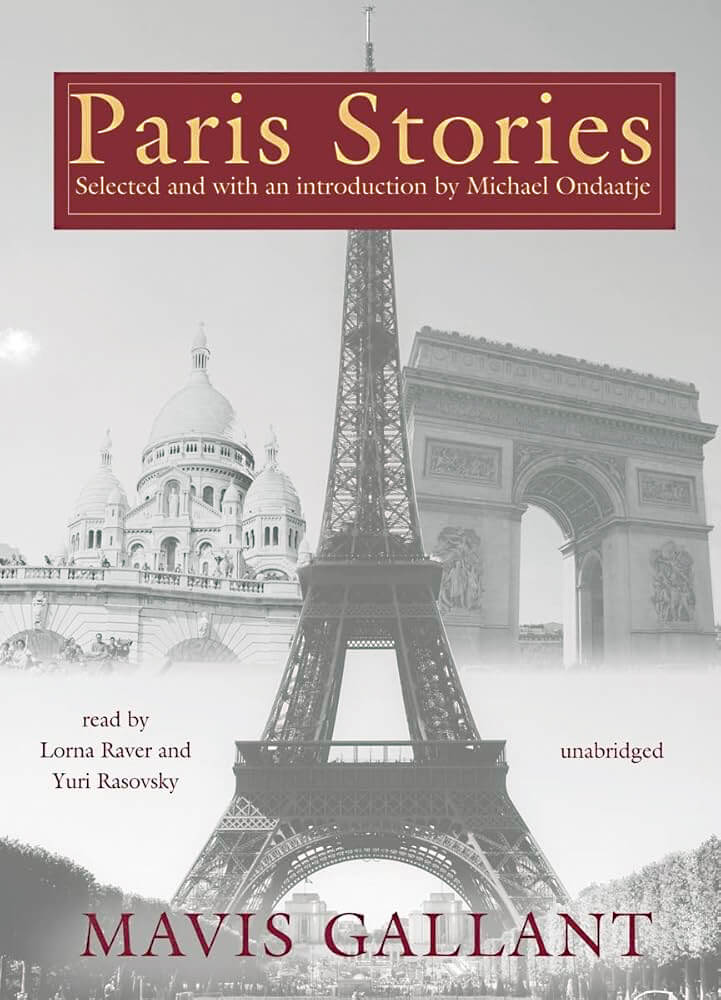
I thought of rereading Ernest Hemingway’s immortal “A Moveable Feast” (Scribner), his memoir of living in 1920s Paris with no money but loads of gusto for life, or Janet Flanner’s “Paris Was Yesterday” (Harper), her perennially witty column on everything French, which ran in The New Yorker for half a century. I instead chose to read Mavis Gallant’s “Paris Stories” (NYRB), short tales more attuned to the outsider’s perspective on trying to understand the elusive French character.
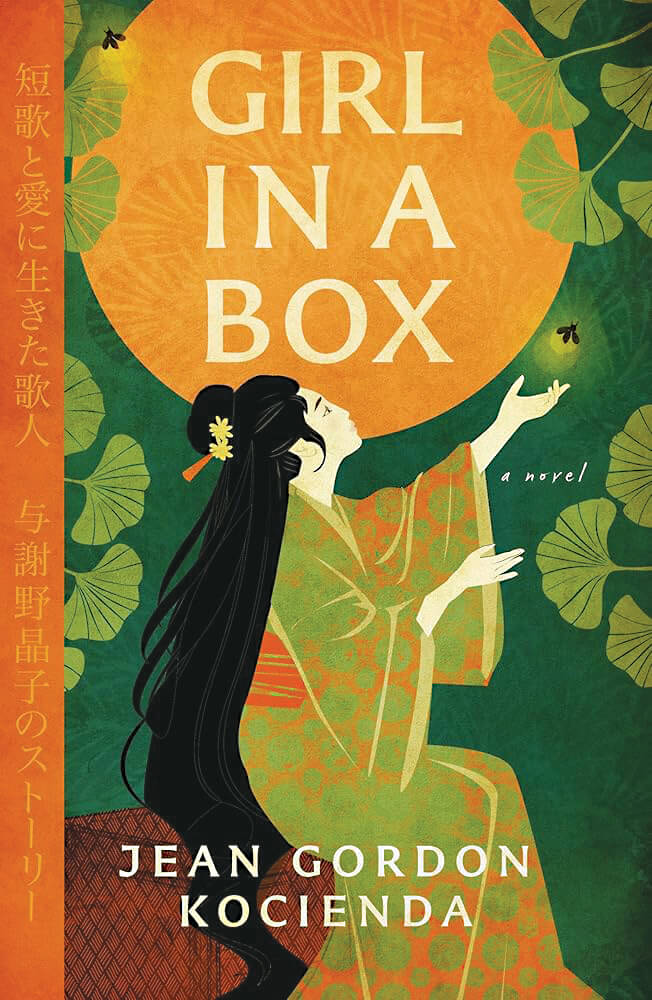
I asked a local bookseller for a similar read and was told to try “Girl in a Box” by Jean Gordon Kociendo (Sybilline Press), which she gave me in an English translation. It’s a fictionalized biography of Yosano Akiko, a Japanese rebel and poet who ran off to pursue her art and independence, living in Belle Époque Paris with her lover and translating the first English version of “The Tale of Genji.”
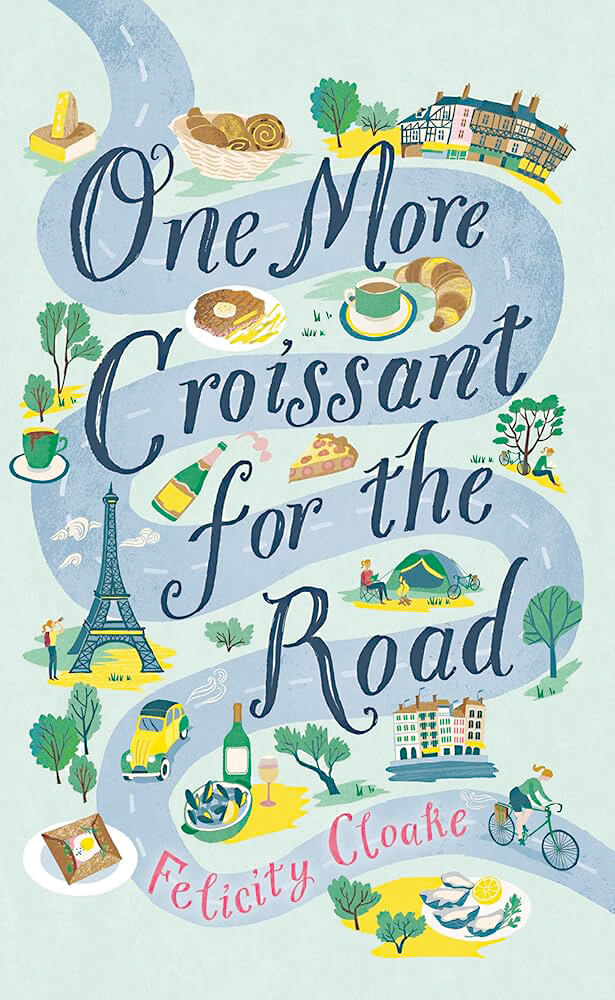
I listened to “One More Croissant for the Road” by Felicity Cloake (HarperCollins), narrated by the author. It was a very funny read as she cycles through France gorging herself on food and scenery. Cloake is wildly amusing, but what makes the book universal are all the misadventures she has while enjoying herself enormously, a reminder of the importance of a sense of humor while traveling.
Of course you’ll feel melancholy when you leave a place like Paris, even if you’re more than ready to go home. I will read more books about Paris long after my trip. If I want a mass-market paperback, perhaps even in French, I can find plenty at the Acton Free Public Library’s Bookshop at the Main Library, or at the Friends of CFPL’s June Book Sale on Saturday, June 6. Time to dream of your next holiday — or of the summer to come.