Reviews & Views: Love ’em or leave ’em
I rarely put negative reviews here because there are so many good books to recommend. That does not mean I like everything I read.
A kind gentleman stopped me in an aisle of Crosby’s to ask if I could occasionally review books that I did not like, to help him make better reading choices. I explained I rarely put negative reviews here because there are so many good books to recommend.
That does not mean I like everything I read. After reading quite a bit of what you don’t like (in my case, literary criticism by anyone French) it remains a blissful treat to keep on reading books you like. But if, like the man at Crosby’s, you must know a few recent disappointments of mine, here goes:
HearttheLoverTwistAuditionRoomsforVanishingTheEightsTheBookshopBelowSoOldSoYoungBethIsDead.
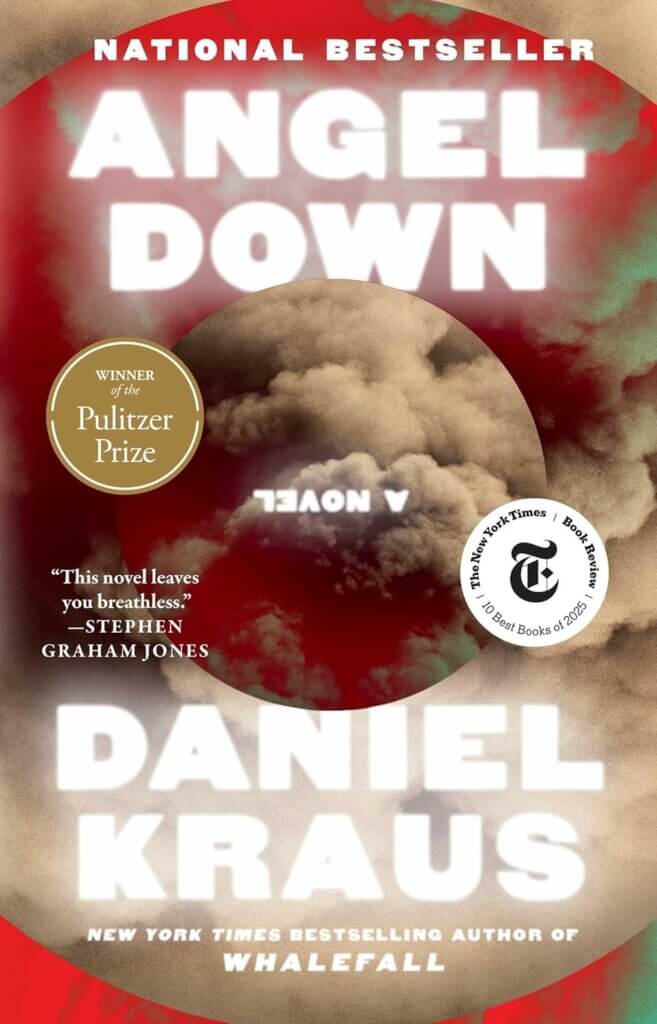
I tend not to finish books I don’t like because life is too short to waste reading something boring. It might not be a tedious read for someone else, of course. Recently, “Angel Down” by Daniel Kraus (Atria) failed to impress. Even though it just won the Pulitzer Prize, that’s no guarantee it’s a good read. It will sell and assuredly be made into some kind of screen adaptation. No spoilers, but it has the most irritating celestial being I’ve ever encountered in fiction. Which reminds me: I have to tackle“Paradise Lost” again; I’ve never made it through John Milton’s epic poem. Perhaps instead I’ll watch the final series of the “Good Omens” series on Prime, with Michael Sheen and David Tennant as an angel and a demon stuck on earth. Delicious fun!
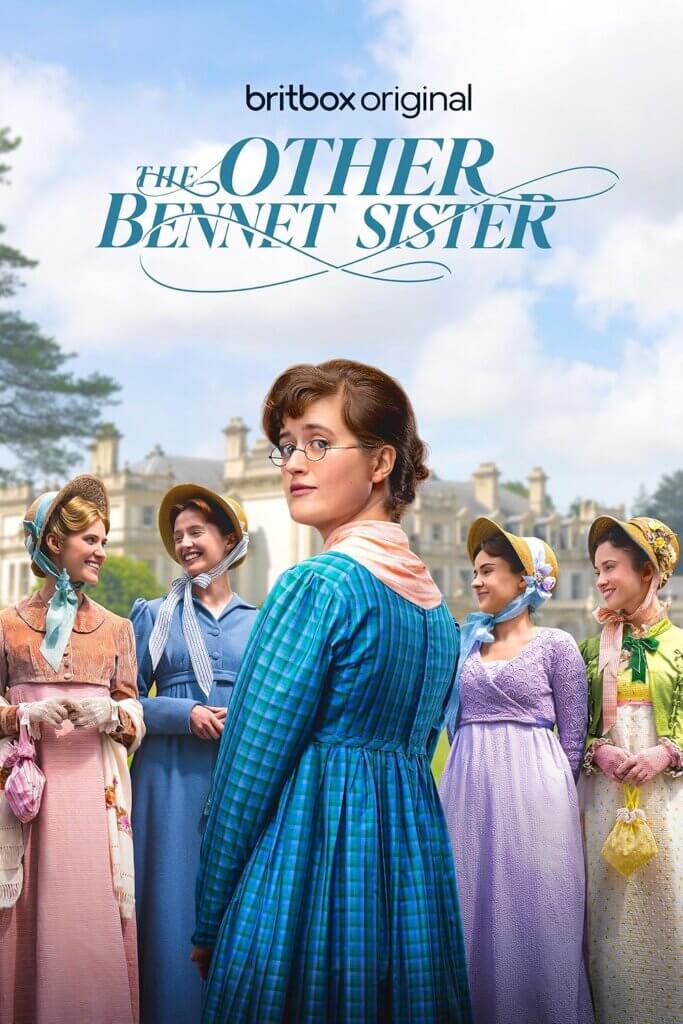
“The Other Bennet Sister” by Janice Hadlow (Holt) was perfectly adequate as an Austen spin-off, but as a series on Britbox, I was riveted by a new perspective on a book I thought I understood perfectly.
Some writers are not easy, challenging us profoundly, so we avoid them. Thomas Pynchon, David Foster Wallace, Joyce Carol Oates are all authors I’ve tried, tried again, and given up on, but some people swear they’re amongst the greatest authors. That’s what’s so wonderful about reading, bookstores, and libraries — there’s always another book to try, or try again.
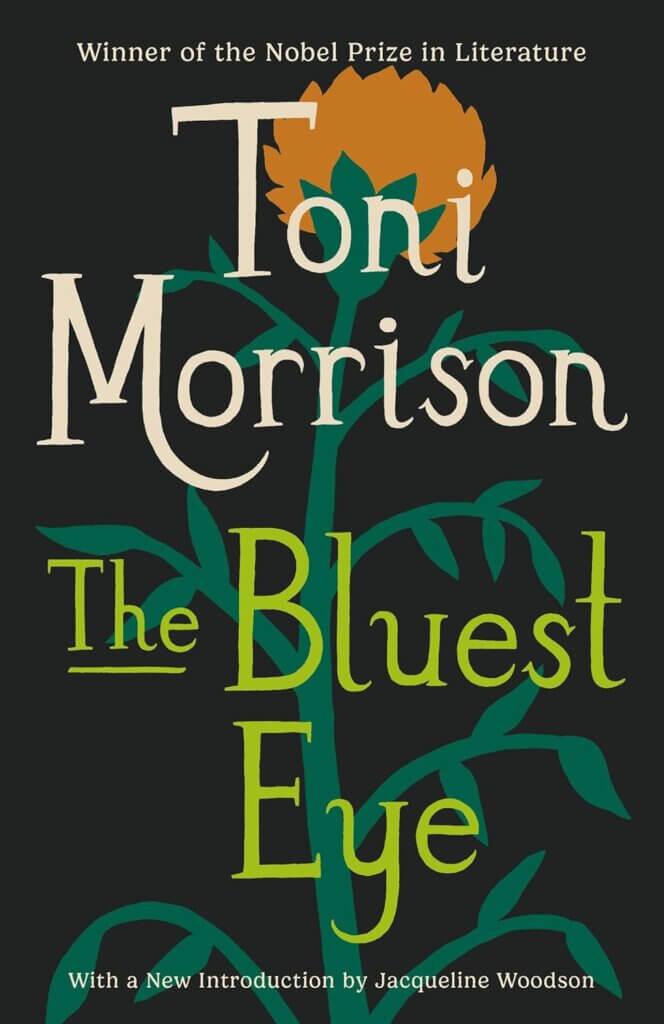
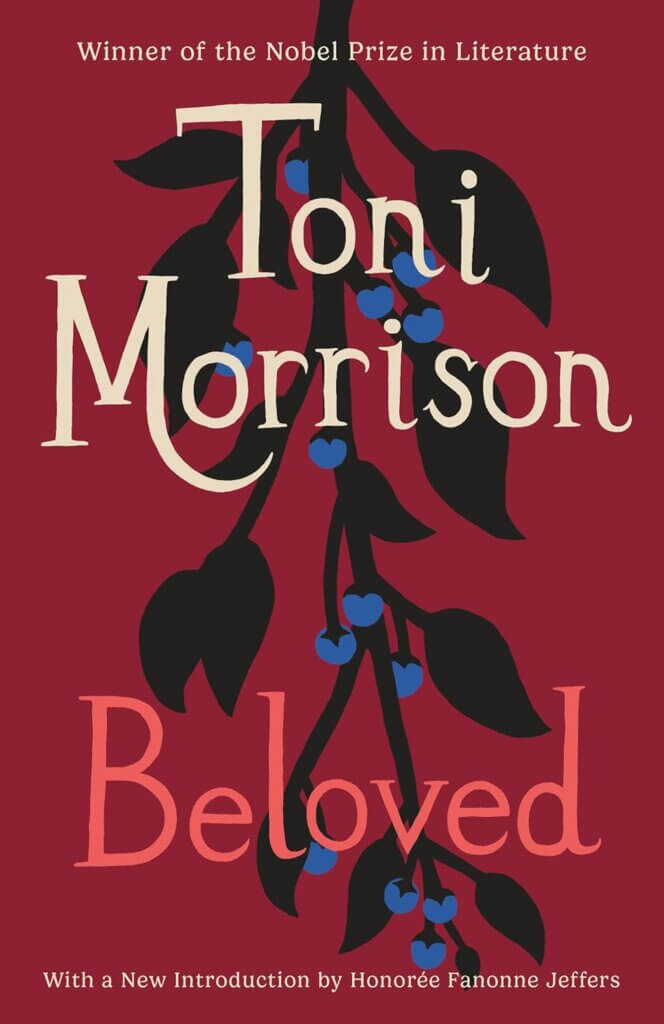
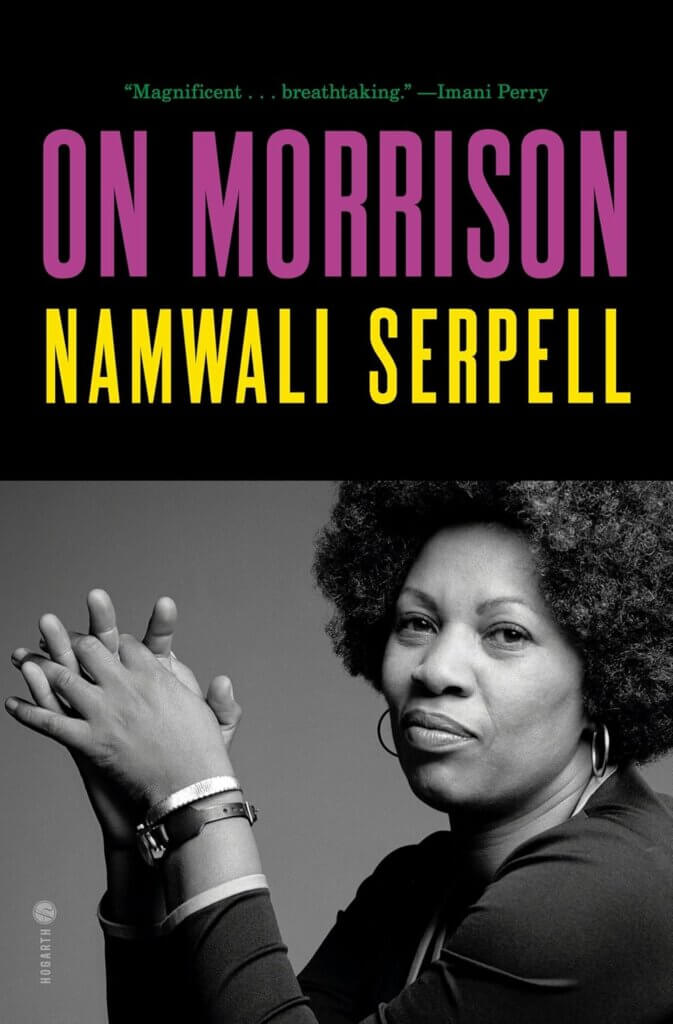
I read “The Bluest Eye” by Toni Morrison (Vintage) when I was too young to grasp its truth along with its despair. The tragic ending put me off Morrison for years, a tribute to the power of her writing. Then “Beloved” (Vintage) came along, and I realized I had to tackle her books anew. As one of our nation’s most banned authors, Morrison merits a new book of criticism, “On Morrison” by Namwali Serpell (Hogarth), arguing for her greatness and complexity.
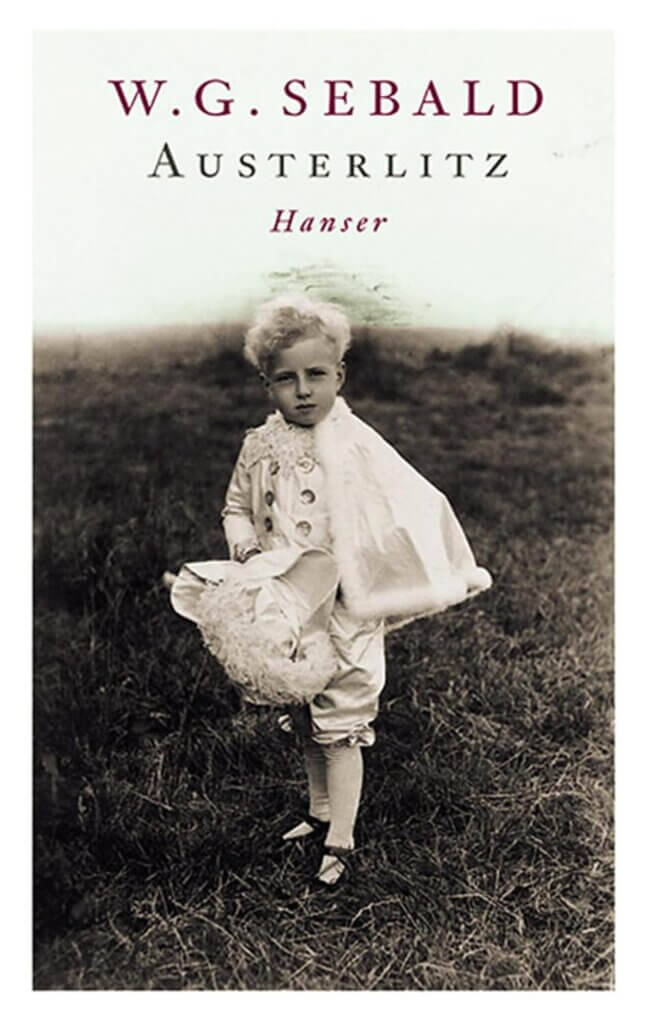
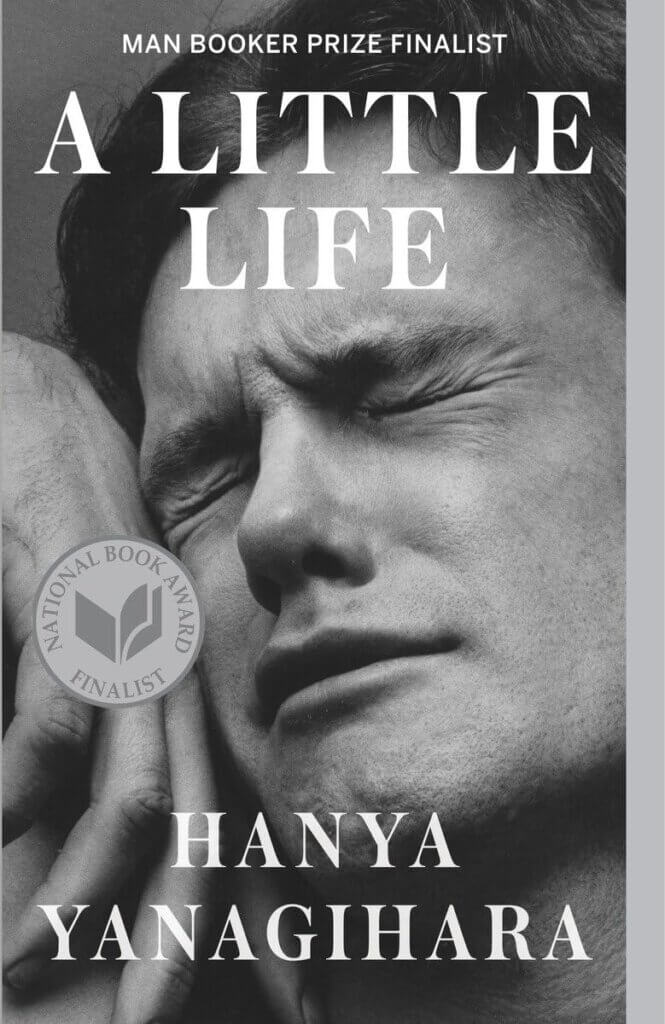
One colleague adored everything by W.G. Sebald, the once-obscure Anglo-German writer of novels and essays that mixed visual ephemera, travel, history, and autobiographical details. I tried “Austerlitz” (Random) several times and ultimately made it through, finding the style chilly but weirdly memorable. My friend also loved “A Little Life” by Hanya Yanagihara (Doubleday.) One of the most disturbing books I ever tried, it made me miserable, despite its popularity. I have a similar feeling about “Yesteryear” by Caro Claire Burke (Knopf), already one of the biggest books of this year. I’ve tried it several times, but so far, it’s not sticking.
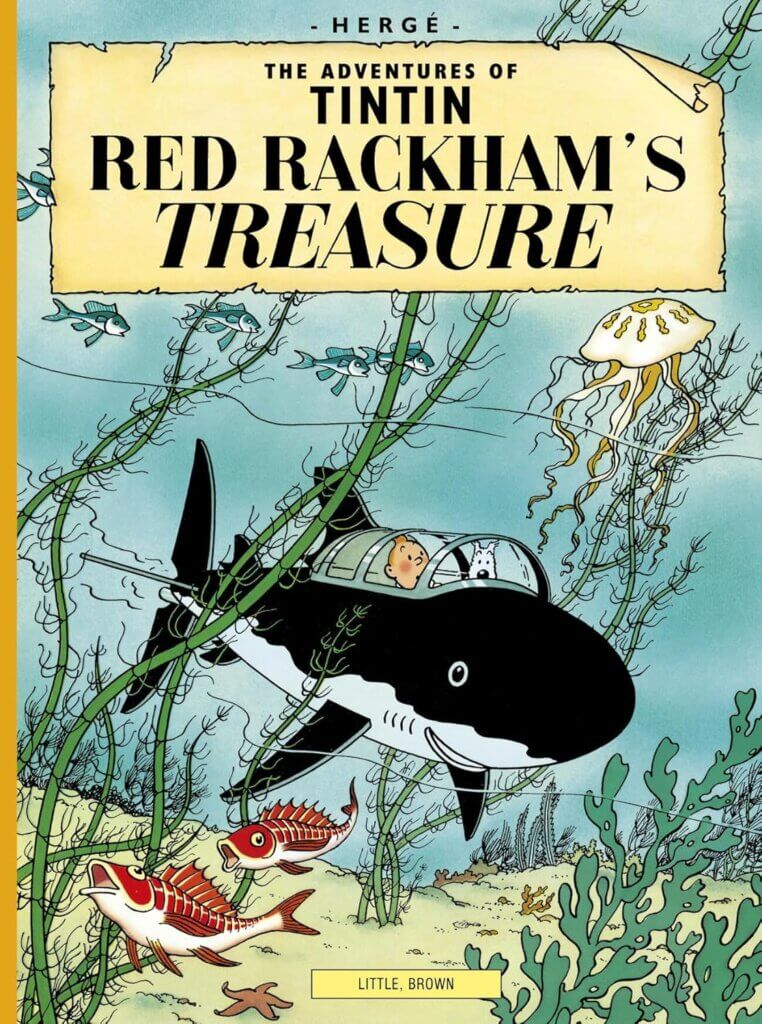
Telling children they don’t have to like a book is a treat just to see their expressions; the challenge lies in getting them to keep trying to find one they do like. The minute you say you loved a book as a child and they’ll love it, too, you may be setting everyone up for guilt and a sense of failure. That said, you can’t go wrong with the “Adventures of Tintin” books by Hergé, still in print and still popular because they’re so darn entertaining. My favorite is “Red Rackham’s Treasure” (Little, Brown), the first I ever read and the one that got me hooked.
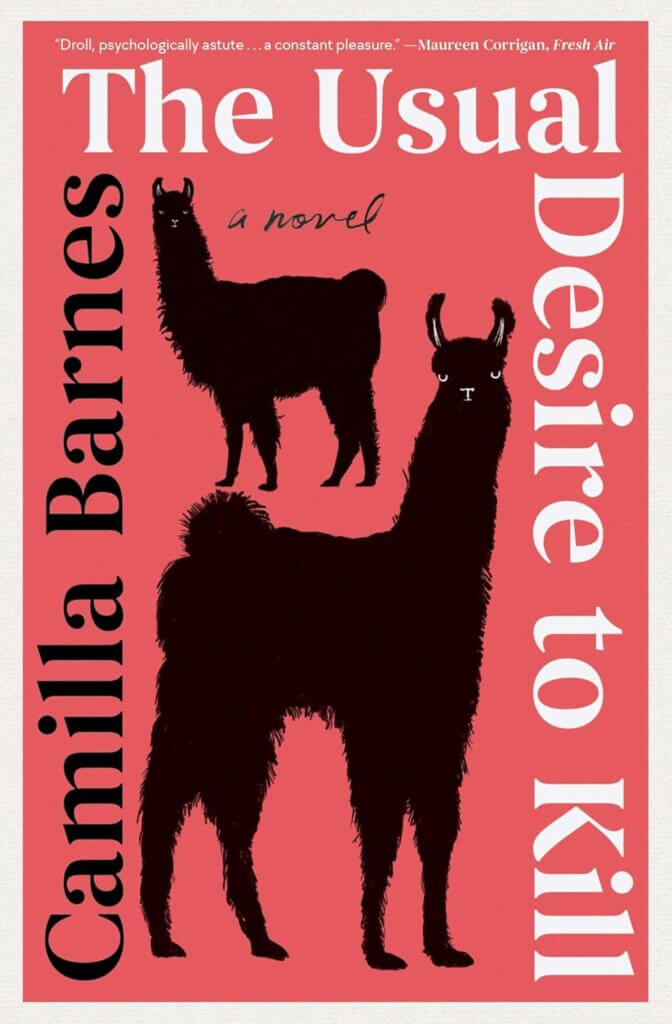
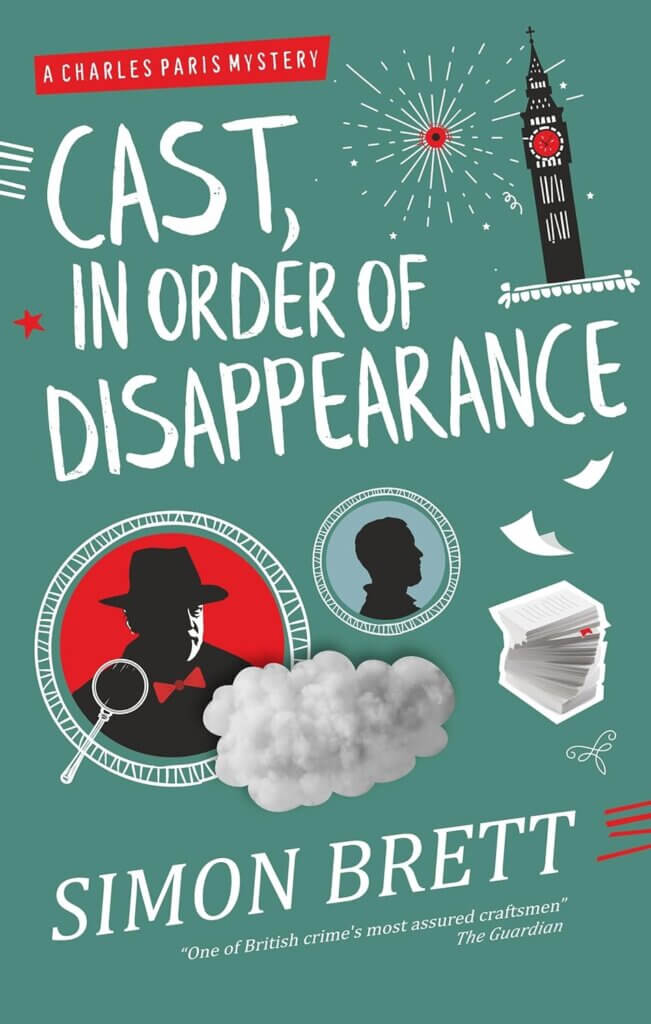
“The Usual Desire to Kill” by Camilla Barnes (Scribner) was sent to me with tremendous word-of-mouth, but I found the first chapters a bit arch and set it aside. Then I found myself wondering what happened with the intergenerational conflict between an exasperated middle-age daughter struggling to help her intelligent, eccentric, and seemingly contrary parents face some of the problems of aging. I laughed and winced on my second try and am predicting who will star in the inevitable adaptation — Joanna Lumley, Bill Nighy, and Gillian Anderson would do nicely. Likewise, I found the Charles Paris mysteries by Simon Brett tedious until Nighy started recording them for the BBC. He brings humor, intelligence, and heaps of louche charm to Paris, an average actor turned reluctantly successful detective in a series of murderous theatrical ventures. They’re available on Audible; start with “Cast, In Order of Disappearance” (Severn).
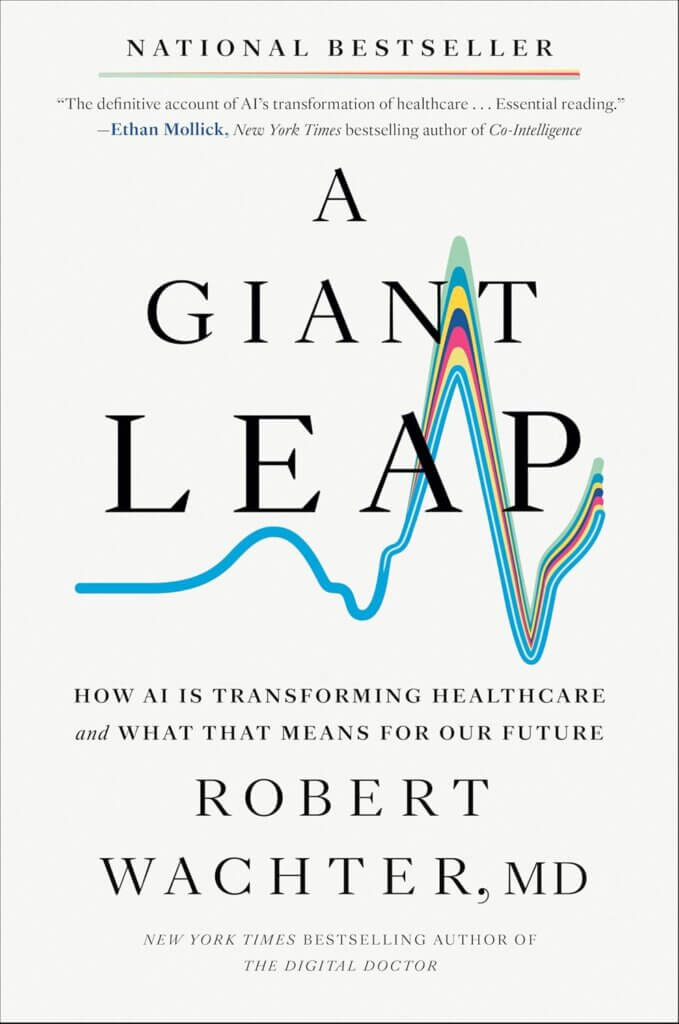
I’m facing up to reading about topics I sometimes avoid. “A Giant Leap: How AI is Transforming Healthcare and What That Means for Our Future” by Robert Wachter, M.D. (Penguin/Portfolio) is waiting, as I live with someone who has been thinking about this for ages, but I’ve never understood most of what he’s saying. And to make me feel better that I don’t listen to the news as much as I used to is “How Not to Know: The Value of Uncertainty in a World That Demands Answers” by Simone Stolzoff (Norton) examines biases that drive us to interpret the news and the strength in letting go of understanding.
How you feel about a book is intensely personal. There’s always another to try, and it may be one you can’t imagine ever finding. Worth the risk, and there’s no law that you have to like it — or even finish it.
Views expressed are solely the author’s.