Reviews & Views: My bookshelf, ’tis of thee …
As the nation celebrates another milestone, why not read a book to spark your interest in finding a shared vision of America in these peculiar times?
America’s bicentennial year, 1976, was when my family took our first trip to Disney World. Every day, parades celebrated the 200th birthday. They featured giant, bobble-headed figures — mostly white, mostly male, all grinning — marching up and down Main Street USA alongside Mickey and friends in Revolutionary period costume.
They were terrifying to 10-year-old me, despite the energy of the crowds cheering for this cartoonish extravaganza. I put my confusion down to being Canadian and kept on enjoying the rides.
Now I’m American, my older daughter is in D.C., and she’s reporting having that same uncertain feeling as the city is decorated for the 250th anniversary of the Founders’ signing of the Declaration of Independence. I imagine many of us want to honor a celebration of American history but are struggling with how to acknowledge moral complexity and differing historical perspectives.
We had our own 250th celebration of the Revolution in Acton last year, and it was a blend of sober reflection and fun. We seem to have managed to address that the history was messy and complicated, as well as joyful and inspiring.
As the nation celebrates another milestone, why not read a book to spark your interest in finding a shared vision of America in these peculiar times?
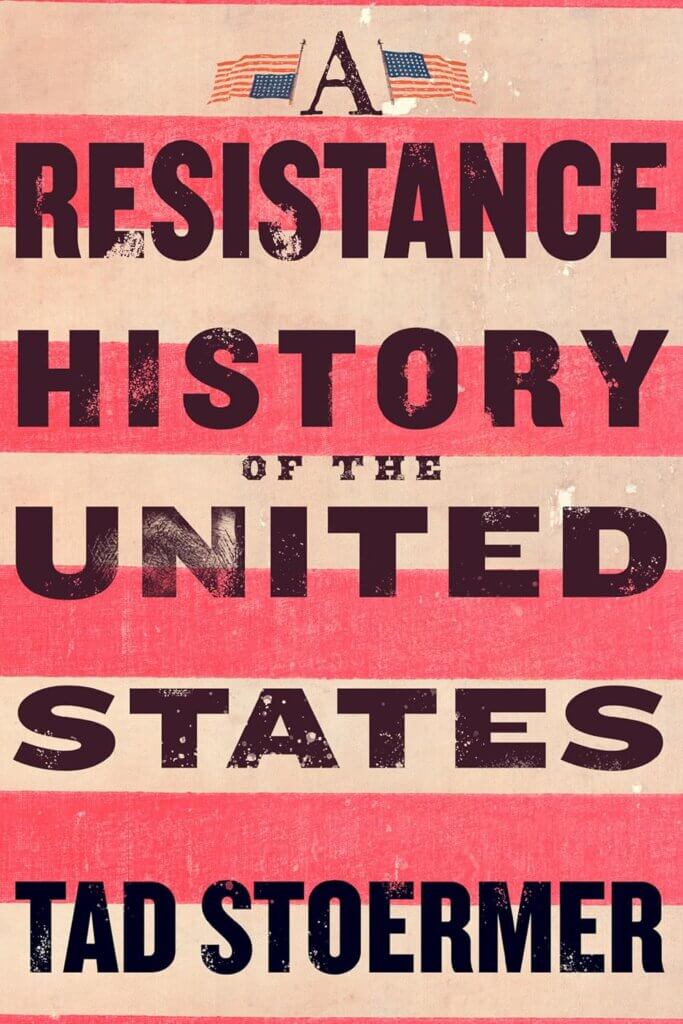
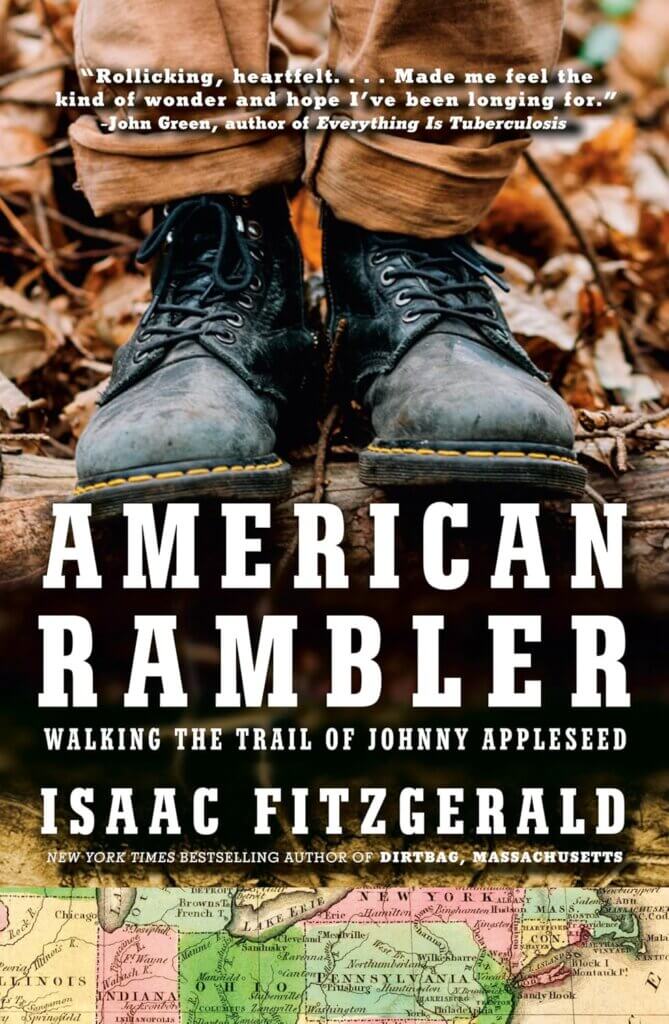
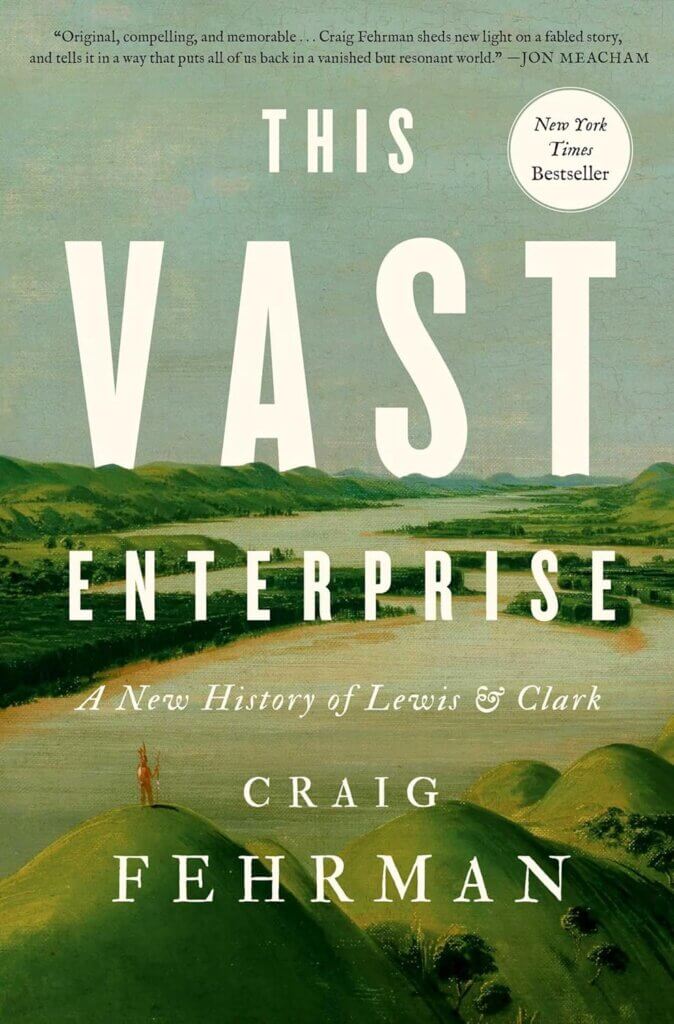
“A Resistance History of the United States” by Tad Stoermer (Steerforth) examines how some of the more fraught political debates of the past 250 years — and how facing up to our current differences — can help us plan for a better future. “American Rambler: Walking the Trail of Johnny Appleseed” by Isaac Fitzgerald (Knopf) is a celebration of many great American themes — nature, landscape, agriculture, and community — in this biography of one of Massachusetts’ most influential natives. The New Yorker had such an interesting review of “This Vast Enterprise” by Craig Fehrman (Avid Reader Press) that I have to read this account of Lewis and Clark’s expansionalist “enterprise” that uses the perspectives of others who made the journey with them, including Sacagawea and York.
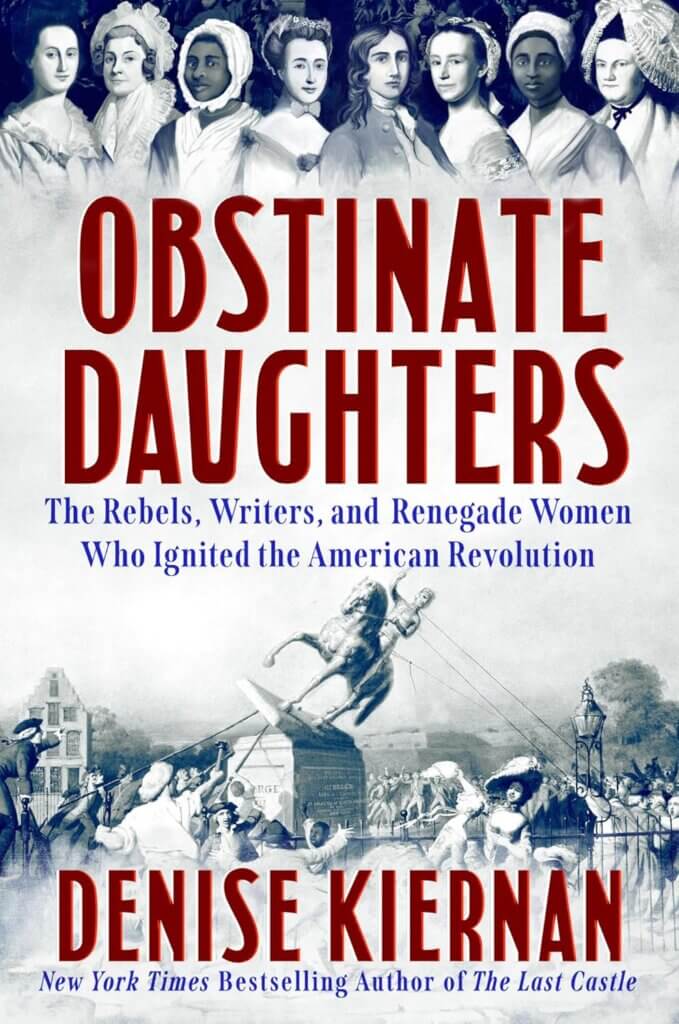
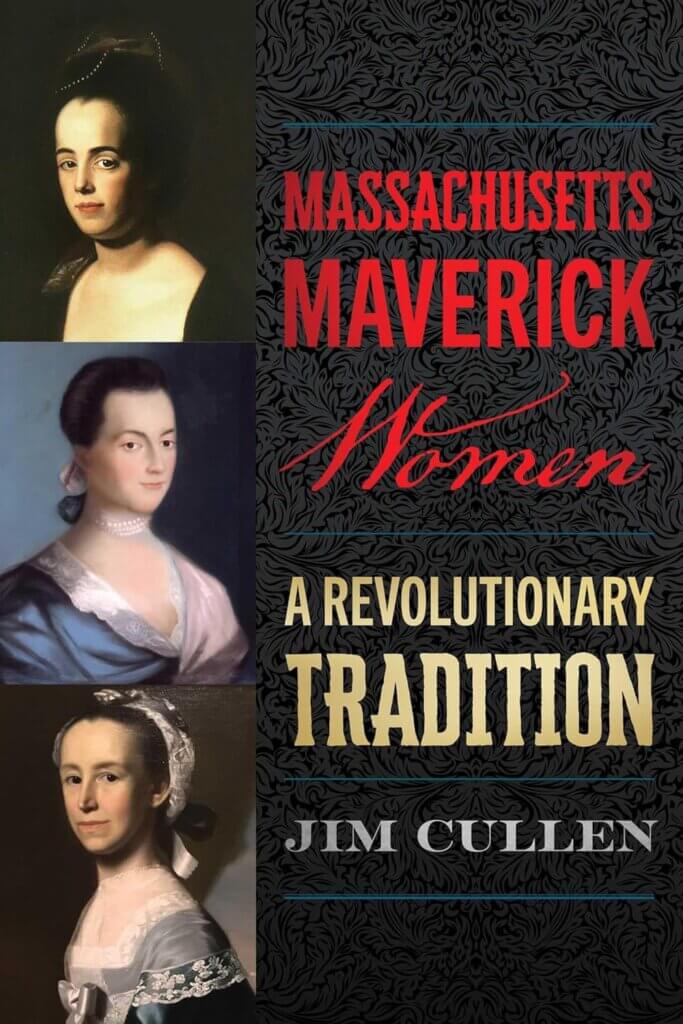
I’m intrigued by “Obstinate Daughters: The Rebels, Writers, and Renegade Women Who Ignited the American Revolution” by Denise Kiernan (Dutton) and learn about all the women who helped to ignite the Revolution’s fire. I’ve heard that “Massachusetts Maverick Women: A Revolutionary Tradition” by Jim Cullen (Globe Pequot) brings a fresh perspective to our own feminist New England history.
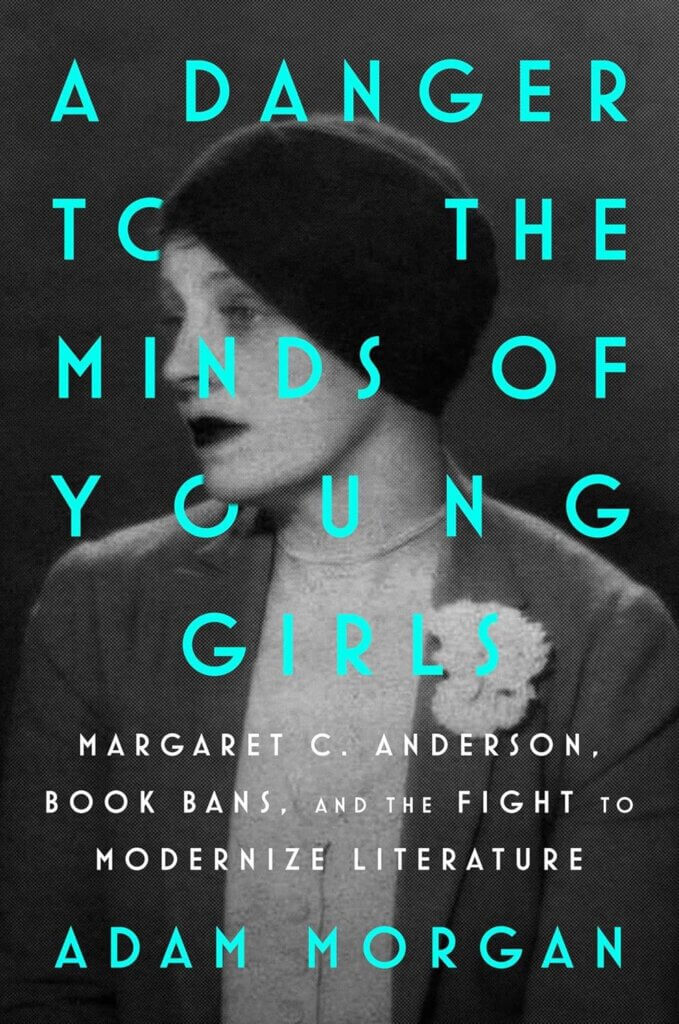
“A Danger to the Minds of Young Girls: Margaret C. Anderson, Book Bans, and the Fight to Modernize Literature” by Adam Morgan (One Signal/Atria) is a superlative biography of a woman I’m ashamed to know so little about but so glad to have discovered. How many stupid decisions have been made by the patriarchy supposedly to protect women’s minds? Anderson was wise to the dangers of censorship and misogyny disguised as protective benevolence. A brilliant American.
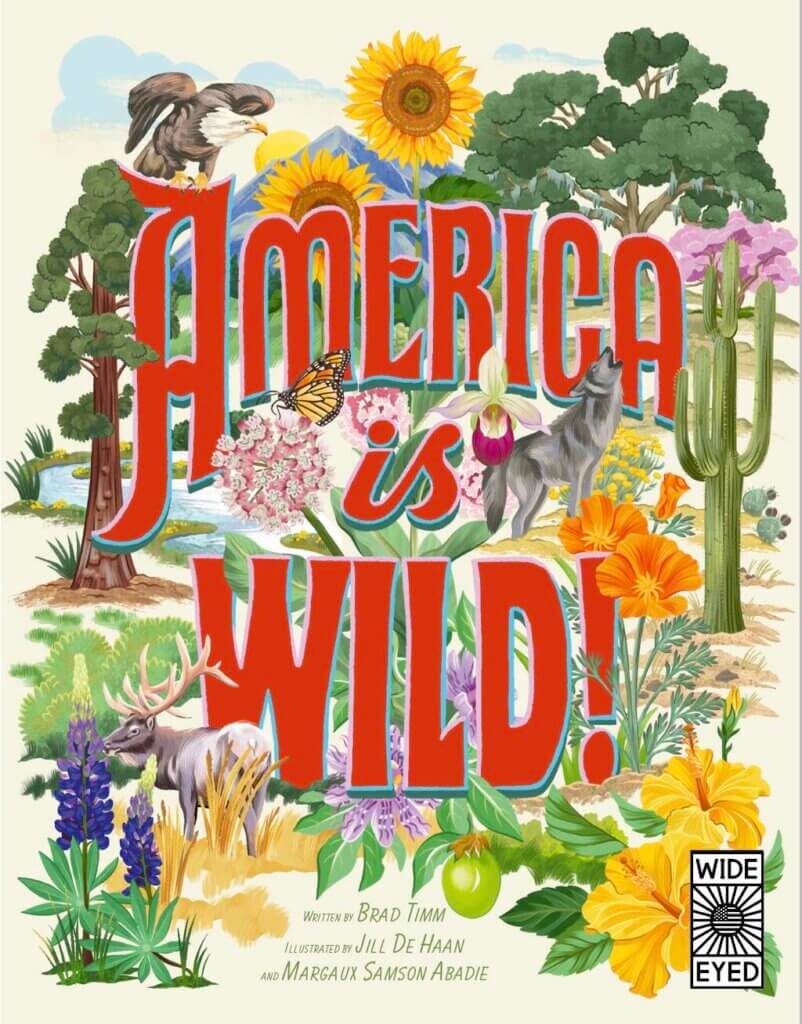
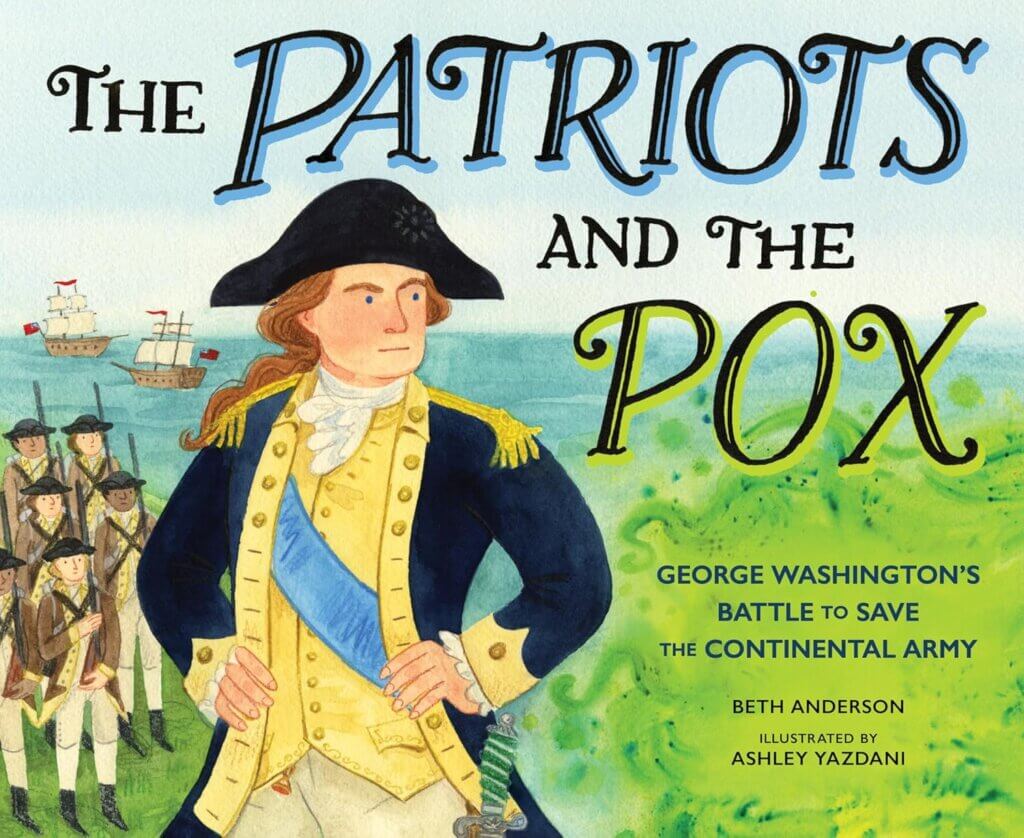
“America the Beautiful” and “America is Wild! A State-by-State Encyclopedia of American Wildlife” are both illustrated by Jill De Haan (Quarto/Wide Eyed Eds) with unique looks at the United States for elementary school-age children. “The Patriots and the Pox: George Washington’s Battle to Save the Continental Army” by Beth Anderson, illustrated by Ashley Yazdani (Astra/Calkins Creek) highlights the American effort to enforce vaccination in order to save both lives and the Revolutionary war effort. The stakes were high, but our leaders had the courage to trust in science, evidence, and one another.
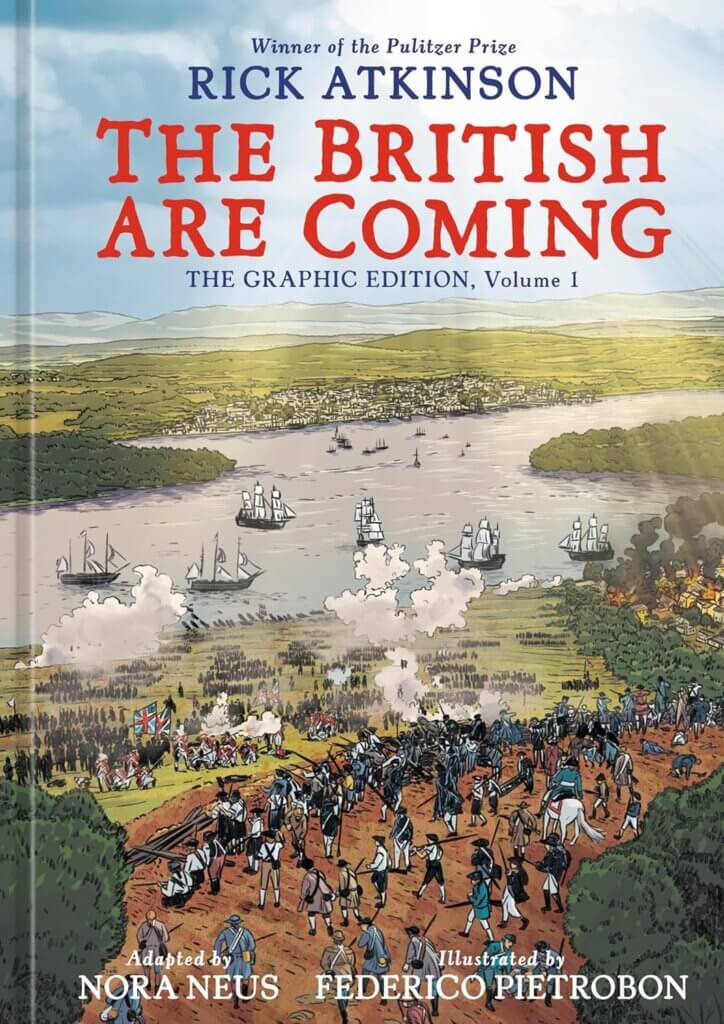
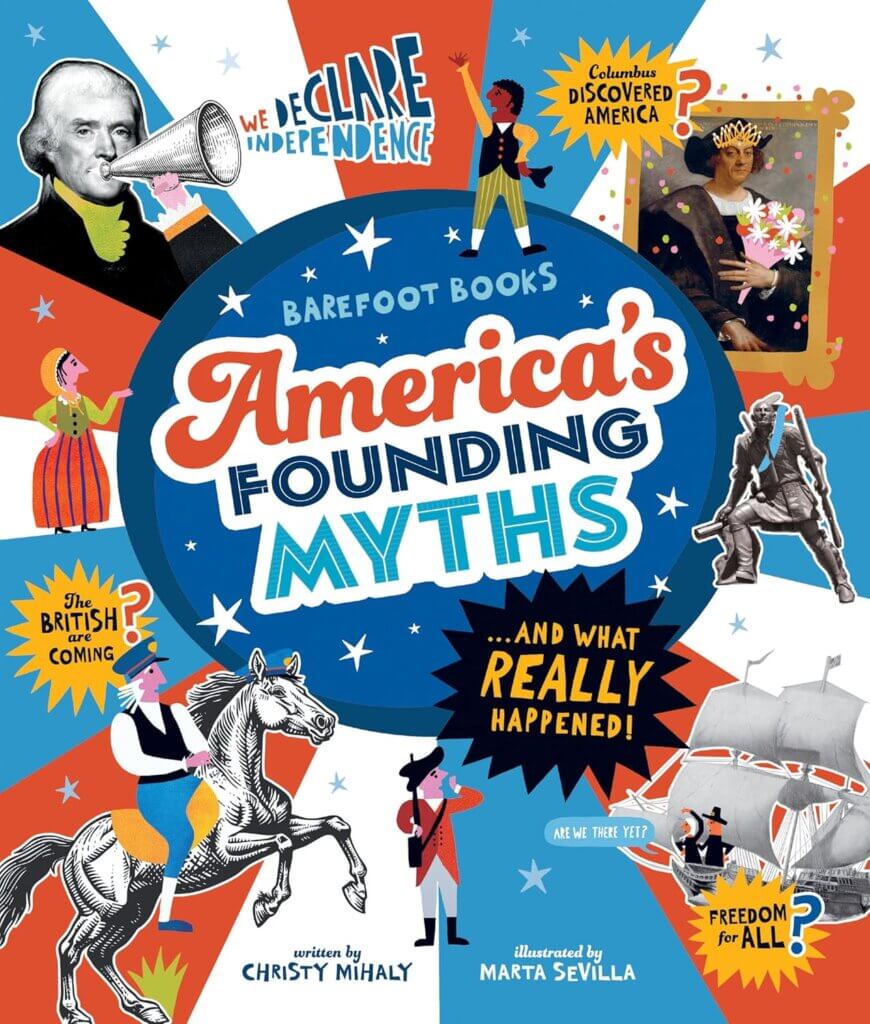
For older readers, “The British Are Coming: The Graphic Edition” by Rick Atkinson, illustrated by Federico Pietrobon (Ten Speed), makes Atkinson’s great book even more accessible to teens and children. There’s a long, proud tradition of history painting in the United States, and graphic novels are another chapter in that story. There’s a sequel to a classic Newbery Medal winner “My Brother Sam is Dead” titled “After My Brother Sam” by James Lincoln Collier (Scholastic), which continues the story of who Sam left behind when he went off to war. And don’t miss “America’s Founding Myths … and What Really Happened” by Christy Mihaly (Barefoot) with a focus on information literacy. Why do we accept some history as virtually mythic without questioning as to why so many have been left out of our history? A great read for all ages.
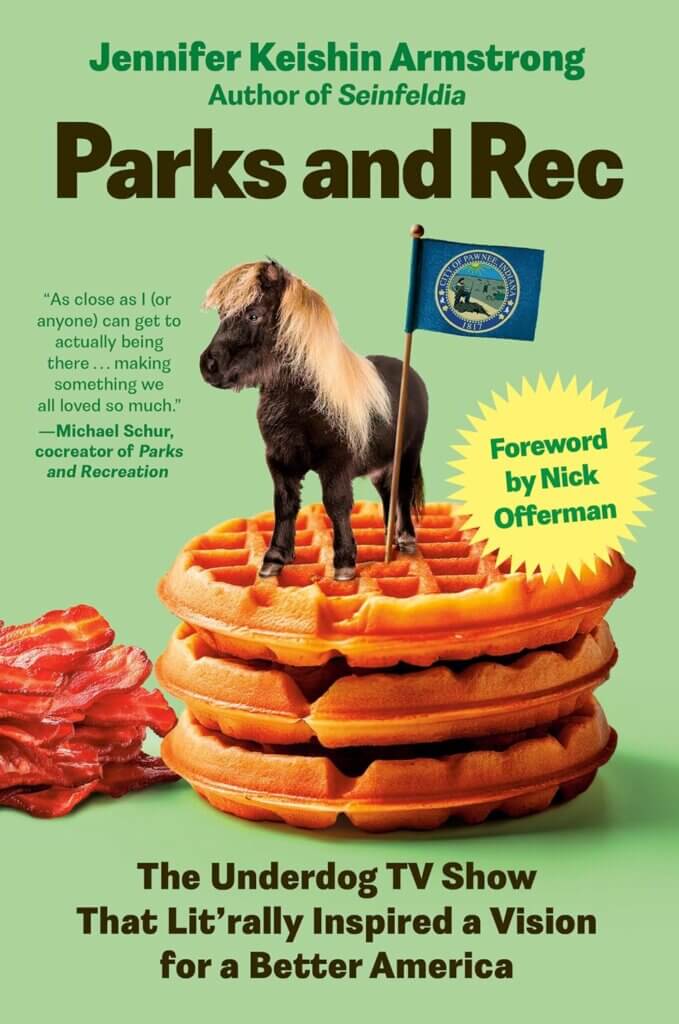
If you’re tired of confronting the mistakes of the past in an effort to build a better future, why not indulge in watching “Parks and Recreation” (PrimeVideo), one of the best shows ever made about wanting to make your country — or county, Pawnee — a better place? Then read “Parks and Rec: The Underdog TV Show That Lit’rally Inspired a Vision for a Better America” by Jennifer Keishin (Dutton).
You can make a treat from “The All-American Dessert Book” by Nancy Baggett (Houghton Mifflin), with regional star recipes, blueberry buckles, peach cobblers, brownies, fudge, and even our own Acton grape. Feast your eyes on “Comfort & Glory: Two Centuries of American Quilts from the Briscoe Center” by Katherine Jean Adams (University of Texas) with some of the most splendid works of American art.
Who doesn’t love finding out about history through the objects that touched lives? “A History of the United States in 100 Objects” on Apple Podcasts, hosted by Roman Mars and produced by the BBC and 99% Invisible, starts with a bang as historian Jill Lepore tells us about Gerald Ford opening a treasure chest from the Chicago World’s Fair — with mixed results. Each episode is short, and none of the objects is predictable. If you want to be inspired by current history, watch Heather Cox Richardson’s “WeAreAmerica250” on YouTube, where Americans share their notable accomplishments and their dreams for our country.
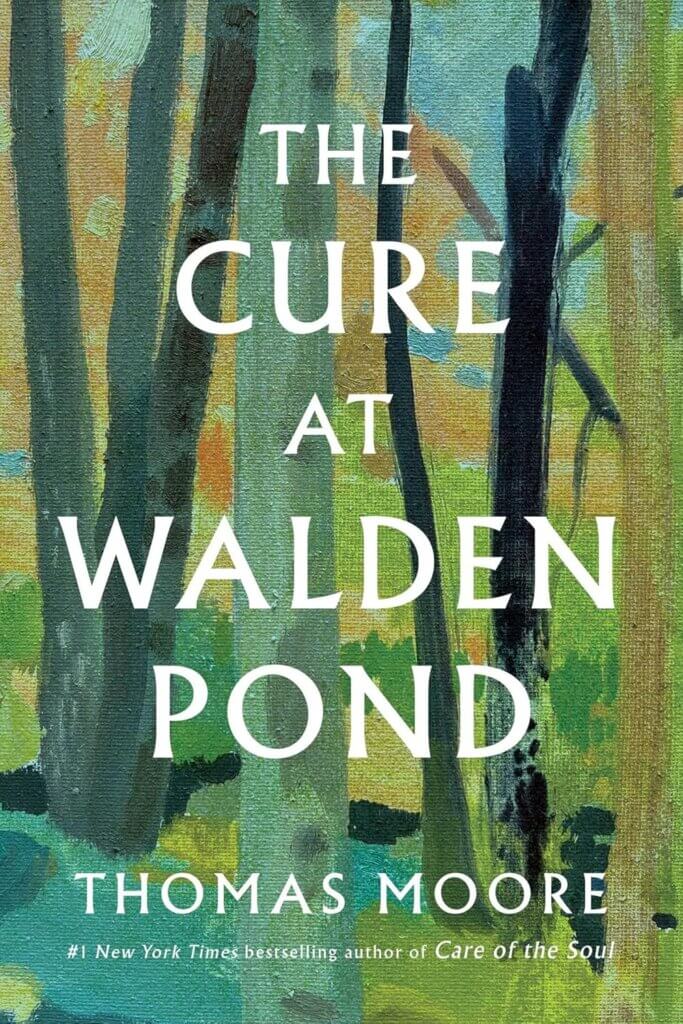
Finally, get a copy of “The Cure at Walden Pond: A Guide to Recovering Our Humanity” by Thomas Moore (Pegasus) and visit the shore of one of the nation’s most beloved symbols of something transcendent in our culture. But perhaps not on July Fourth, when it will be very, very busy. Rejoice that for us in Acton, it’s available year-round.
Views expressed are solely the author’s.