Reviews & Views: Sowing seeds of vibrant reads
After a winter like the one we’ve just had, spring is the perfect time to celebrate the sheer joy of being outside. Invite someone to enjoy it with you, and why not share a book if the person seems a kindred spirit?
I like that April features both Earth Day and National Poetry Month. Some of the nicest children’s books of the year get published at this time. They’re delightful books for reading aloud, often with gorgeous illustrations and the bonus of a chance to experience inspired writing.
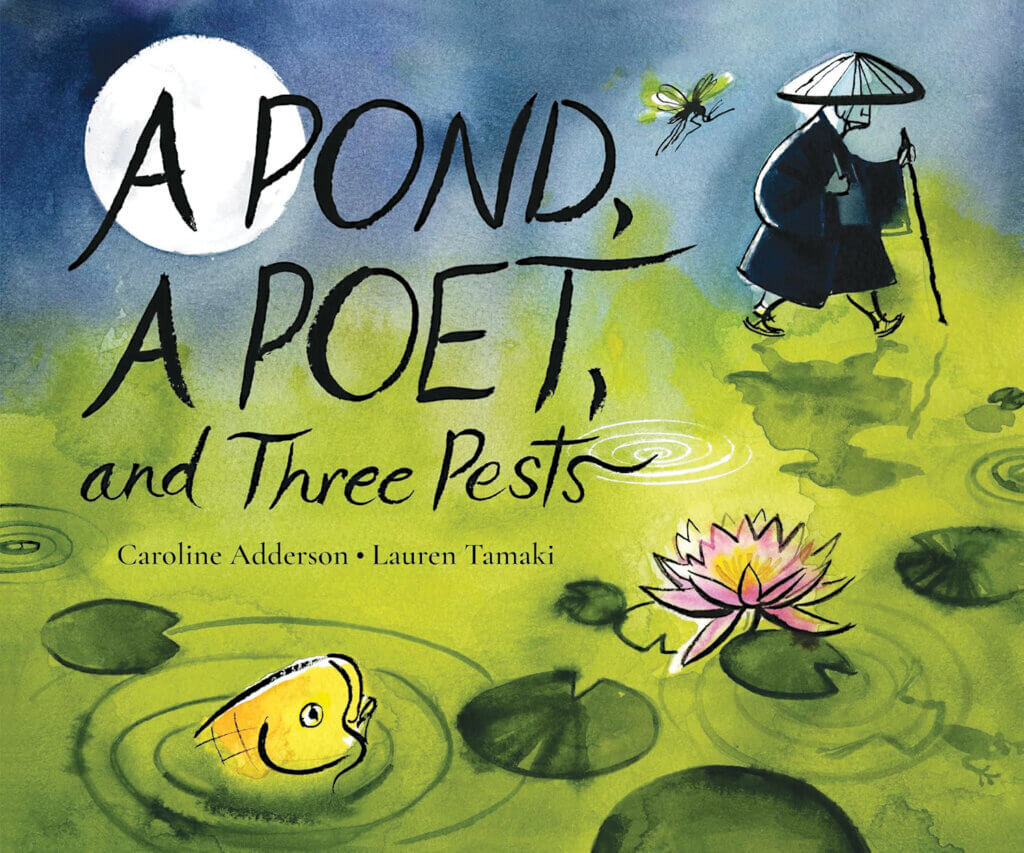
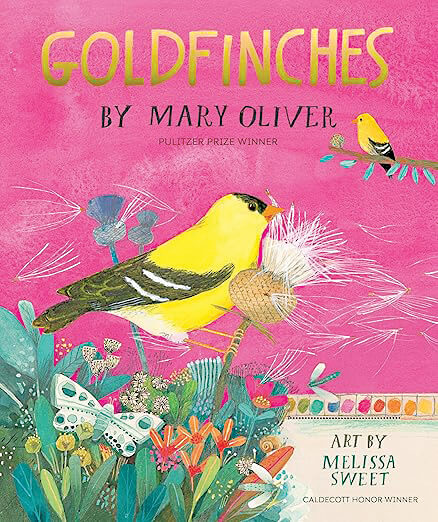
“Goldfinches” by Mary Oliver, illus. by Melissa Sweet (Viking), is a lovely picture book about a favorite small bird by one of our favorite poets, with Sweet’s illustrations training our eye on the beauty around us. “A Pond, a Poet, and Three Pests” by Caroline Adderson, illus. by Lauren Tamaki (Groundwood), is a beautifully illustrated tale of creativity and personality stimulated by nature. “The Wildest Thing” by Emily Winfield Martin (Random) is a plea for recognition of the benefits that nature-based play can have on a child’s psyche by showing the fun to be had outside.
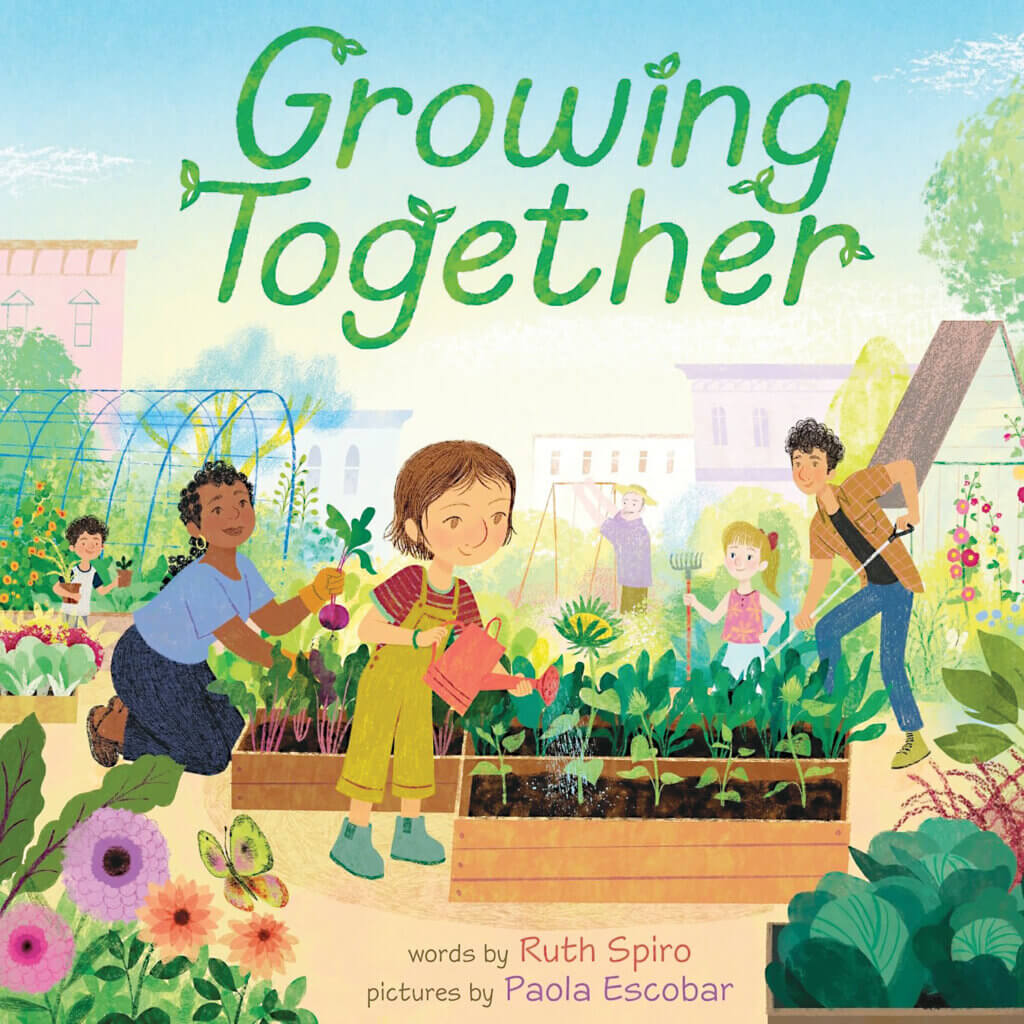
“Growing Together” by Ruth Spiro, illus. by Paola Escobar (HarperCollins) (ages 4-8), portrays life in a community garden. It is a great rhyming book about all the work that goes into the project, culminating in a communal meal cooked from a harvest. (To that point, if you don’t have access to a gardening space, look to get on the waiting list for a plot at one of Acton’s community gardens, which offer so much pleasure to our citizens.
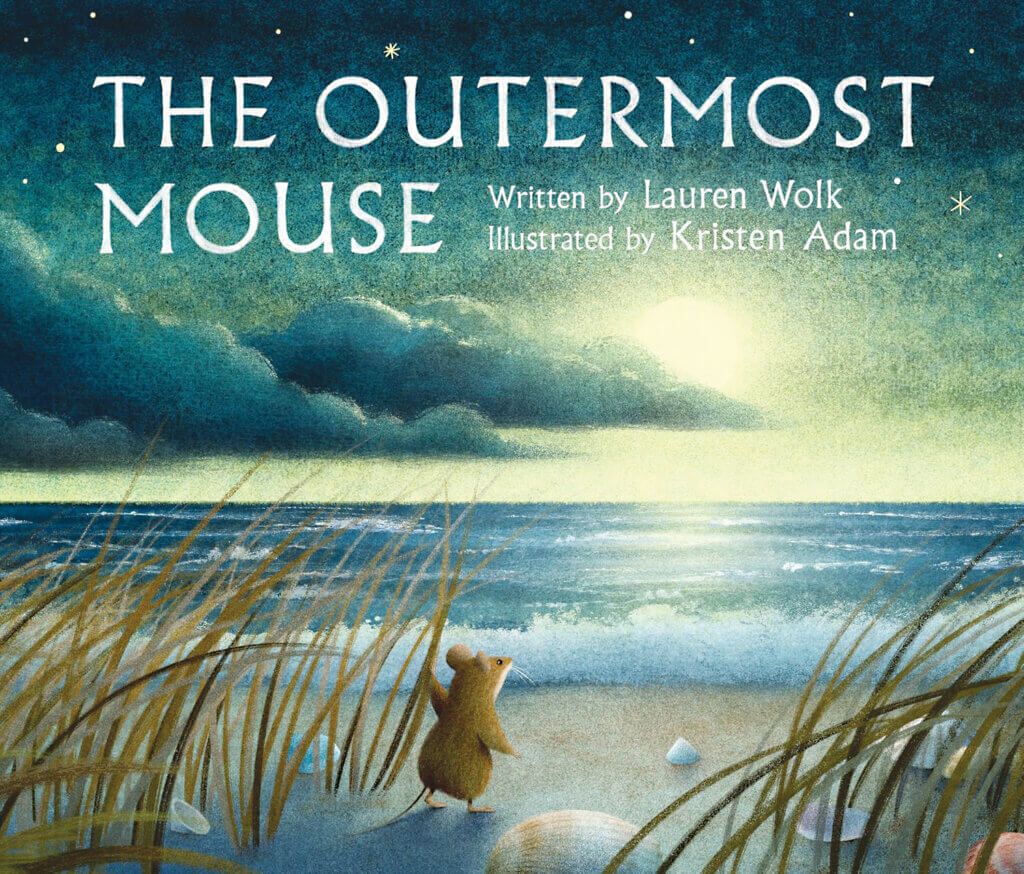
“The Outermost Mouse” by Lauren Wolk, illus. by Kristen Adam (Dutton) (ages 3-6), left a lump in my throat. It’s the story of a brave mouse trying to preserve her house on Cape Cod as she faces a threatening storm. Wolk’s lovely words create a unique sense of time and place as our protagonist recognizes she and nature must coexist. “The Whale’s Tale and the Otter’s Side of the Story” by Kate Messner, illus. by Brian Biggs (Clarion), is a playful book that offers differing points of view, asking a young reader to think about how powerfully language can alter our perceptions.
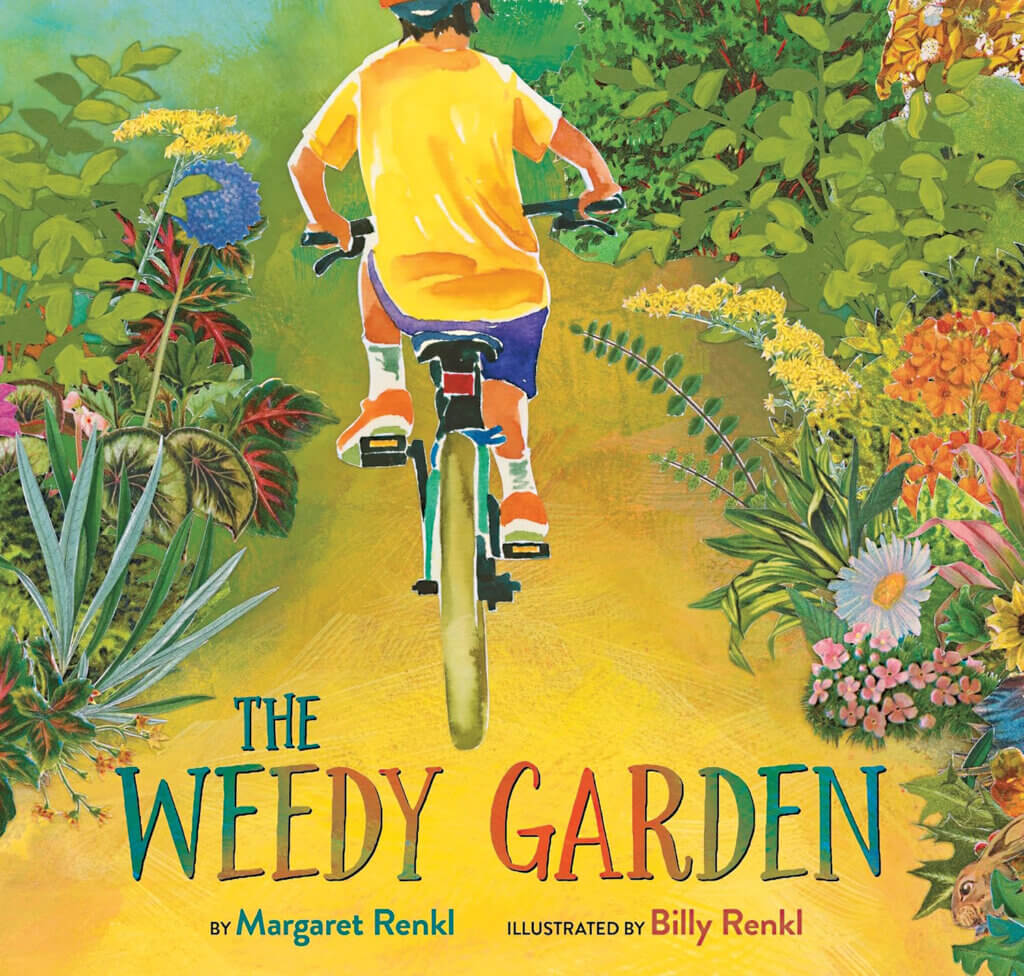
The most irresistible title of my year so far is “Poo Pile on the Prairie” by Amy Hevron (Tiny Habitats) (ages 3 and up), part of a terrific series on habitats and the critters who inhabit them. Also try “The Weedy Garden: A Happy Habitat for Wild Friends” by Margaret Renkl, illus. by Billy Renkl (Greenwillow) (ages 4-8). The wonderful New York Times columnist and author Renkl has a winner with this picture book showing how many creatures can create their own kind of community if a habitat is left alone to support them. Remember, a so-called perfect lawn that needs to be cut, watered, and sprayed constantly offers very little back to the environment.
“Earth: The Science of Soil” (Wonder World No. 1) by Ben Lerwill, illus. by Xuan Le (Nosy Crow), is a great new reader series full of facts about life in “the world’s skin.” “When the Sun Goes Down: A Bedtime Book” by Greg Pizzoli (Knopf) is a rhythmic picture book perfect for helping kids drift off to sleep with your voice.
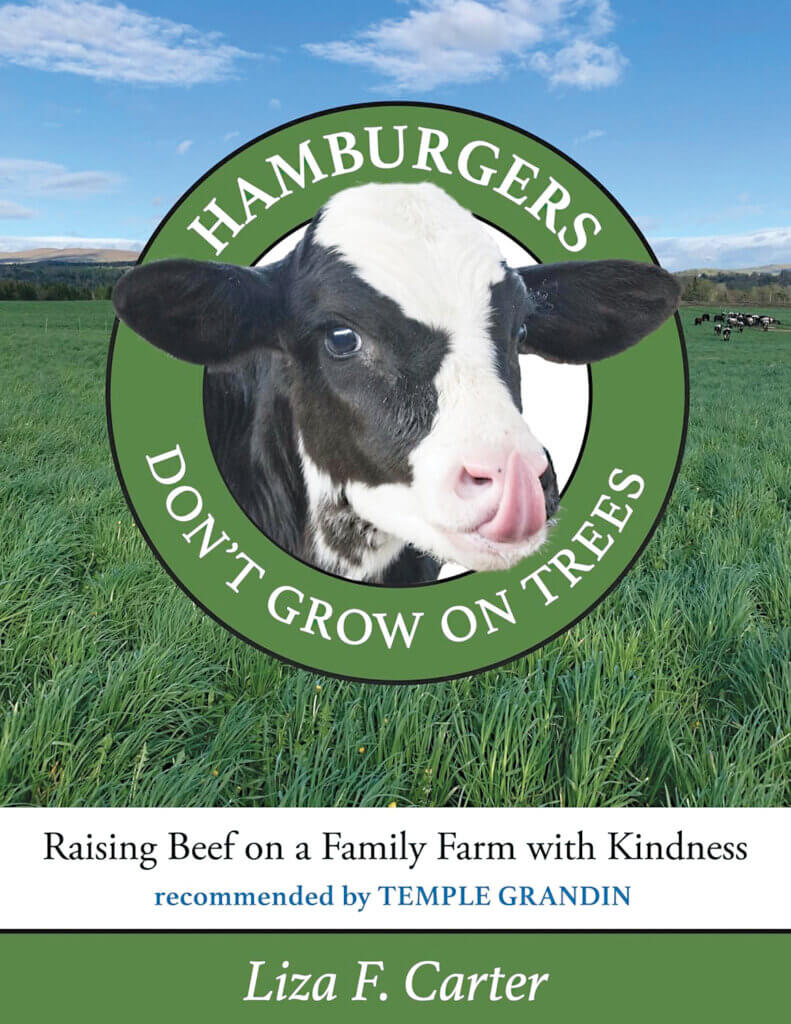
For older readers, local author Liza F. Carter has written “Hamburgers Don’t Grow on Trees: Raising Beef on a Family Farm with Kindness” (Saltwind Press), a book that takes on a difficult subject for those thinking about sustainability. This is the perfect book to have on hand when your child asks where their hamburger meat came from. I always think of Phoebe from “Friends” singing back to this question as “the lady who tells the truth.”
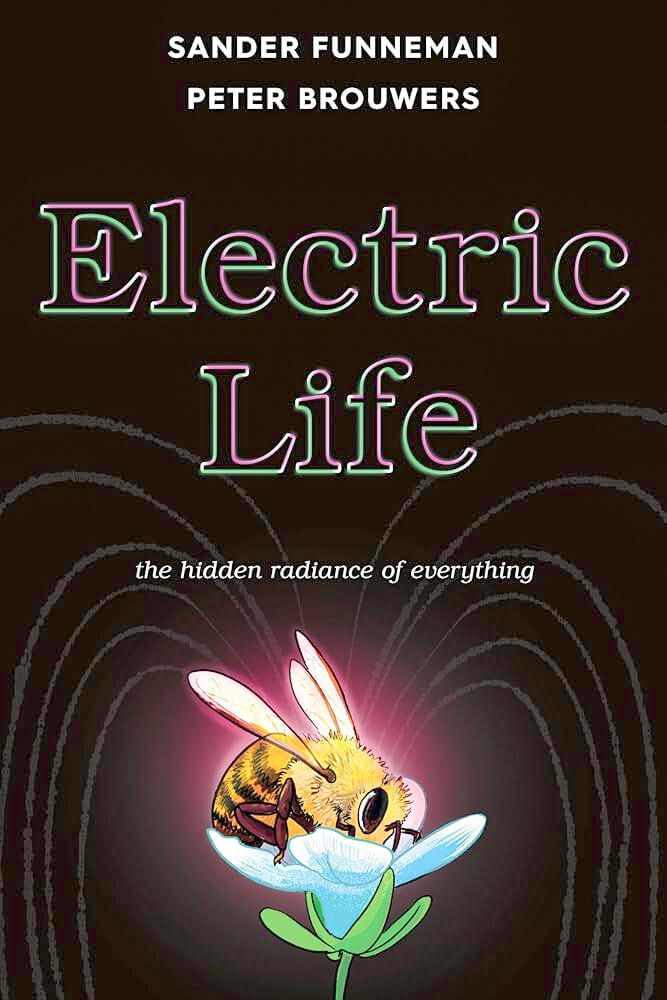
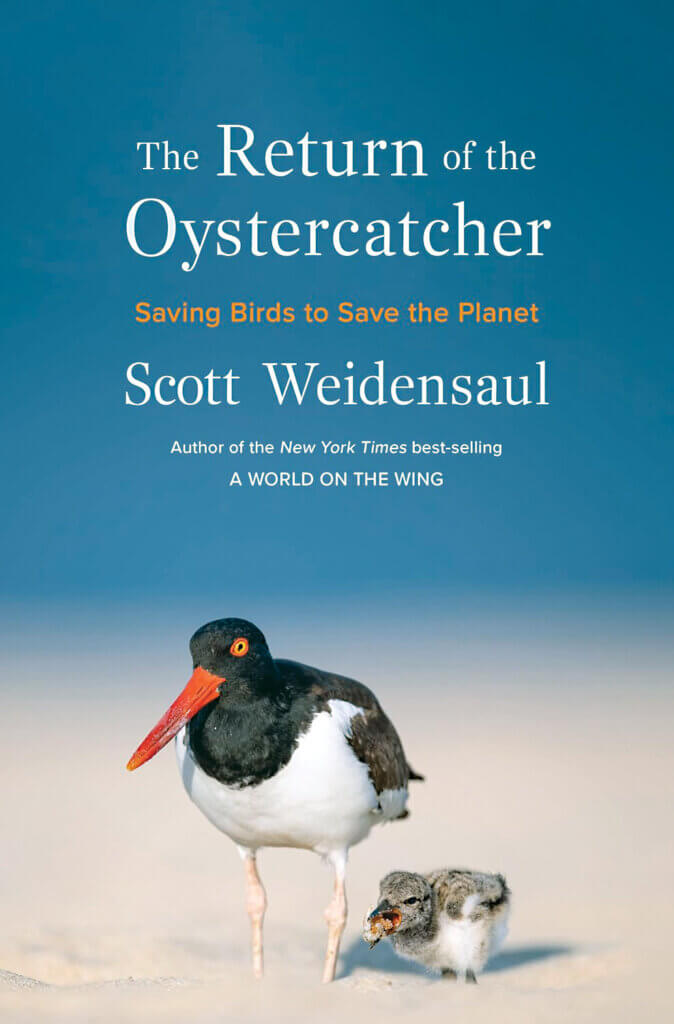
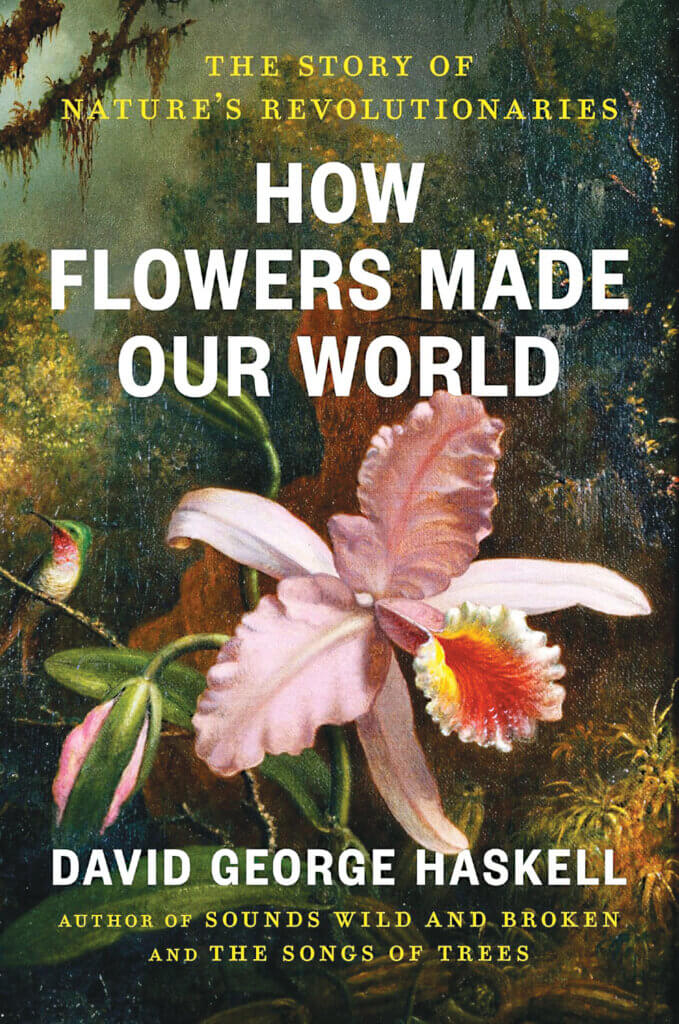
There are some equally inspiring books out there for adults and older teens that celebrate that synergy between nature and creativity. “Electric Life: The Hidden Radiance of Everything” by Sander Funneman, illus. by Peter Brouwers (23rd St.), is about everything you didn’t know about electromagnetism, which powers most everything you do. “Life on a Little-Known Planet: Dispatches From a Changing World” by Elizabeth Kolbert (Crown), with Kolbert’s peerless prose is a book that manages to reassure as well as being a wakeup call. “The Return of the Oystercatcher: Saving Birds to Save the Planet” by Scott Weidensaul (Norton) is another encouraging read. It promotes optimism about bird conservation in North America, despite the loss of one-third of its avian population since 1970. This shorebird’s revival is particularly encouraging in New England, thanks to ongoing efforts we should all support. “How Flowers Made Our World: The Story of Nature’s Revolutionaries” by David George Haskell (Viking) is gorgeous to look at, especially in spring, when welcoming each bloom echoes our shared resilience.
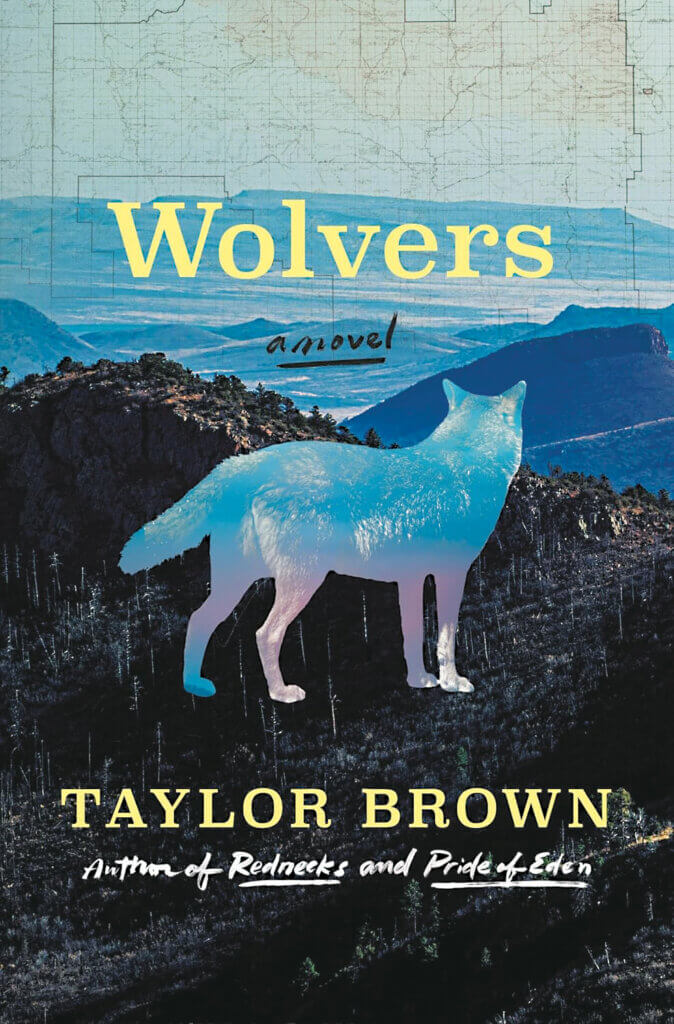
Just to remind us that nature is not always pretty, “Wolvers” by Taylor Brown (St. Martin’s Press) is an intense, violent eco-thriller set in New Mexico’s Gila Wilderness about wolves, the West, and the history they share. It has a formidable protagonist in One-Eleven, the alpha female leader of a wolf pack pursued by hunters determined to wipe out the wolves, and the unlikely allies who come to their aid. I listened to the excellent audiobook (narrated by Ramiz Monsef) on Hoopla from the Acton Free Public Library and was ensnared to the end.
A nice thing to do, weather permitting, would be to attend the closing celebration of OARS’ five-day celebration of our wonderful river system at South Bridge Boat House on Sunday, April 26. If you don’t feel like heading out on the water, try a hike through the Thoreau Farm wetlands on its Earth Day educational walk at 341 Virginia Road. The most important thing is to get outside and feel connected to our own habitat.
Opinions expressed are those of the author.