Time capsule: A look back at West Acton
In June 1979, West Acton was indeed a village where so many of our everyday needs were at our fingertips.
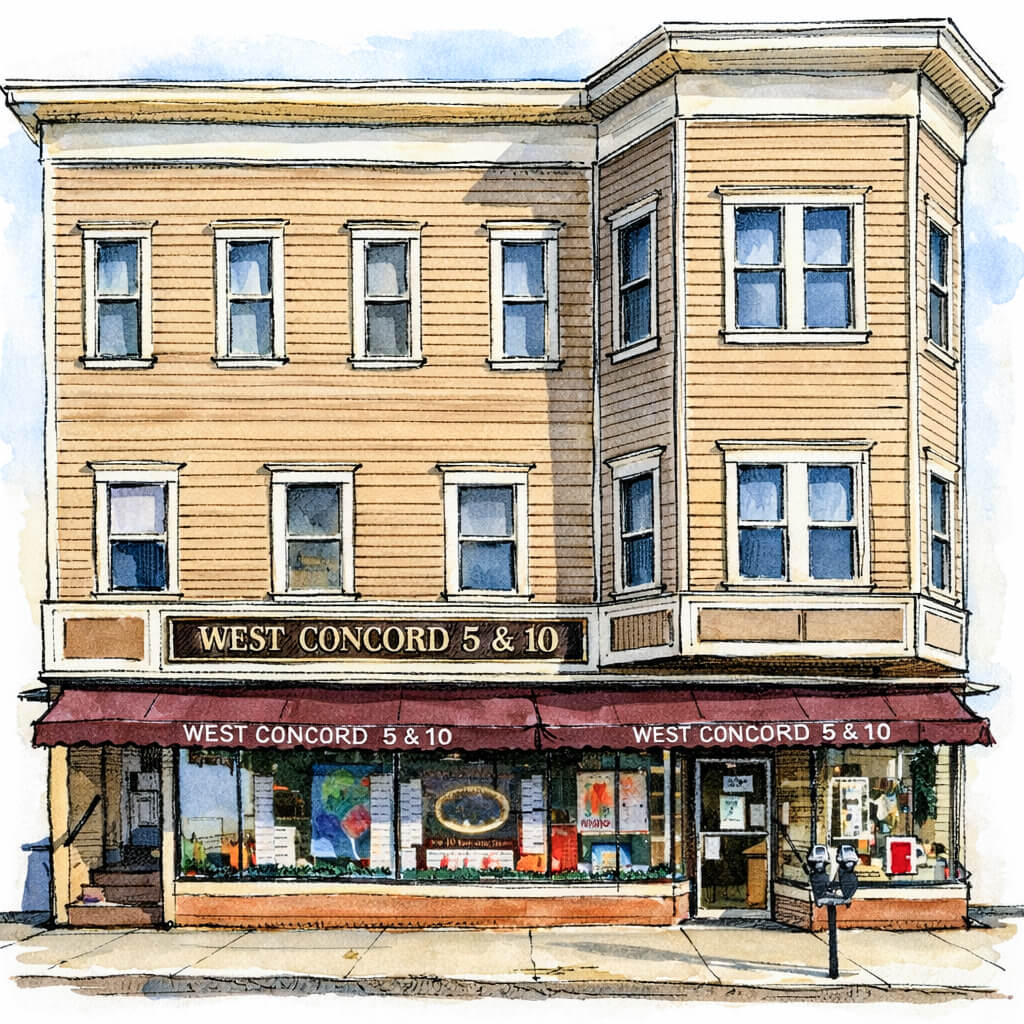
It was June 1, 1979. I had just moved into our new West Acton home with my 4-year-old daughter and a spouse about to open his first medical office in Lexington with Emerson Hospital.
It was hot; our only fan was somewhere in the stacks of moving boxes.
A mile away, the West Acton 5 & 10 (now Debra’s Next Door) had just closed for the day. It was raining, and my umbrella tapped on the window. Mrs. Forbes saw my distress, and she and her husband, John, opened the store and sold me the much-needed fan. They were a gracious couple who for years provided a treasure chest to fulfill almost every need.
Next to the 5 & 10 was Jones Upholstery. Mr. Jones was kind, friendly, and a true master of his craft. He custom-made two slate-gray, Naugahyde-padded covers for the wooden exam tables I’d designed for my husband’s medical office.
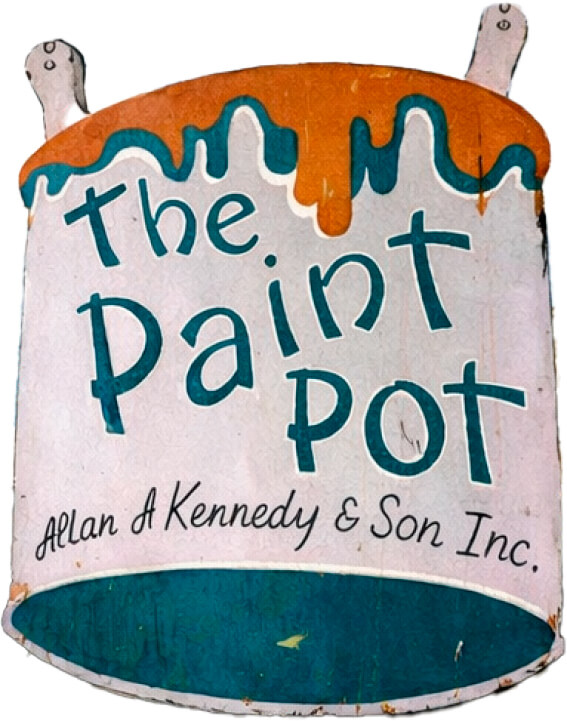
On the other side of the 5 & 10 was The Paint Pot. Within an hour, the owner and founder would mix and match any color you asked.
Down toward Beharrell Street, Golden Egg consignment shop sold men’s cashmere coats for $30.
The West Acton post office sat on one corner, opposite Hollis Holden’s machine shop, now home of the future Guitar Museum of New England. Behind that was the Minute-Man Printing Co. building (still printing today, with Tracy carrying on her dad’s business).
On the top floor of the Minute-Man building was the Potting Shed studio and shop. It had opened in 1977 and was known for its reproductions of Dedham Pottery. Across the street on Commonwealth Avenue, Hayes Shoe Store attracted customers for its excellent children’s shoes.
Scones and chitchat
Acton Teacakes was here, with its famous scones, which had been written up in the New York Times. The framed article was displayed on their bathroom wall for many years. A few doors down, Village Cleaners owner John Austin had warm and laughing conversations with his devoted customers.
From the cleaners, you’d follow Church Street to Main for Carter Furniture Co. (until recently the home of Minute Man Arc). I first met the delightful Bob Carter in the mid-1980s when I bought a Telescope garden chaise lounge.
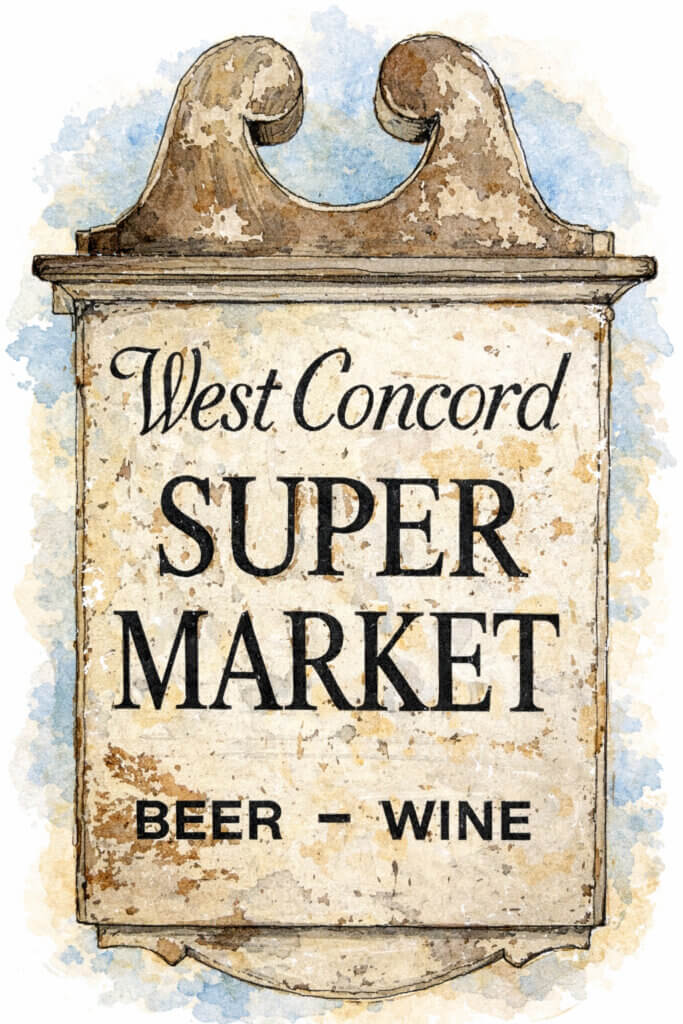
There was Mandrioli’s West Acton Supermarket (now Woods Hill Table), the 99 (now West Village Tavern) and Baybank, where Dunkin’ is today. The Village Donut Shop (the site today of Dino’s) offered homemade treats and hosted a lively breakfast and lunch packed with regulars.
When The Paint Pot closed, customers’ color formulas crossed the street to Phillips Hardware, where Dan Schmidt, with master paint mixer Shawn, expanded the paint department and produced any hue we sought. In 1989, I handed a pint of a special yellow paint, mixed for me at Phillips, to the MBTA directors as an interior color sample for the West Acton Depot. That color’s still on the walls today.
On the opposite corner of Bradford Street sat a black and white house with a large, green lawn. This was home to Tony’s tailor shop and, as I recall, a great used bookstore owned and run by Bonnie Bracker and Anne Wanzer.
A Chrysler dealership finished the block, with a sales lot across the street. When we needed a new car, they found what we wanted: a new, navy blue Chrysler for $6,000. (The following year, the lot was filled with navy blue Chryslers.)
Over at Baker Avenue, a full-service gas station occupied each corner. Montague’s Mobil (now TD Bank) was owned and operated by Dick Montague, one of the nicest, most easygoing men you could hope to meet — and he ran the neatest, cleanest garage I’ve ever seen. Dick’s son taught me how to pump my own gas, a new thing back then.
The other gas station was formerly Boston Harness Co., famous for supplying the Russian cavalry.
Floral enhancements
West Acton Pharmacy had recently replaced a barn that may have been part of Derby Farm. I’m told the barn once housed an auction business, The Yankee Trader, which offered penny candies to the children.
The new shopping strip had a much-needed laundromat (still there, fortunately). White Hen Pantry — now 7-Eleven — had its white hen, nest, and eggs logo above the entrance. Owner Roger Bush was a key financial supporter in the early 1980s to beautify West Acton. His backing greatly helped citizens’ efforts to add flowers and wooden tubs to the ugly concrete traffic island laden with rusting traffic signs.
For many years, West Acton resident Helen MacDonald gave her loving care to the flower tubs and their magnificent pansies. Roger would supply a whole coffee cart with drinks and goodies for the volunteers of the town-run spring cleanups.
Next to White Hen Pantry was a dirt strip, a favorite of young bikers to race on. It’s now Junction Park.
At the back corner of the dirt strip sat the building later reclaimed as The West Acton Depot, but then a Greek restaurant with delicious, authentic, and inexpensive food. The interior, though, had boarded-up windows and all but one door boarded up.
At that time, you’d never know it had been a train station opened in 1894 and once a local showpiece. Fortunately, thanks to West Acton citizen activism, it was added to the National Register of Historic Places in 1989.
It was indeed a village where so many of our everyday needs were at our fingertips. It was the end of an era that I was fortunate to experience and appreciate.
This opinion piece represents the views of the author.
Do you have personal recollections of an earlier era in modern Acton history? Let us know at [email protected] or reach our newsroom via concordbridge.org/contact.
March 9, 2026: This column has been updated to reflect the correct spelling of the names of Bonnie Bracker and Anne Wanzer.