Time Outdoors: Giving nature a helping hand
Humans sit mostly outside the web of life when it comes to wild animals. This unique position comes with immense responsibility.
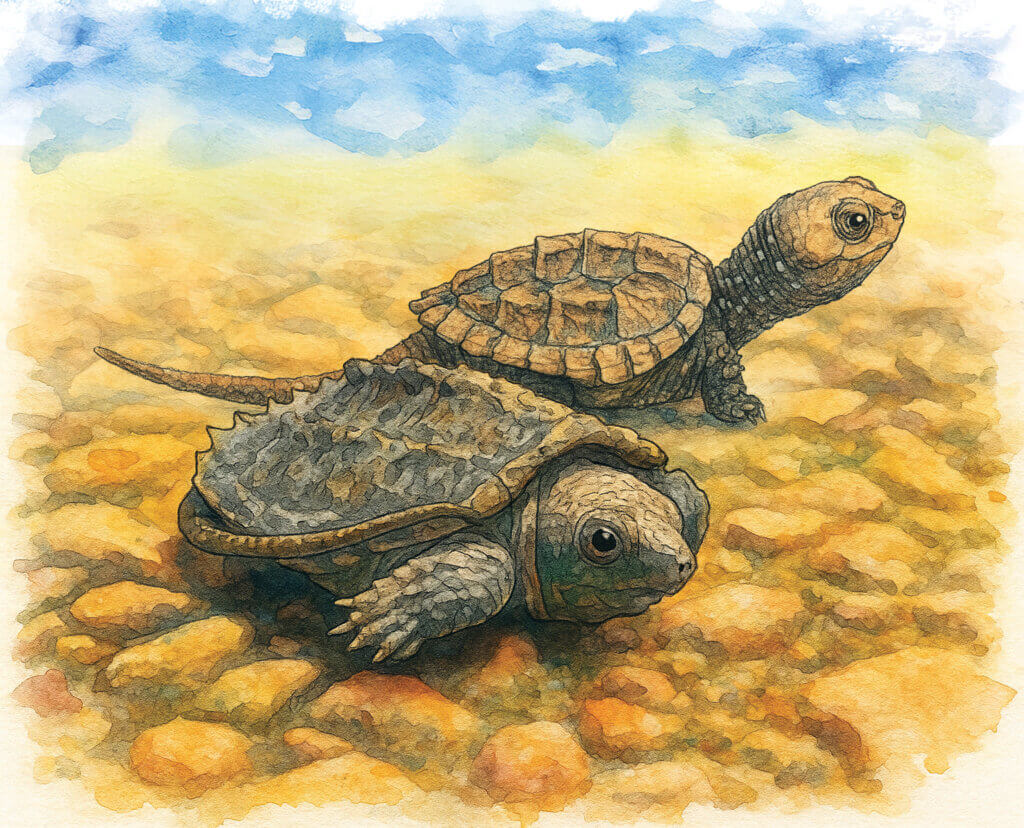
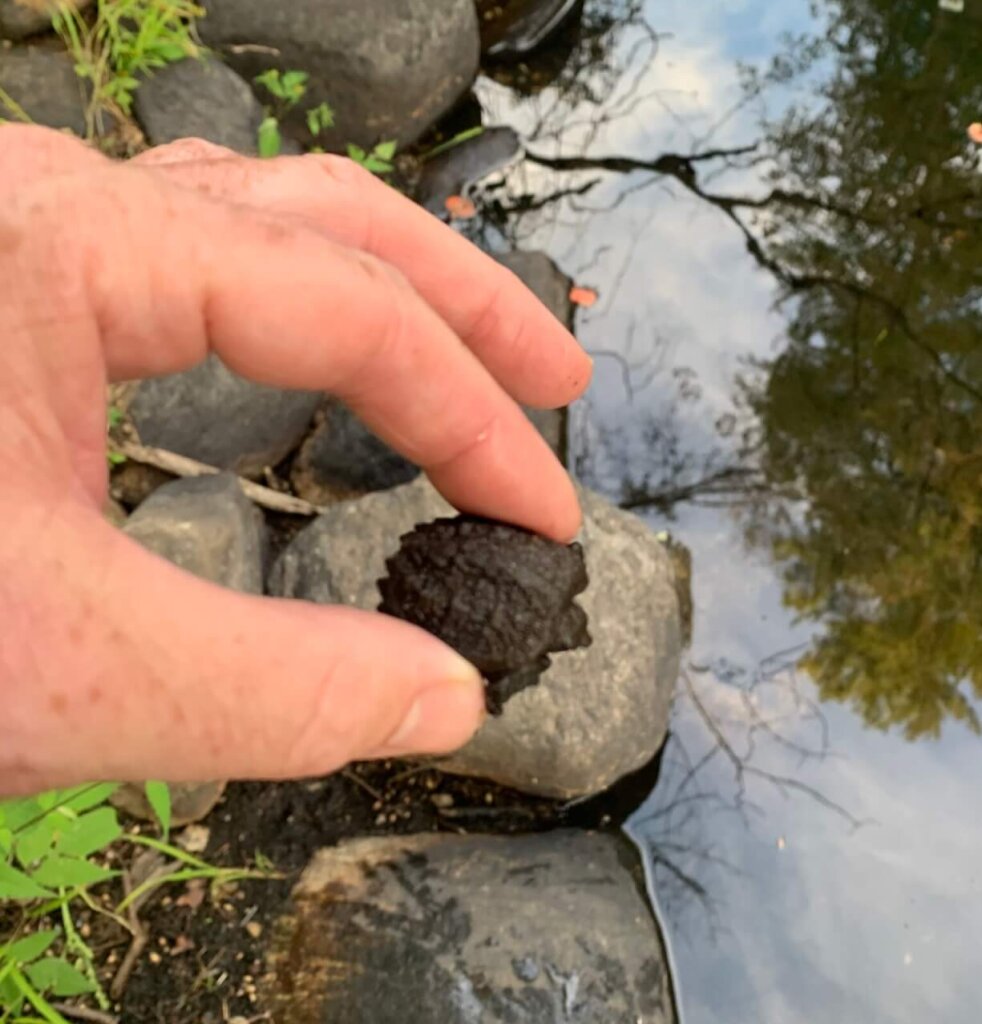
We were just off the Bruce Freeman bike path, exploring along Nashoba Brook, when my sharp-eyed 8-year-old daughter noticed something in the dusty trail. It was a tiny snapping turtle. I spotted a second hatchling, and we started talking about what to do. They were hot and dry and barely moving.
I explained to her that months before, their momma buried a clutch of leathery eggs in a shallow nest in the forest. Now, the tiny turtles were on their own, braving a perilous journey back to the safety of the water; most would not survive. She took this in and looked at me. Her quiet expression indicated she expected me to say nature is just cruel sometimes. I could tell she was weighing the wisdom of protesting, but I spoke up before she could. We would help them.
Our place in the order of things is unique — detached from much of the harsh cause and effect that defines the natural world. While humans certainly depend on Earth’s vital systems, we sit mostly outside the web of life when it comes to wild animals. This unique position comes with immense responsibility.
Looking back, our impact has been destructive on an almost unimaginable scale. The horrors of industrialized whaling. The slaughter of the great bison herds. Imagine the sky darkened for days as passenger pigeons flew over in flocks stretching for miles. Americans killed 5 billion of them in just 20 years. The Carolina parakeet, the heath hen, the great auk, the Eskimo curlew, and the passenger pigeon, to name a few. All gone forever.
Thankfully, times have changed and new perspectives and attitudes regarding ecological stewardship are leading to programs to pull species back from the brink. People see the benefits of conservation and are trying to help. Of preserving our remaining forests and wetlands just as they are, as wild habitat.
Here in Acton, a threatened species is benefiting from just such an intervention. Named for early naturalist William Blanding, Blanding’s turtles (Emydoidea blandingii) are a semi-aquatic carnivorous species 5 to 7 inches long. Their historic range stretches from Nebraska to Nova Scotia, but their numbers are falling rapidly due to development and the draining of wetlands. When these shy turtles set out overland in search of a new pond or swamp, vehicles take a terrible toll.
An elementary solution
But there is cause for optimism. An award-winning program run by Zoo New England uses the “head starting” of hatchlings to give them a 40 times better chance of survival upon release back into the wild. Because Acton elementary school fourth grade classes are tapped to care for the little turtles, the project exposes local students to the science and field work of conservation.
Since 2007, Zoo New England has head-started more than 1,400 hatchlings, including over 700 Blanding’s turtles from Great Meadows. Countless Acton teachers and students have helped make this happen.
In 2010, a female left the water in Great Meadows to make her nest in a flower bed, crossing roads along the way. Her nest produced 11 hatchlings, including a single female, later dubbed “Ivy.” All 11 were released back into the wild 15 years ago.
In a first for the nearly 20-year-old program, Ivy was spotted this past June making a nest of her own. Her eggs just hatched, and now seven grand-turtles of this conservation effort are being cared for.
Emilie Wilder leads the zoo program and recently wrote, “This moment is a powerful testament to what’s possible when passion, persistence, and partnership come together in service of conservation. … Every hatchling raised, every wetland protected, every data point recorded adds up over time. And sometimes, those small, steady efforts culminate in a moment like this — when a single turtle returns to the wild to lay her own eggs.”
Taking the plunge
Back along Nashoba Brook, we set the two baby snapping turtles at the sandy edge of a deep pool. It took us a few seconds to accomplish what would have taken them days, if they had survived at all. At first, I thought we were too late, as they were lethargic even at the water’s edge. My wise daughter suggested they could probably feel our presence and were scared.
She was right. From 10 feet away, we watched the tiny pair cautiously look around and then crawl into the shallow water together. Instantly energetic, they started nosing the bottom and stirring up silt, moving onto deeper water in opposite directions. We were thrilled, and it was all we talked about for hours afterward.
I explained to her that there were some moments when nature needs a hand. That day taught us both that if you have sharp eyes and know your species, these moments of intervention can make all the difference to creatures in trouble — and can be very rewarding.
My daughter will be in fourth grade at Thoreau next year and will help care for her own Blanding’s turtle hatchlings. Maybe she will tell her class about the tiny snappers and the head start we gave them. Maybe that experience will lead her to explore conservation as a career, and follow leaders like Emilie Wilder to help save special species who need our help.
Until next month, keep an eye out for turtles on the roads, do all you can to help preserve the wild places we have left, and spend as much Time Outdoors as you can. And happy autumn!
Wilson Kerr lives in Acton and is an avid outdoorsman and amateur naturalist. This monthly column is written to help grow awareness of the wonders of nature. In this increasingly fast-paced and technology-packed world, it is important to stop and take in the beauty of our area and the animals that inhabit it. The author hopes this column will be read by families and used as a teaching tool and that you will spend more … Time Outdoors.