Time Outdoors: Keeping their cool in the wild
Humans can beat the heat in any number of ways, but how do wild animals stay cool when a heat wave strikes?
These scorching summer days are tough. Official heat advisories instruct us to stay indoors and drink plenty of fluids. Air conditioner condensers hum incessantly, blowing out a super-heated blast and providing a cool refuge inside our homes. Power lines bring electricity from far-off power plants, and in-door ice makers fill our glasses with cubes at the push of a button.

We humans can beat the heat in any number of ways, harnessing the power of technical invention and commerce. A large iced cold brew with two creams is one of my favorite summer coolers.
My girls love to hop in the car and drive over to White Pond. Cooling off by plunging into the crystal-clear water each August is heavenly, as the humid dog days of summer roll in. And, of course, we can adjust what we wear, donning light synthetic sun shirts to shield us from the sun.
But how do local wild animals stay cool when a heat wave strikes? Somehow, these creatures have adapted to survive winter temperatures well below zero and can live through 100-plus-degree summer heat waves. Incredible.
A cooler coat
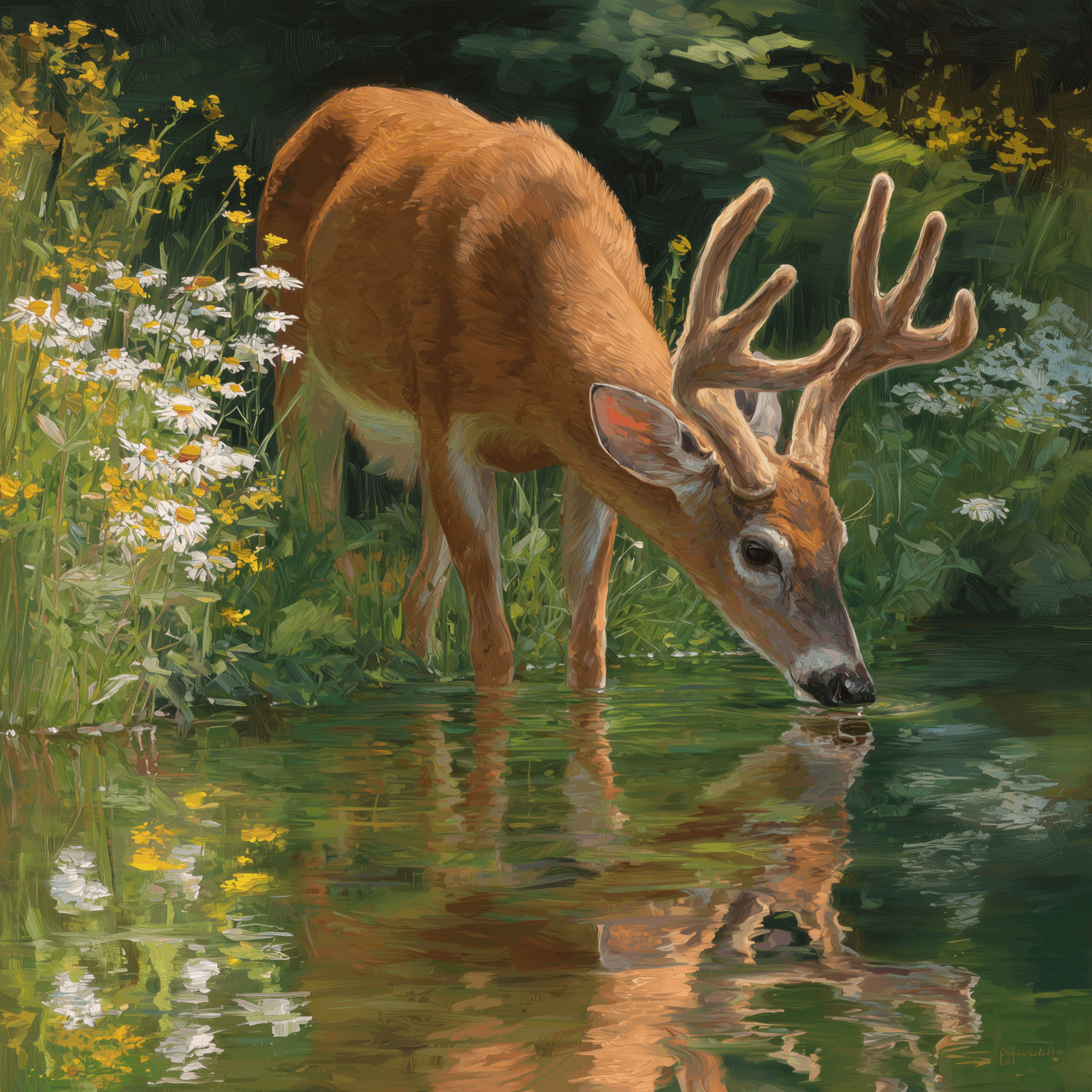
Most mammals have two different coats of fur that are shed and regrown seasonally. In winter, for example, whitetail deer have a thicker two-layer winter hide. In summer, their thinner, lighter single layer of hair helps keep them cooler. The color of their summer coat is also usually a lighter tan or reddish brown, which reflects more solar radiation and heat, rather than absorbing them.
Local furbearers like fishers, coyotes, black bear, foxes, and raccoons, also “blow” (shed) their winter fur in the spring and, like deer, regrow a thinner summer pelt that traps far less heat. If you own a dog, you will notice you do a lot more sweeping up in the spring, as they also follow this pattern of shedding when the warmer weather arrives to prepare for the heat of summer.
Another way animals offset high temperatures is by using their large ears to “thermoregulate” their bodies. With blood vessels close to the skin, their ears act like radiators, dissipating heat. Have you ever noticed how red and warm your dog’s ears get in the summer? This is thermoregulation. Elephants flap their giant ears for just this purpose.
Unlike humans, most animals cannot cool down by sweating. Instead, they “pant” to ward off overheating — rapidly drawing in air again and again over their wet mouths and throats. This speeds up evaporation, which lowers the temperature of blood moving through these areas. This is called “evaporative cooling.” Ever notice how chilled you get when wearing a wet cotton shirt, even on a sunny day? You are experiencing the same effect animals tap into by panting.
Birds use an avian version of panting called “gular fluttering” to lower their body temperatures. They create evaporative cooling in the moist parts of their throats by vibrating a membrane and bones. Great blue herons often use gular fluttering, and, on a hot day, it can be easy to spot.
Turkey vultures employ a unique (and somewhat disgusting) thermoregulatory technique called “urohidrosis” to stay cool. As the term implies, they actually pee on their own legs and feet. As the liquid dries, evaporative cooling lowers the temperature of the blood in these extremities.
Honeybees harness the power of evaporative cooling too, gathering water droplets on very hot days and spreading them on the honeycomb. By fanning their wings on the wet parts of the hive, they can cool it down. Amazing.
Chilling out
Some methods of beating the heat are more obvious. On very hot days, wild animals tend to slow down and become less active, retreating to the deep, shady parts of the forest. This is why the chances of spotting deer or other critters greatly increases at dusk or in the early morning, as they take advantage of the cooler low-sun hours.
Fish are not immune to heat waves, and they tend to head to deeper, cooler water when the thermometer spikes. This can make it harder for ospreys and kingfishers to catch a meal. Many slow down their metabolism to conserve energy when it gets very hot, and they tend to congregate in areas where cooler, more-oxygenated water flows in.
Though we have air conditioning and other human-invented ways to beat the heat, wild animals have only naturally adapted methods of staying cool. By shedding and growing thinner summer coats, harnessing the power of evaporative cooling, heading for deeper water, and reducing daytime activity, they have adapted to withstand brutally high temperatures, even with their fur and feathers.
So next time you turn down your home thermostat or order a large iced coffee, think about the wild creatures in the woods and pause to consider how tough and adaptive they have to be to make it through these sweltering August days.
Stay cool while you enjoy Time Outdoors. Maybe I’ll see you at White Pond.
Wilson Kerr lives in Acton and is an avid outdoorsman and amateur naturalist. This monthly column is written to help grow awareness of the wonders of nature. In this increasingly fast-paced and technology-packed world, it is important to stop and take in the beauty of our area and the animals that inhabit it. The author hopes this column will be read by families and used as a teaching tool and that you will spend more … Time Outdoors.