Town Meeting: The modern evolution of a Revolution-era process
Whatever the future brings, I fervently hope that Acton Town Meeting retains its soul and spirit.
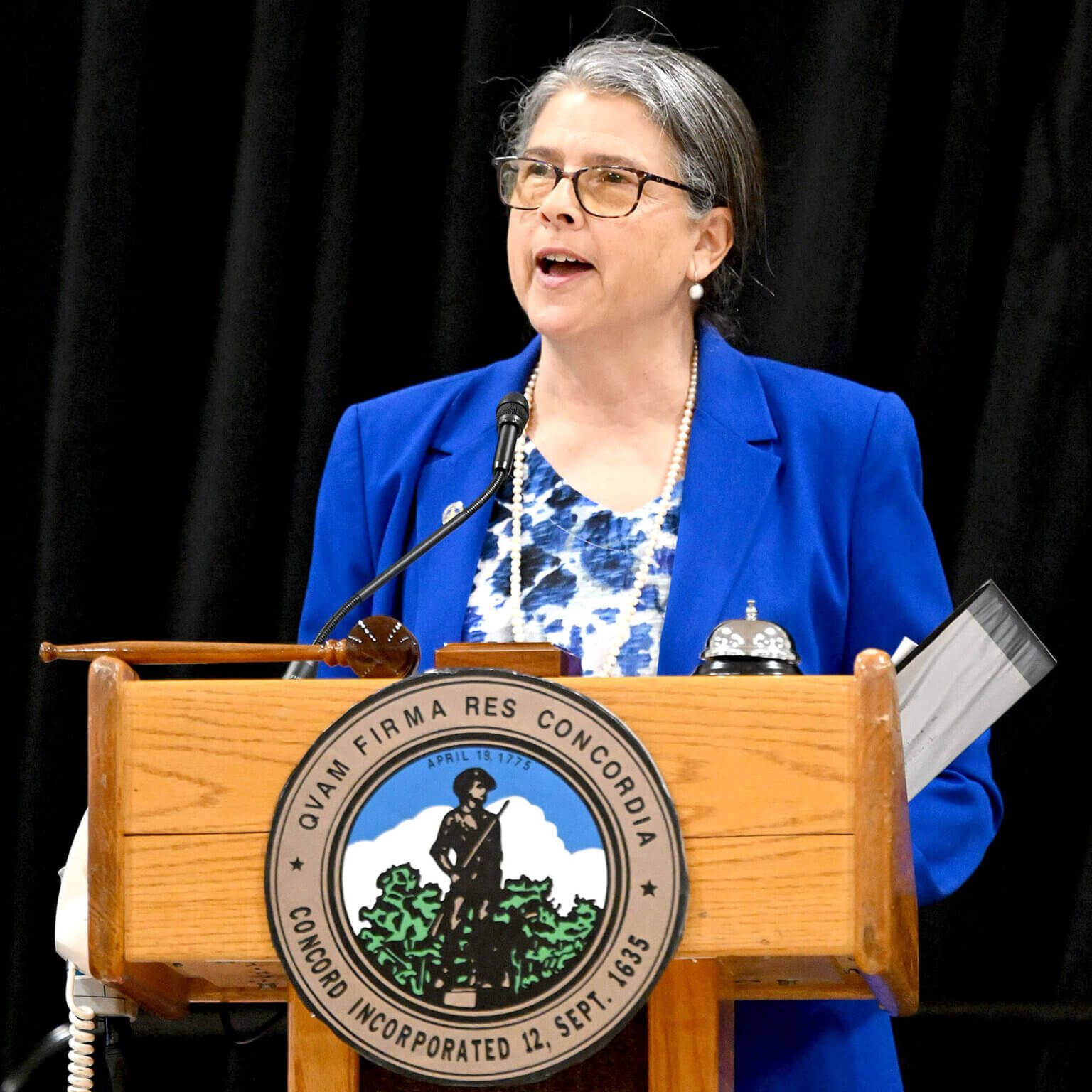
The year I first spoke at Acton Town Meeting was also the year my high-school-age son and his best friend volunteered as Town Meeting tellers. I don’t know whether I was more impressed by the respectful attention that my point of view received from my fellow citizens or the embrace of civic duty demonstrated by my son and his friend.
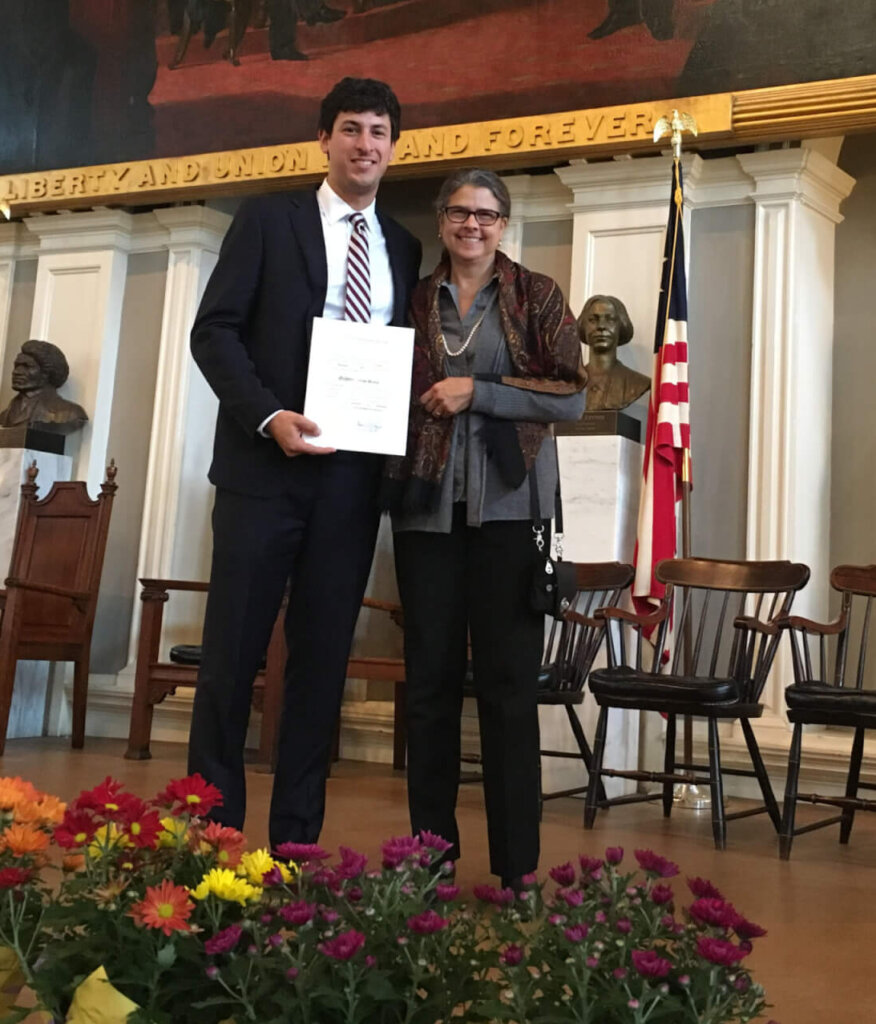
Some years later, my son, then a college graduate, gave a speech seconding my nomination for office at the Town Caucus. His elementary school principal, who happened to be there, remarked on the growth of his former pupil into a full-fledged citizen and savored the moment with me.
Running for town moderator 10 years ago, I knew that, if elected, I would be the first woman to hold the office in Acton history. I did not accord significant weight to that distinction — surely it was inevitable that a woman would serve in this role. But when I first presided over a Town Meeting in autumn 2016, I found it weighty indeed. At the Meeting’s conclusion, with my adult daughter standing by my side, a gathering of women approached to tell me how meaningful it had been to address “Madame Moderator” for the first time.
The evolution of Town Meeting clearly was still underway.
Meaningful moments
As moderator, I’ve thought of Town Meeting as a garden to be tended: water, not too much; fertilizer, not too much; regular weeding; pest control. When Town Meeting has brought forth fruit, it has brought me joy.
Many Town Meeting moments stand out in my memory. There was the gentleman wearing a hard hat with an illuminated headlamp who addressed Town Meeting on street light elimination. There were the high school students who presented a petition article. There was the woman who told meeting attendees she hadn’t decided how to vote previously but, having listened to the deliberation, had made a decision. There was the young man in a wheelchair who spoke eloquently on what accessible restrooms would mean to him. And there was the elementary school student who, with advance permission granted to one too young to vote, explained why she favored honoring Ellen Garrison in the name given Acton’s new middle school.
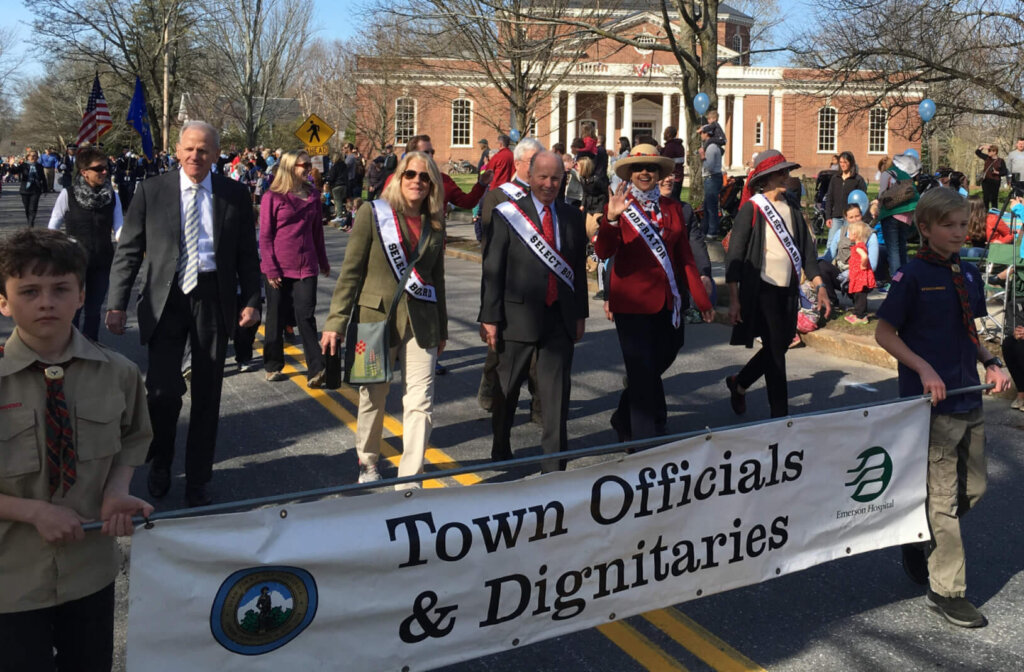
A village square
Town Meeting today carries forward the legacy of Acton’s Revolution-era Meetings. It is not only a body that appropriates funds and adopts bylaws. It is a forum for citizens to voice sentiments to elected officials. It is a laboratory where our young people can learn how to participate in democracy and exercise civic responsibility. It is a village square gathering and a tangible manifestation of community.
Yet Town Meeting is under pressure in Acton. Is it a form of government that “scales up” to the size of our town today? Is the small percentage of participating voters a fair representation of the community? With the remote participation options available to us today, why is physical attendance required to vote? Why can’t we participate remotely from the comfort of our homes, speak if we wish, and vote from there?
Whatever the future brings, I fervently hope that Acton Town Meeting retains its soul and spirit. Town Meeting is a legacy, a rare gem, and, in my view, superior to the alternative models for governance. I am grateful to the Acton voters who elected me as their moderator for the past 10 years, to the former moderators who mentored me, and to my moderator colleagues across Massachusetts. It has been a pleasure and an honor.
I’ll be stepping down from the podium, but you’ll still be seeing me at Town Meeting.
Views expressed are solely the opinion of the author.